The berry season in Alaska has shortened over twenty-seven years
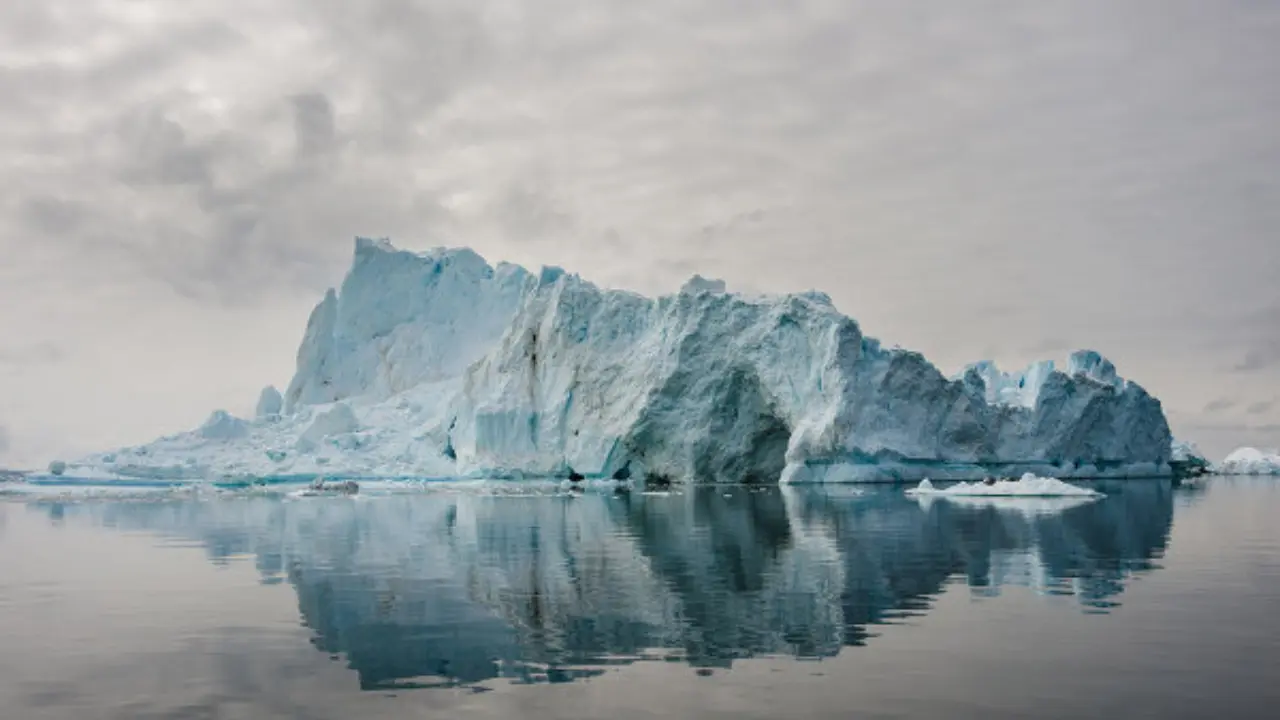
Climate changes observed along the northern coasts of Alaska have led to a significant shortening of the ice season over the past twenty-seven years. Zamin.uz reports this.
In-depth research conducted by scientists at the University of Alaska in Fairbanks has been noted in the Oceans section of the Journal of Geophysical Research. These scientific data clearly illustrate how the process of global warming is affecting nature.
According to the obtained data, the ice season in the Chukchi Sea has shortened by seventy-seven days, while in the Beaufort Sea this figure amounts to thirty-nine days. Currently, ice forms later in autumn and melts much earlier than usual in spring.
This process is directly affecting the stability of coastal fast ice. Fast ice refers to a solid layer of ice firmly attached to the shore, capable of withstanding wind or water currents.
For Alaska's local population, fast ice is of vital importance as it provides routes for hunting and fishing. Additionally, this ice layer serves as seasonal roads used in the oil and gas industry and protects the coastline from being washed away by large waves.
The shortening of the ice season is weakening the coasts and creating unpredictable hazardous conditions for hunters. Particularly concerning is the situation in the Beaufort Sea, which has historically been stable up to its edges.
Currently, the ice there does not extend as far from the shore as it used to. Researchers link this situation with the general melting of sea ice in the Arctic region.
Softer ice forms fewer solid systems that serve as anchors for the fast ice on the seabed. As a result, coastlines are left unprotected, and even greater ecological changes may occur in the future.