


JSST warned that one of the Besh Kishidan could be on the move
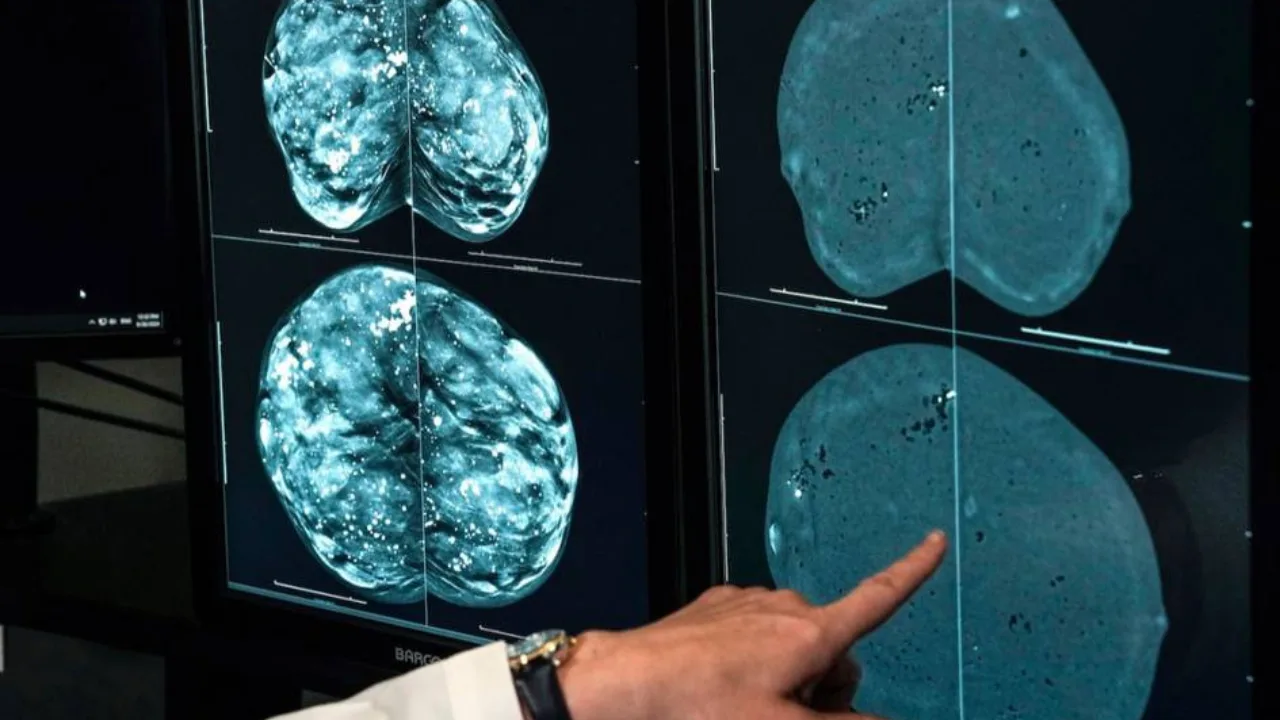
The World Health Organization has released a new report on the spread of cancer and efforts to combat it, drawing widespread public attention, Zamin.uz reports.
According to the document, despite major achievements in modern medicine and the implementation of innovative treatment methods, this disease remains one of the most serious threats to human health. After analyzing global health conditions, specialists warn that one in five people may develop cancer during their lifetime.
Furthermore, the vast majority of the population has either personally experienced or witnessed a close relative facing this severe pain. As Dr. Andre Ilbawi, a representative of the organization, noted, significant scientific breakthroughs have been made in oncology in recent years.
Nevertheless, patients continue to face serious challenges, including physical pain, emotional distress, and substantial financial burdens. The report highlights with particular concern the growing disparity in medical capabilities between countries.
For example, in economically developed nations, at least 90% of patients diagnosed with breast cancer or pediatric oncology survive five years or more, whereas in less affluent countries, this figure often does not exceed 30%. Currently, more than 20 million people worldwide are diagnosed with cancer each year, and nearly 10 million die from the disease.
Looking ahead, projections suggest that by 2050, the number of new cancer cases could rise to 35 million annually. In low-income countries, shortages of essential cancer medicines, and in some regions, the complete absence of radiotherapy equipment, severely hinder diagnosis and effective treatment.
Moreover, in many parts of the world, cancer treatment costs are not fully covered by the state. Due to insufficient funding, numerous patients are forced to interrupt life-saving therapies midway.
However, the report also highlights positive developments. Specifically, new solutions have been found for eliminating cervical cancer, the indicator for reducing harmful habits is improving, and national oncology programs are expanding—offering hope for progress.
International experts believe that many cancer cases can be prevented. This requires avoiding tobacco and alcohol, maintaining a healthy weight, and protecting oneself from infections.
The World Health Organization urges all governments to strengthen prevention and early detection systems and early diagnosis and make healthcare services more accessible to all. Early detection, they emphasize, saves millions of lives.