



New type of flying dinosaur remains found in Thailand
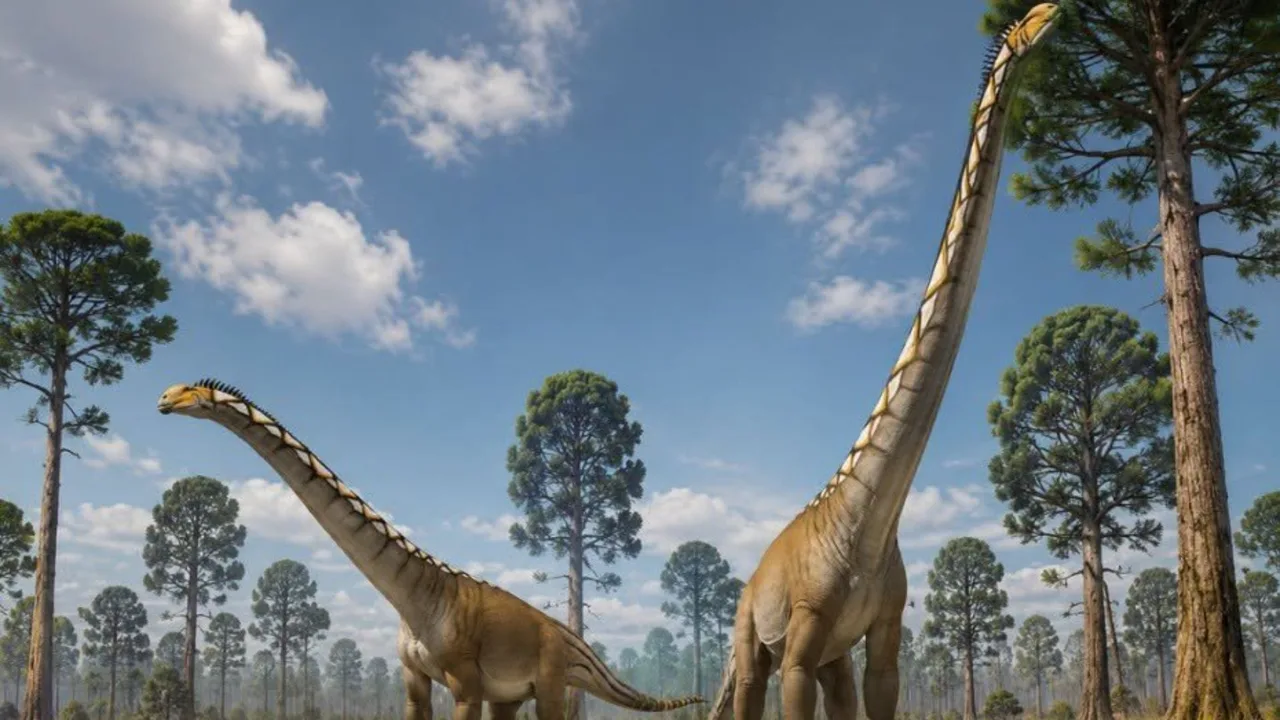
Thai paleontologists have identified a new dinosaur species based on ancient remains found in Kalasin Province in the country’s northeast, Earth.uz reported.
According to specialists, the discovery will fundamentally change perceptions of giant sauropods that lived in Southeast Asia during the Jurassic period and will significantly expand existing knowledge. The newly discovered species has been named Uragasaurus kalasinensis.
Researchers estimate that the dinosaur lived about 150 million years ago and reached a body length of up to twenty meters. Its most distinctive feature was an exceptionally long neck.
This structure allowed it to easily feed on vegetation at various heights and on tree leaves. The study’s author, Dr. Apirut Nilpanap from Mahasarakham University, said the fossils were found in the Phu Noi area, which is known for its rich archaeological finds.
It is worth noting that initial excavations in this area began in 1982. To date, more than ninety percent of the fossils discovered in the region have been identified as dinosaur bones, drawing sustained attention from experts.
The new species was identified based on the unique structure and composition of its vertebral column. Modern computerized tomography analyses confirmed that the specimen belongs to the Mamenchisauridae family, known for its extremely long necks.
Until now, remains of this family had primarily been found in China, making this discovery a historic milestone for Thai science. According to scientists, the unique air sacs in the dinosaur’s vertebrae and its distinctive vertebral structure set it apart from other known species.
Dr. Nilpanap noted that he felt a strong sense of excitement upon realizing the discovery of a new species. The findings were detailed in the influential scientific journal Nature.
This is the second major dinosaur discovery in Thailand this year, further confirming that the country was once a significant habitat for giant prehistoric creatures.