


Geothermal energy in Europe provides a livelihood for more than ten thousand people.
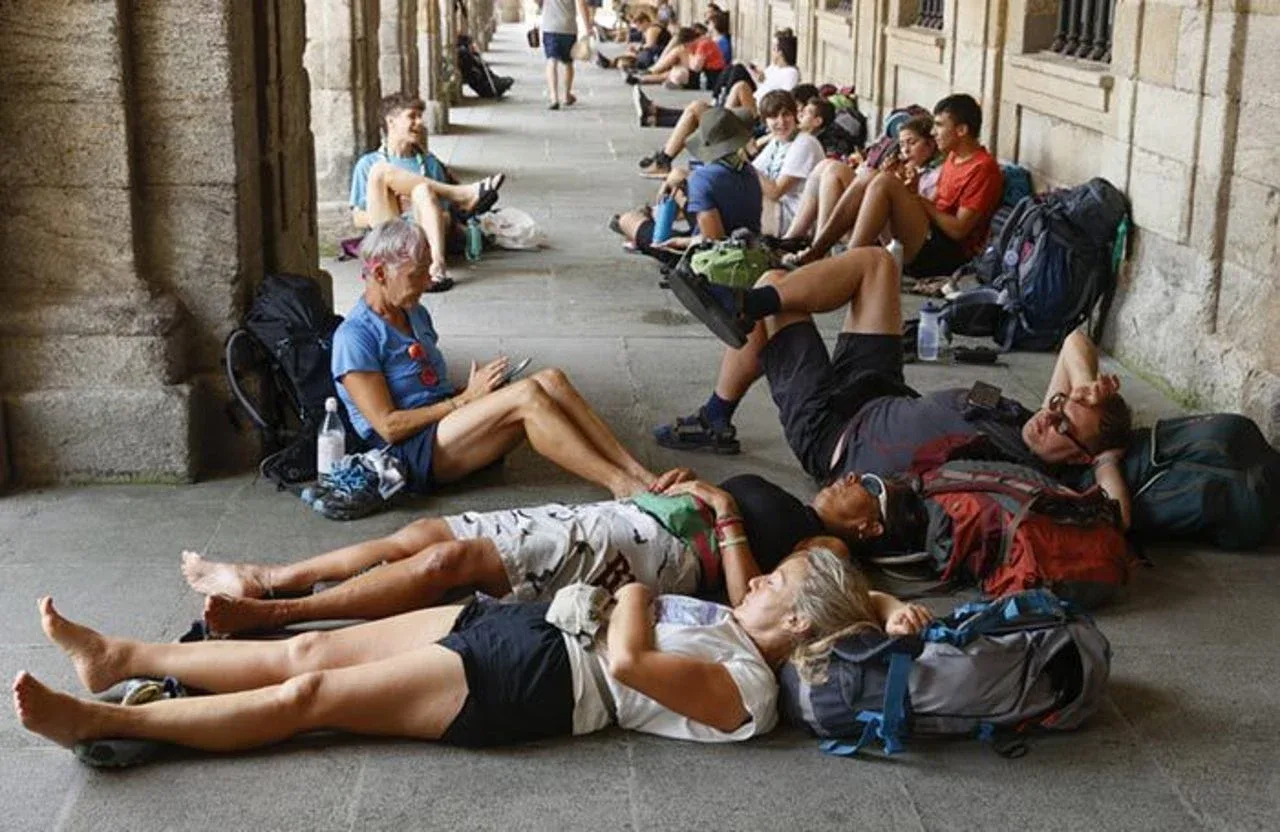
At the end of June, an abnormal heatwave swept across Europe, affecting the lives of more than ten thousand people, according to Zemlya.uz.
Data from the European Mortality Monitoring Project, conducted by the European Centre for Disease Prevention and Control in collaboration with the World Health Organization, show that the climate anomaly caused serious losses. These figures are based on an analysis of national statistics from twenty-seven countries across the continent.
According to the study, the absolute majority of heat-related deaths occurred among people with chronic illnesses. Records indicate that over ninety percent of the victims were individuals aged sixty-five and older.
Experts emphasize that extremely high temperatures harm the human body not only through direct overheating but also by sharply exacerbating chronic cardiovascular and respiratory conditions. This is why elderly individuals are considered the primary at-risk group when it comes to the effects of hot weather.
At the national and city levels, the highest excess mortality was recorded in France and Belgium. According to data from Germany’s Robert Koch Institute, more than five thousand people died due to heat, the majority of whom were over seventy-five years old.
In the United Kingdom, approximately two thousand seven hundred deaths were recorded. Among Europe’s ten largest cities, Milan, Paris, and Barcelona were the most affected areas.
Demographic analysis revealed that heat-related deaths occurred more frequently among women than men. However, scientists attribute this not to any specific biological trait of the female body, but to the fact that women naturally outnumber men in the elderly population due to higher life expectancy.
Specialists warn that, as a consequence of climate change, such extreme heatwaves are likely to occur more frequently. Therefore, it is essential to urgently strengthen preventive measures to protect the population, especially socially vulnerable groups.