


Tramp Eron adopted a decision on imposing tariffs on objects
The political and military situation in the Middle East has reached a critical point, according to Zamin.uz.
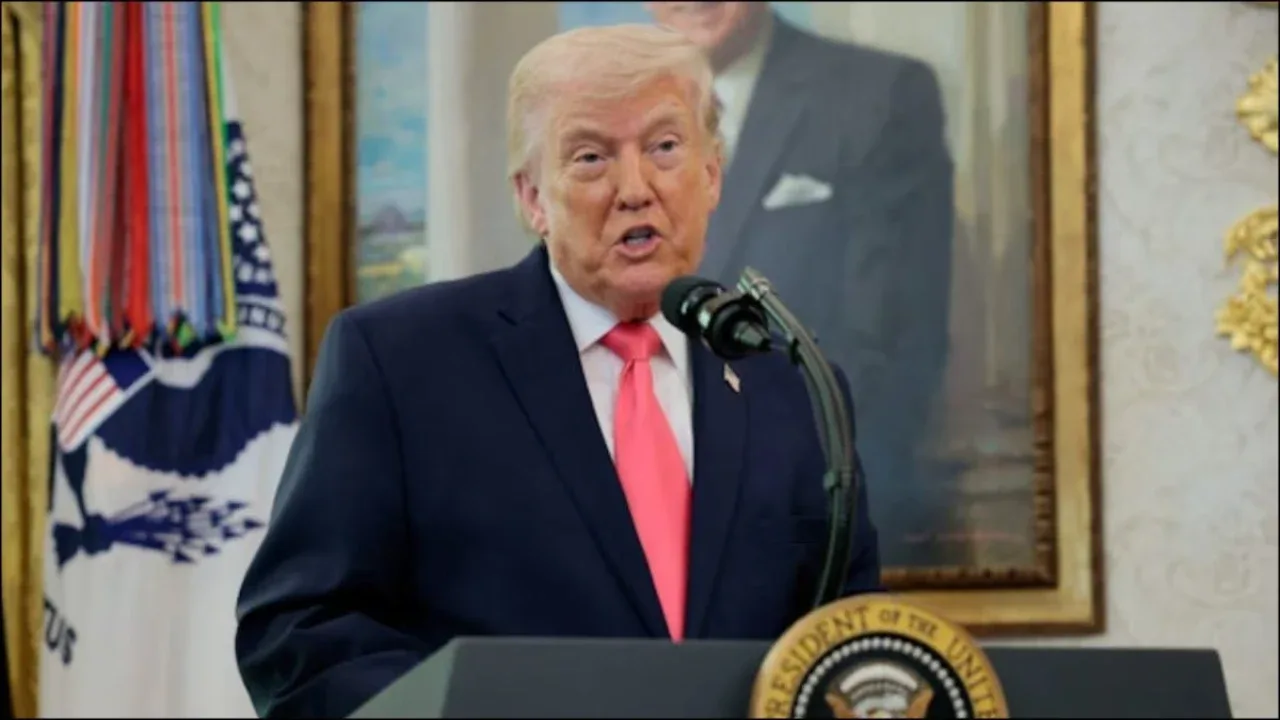
The decision by U.S. President Donald Trump to carry out covert strikes on targets in Iranian territory, along with the initiation of new military operations in the Strait of Hormuz, has sparked serious debate in Washington’s political circles. Tensions between the White House and Congress over war powers have intensified amid these developments.
Moreover, these confrontations have become notable for marking the first operational use of a new type of weapon in the history of warfare. According to influential publications, Trump confirmed in an official letter to congressional leaders in mid-July that the U.S. military had conducted strikes on a series of objects in Iranian territory for defensive purposes.
Once this information became public, longstanding disagreements between the White House and the legislative branch resurfaced. The issue is that both chambers of the U.S. Congress had previously adopted resolutions requiring the president to obtain formal authorization before initiating military actions.
However, the administration maintains that, as Commander-in-Chief, the president possesses constitutional authority to make independent decisions regarding the use of armed forces. In the military domain, U.S. central command has begun exerting broad pressure on Iran.
Specifically, several waves of airstrikes were carried out throughout July. The primary objective of these operations was to limit Iran’s ability to threaten international shipping in the Strait of Hormuz.
Additionally, a maritime blockade was imposed in the region, with vessels entering and exiting Iranian ports subjected to strict monitoring. Only peaceful vessels not violating international law are permitted to move freely.
The most significant aspect of these confrontations is that the U.S. military, for the first time, employed unmanned surface drones in an attack on a military base in Bandar Abbas. This event is regarded as opening a new chapter in the history of modern warfare.
In turn, Iran did not leave these actions unanswered. Iranian armed forces launched strikes against U.S. military bases located in Kuwait using kamikaze drones.
Unfortunately, the agreement reached in June of this year between the two countries to halt hostilities and lift the blockade did not last long. Despite the signing of a ceasefire, mutual distrust and conflicting strategic interests have dragged the region back into the vortex of armed confrontation.
At present, the international community is concerned about the further escalation of the situation.