Hyundai Recalls Over 54,000 Vehicles in the U.S.
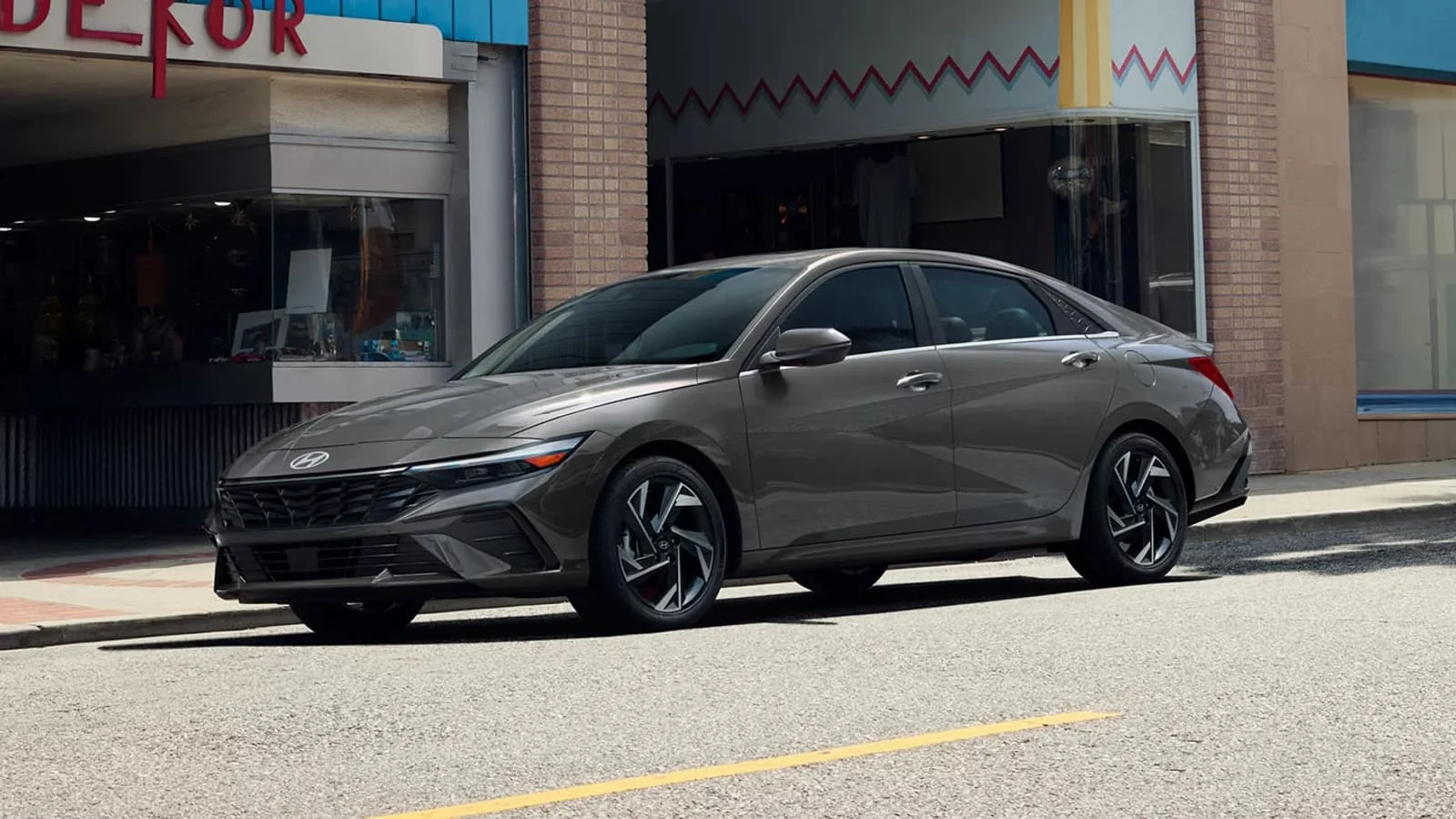
Hyundai announced a recall of more than 54,000 Elantra Hybrid vehicles sold in the United States from 2024 to 2026 due to a technical defect in the hybrid system control module. This was reported by Zamin.uz.
The recall is due to a detected technical flaw in the hybrid system control module. Specialists believe this issue could negatively affect the vehicle's safe operation and potentially lead to serious consequences.
During inspections, it was found that a specific transistor in the control module overheats excessively under high load. In many cases, this malfunction can cause the vehicle's engine to stall or the system to enter a severely limited operating mode.
However, in the most severe cases, intense overheating may result in component failure and even pose a risk of fire, which the company emphasizes. Diagnostic work showed that the root cause lies not in the hardware but specifically in a software error.
According to available information, the current control system does not provide sufficient cooling for the module under high-load conditions. The company began investigating this issue at the end of last year and, after several analyses, confirmed the intermittent failure of a particular component.
To date, four official incidents related to this defect have been recorded, one of which involved a fire. Fortunately, no injuries were reported in these incidents, and no traffic accidents occurred.
Hyundai specialists plan to resolve the issue by updating the software. The new software will improve the efficiency of the cooling system and prevent overheating situations.
It is also worth noting that earlier, a similar software issue was observed in another model from the same brand — the Tucson Hybrid — where unexpected braking problems occurred. The South Korean automaker has recently faced a series of technical difficulties with its hybrid models due to flaws in complex electronic systems and software.
This once again highlights how critical the stable operation of digital systems is in modern vehicles.