



Vehicle service tax revenues in Britain hit a record high
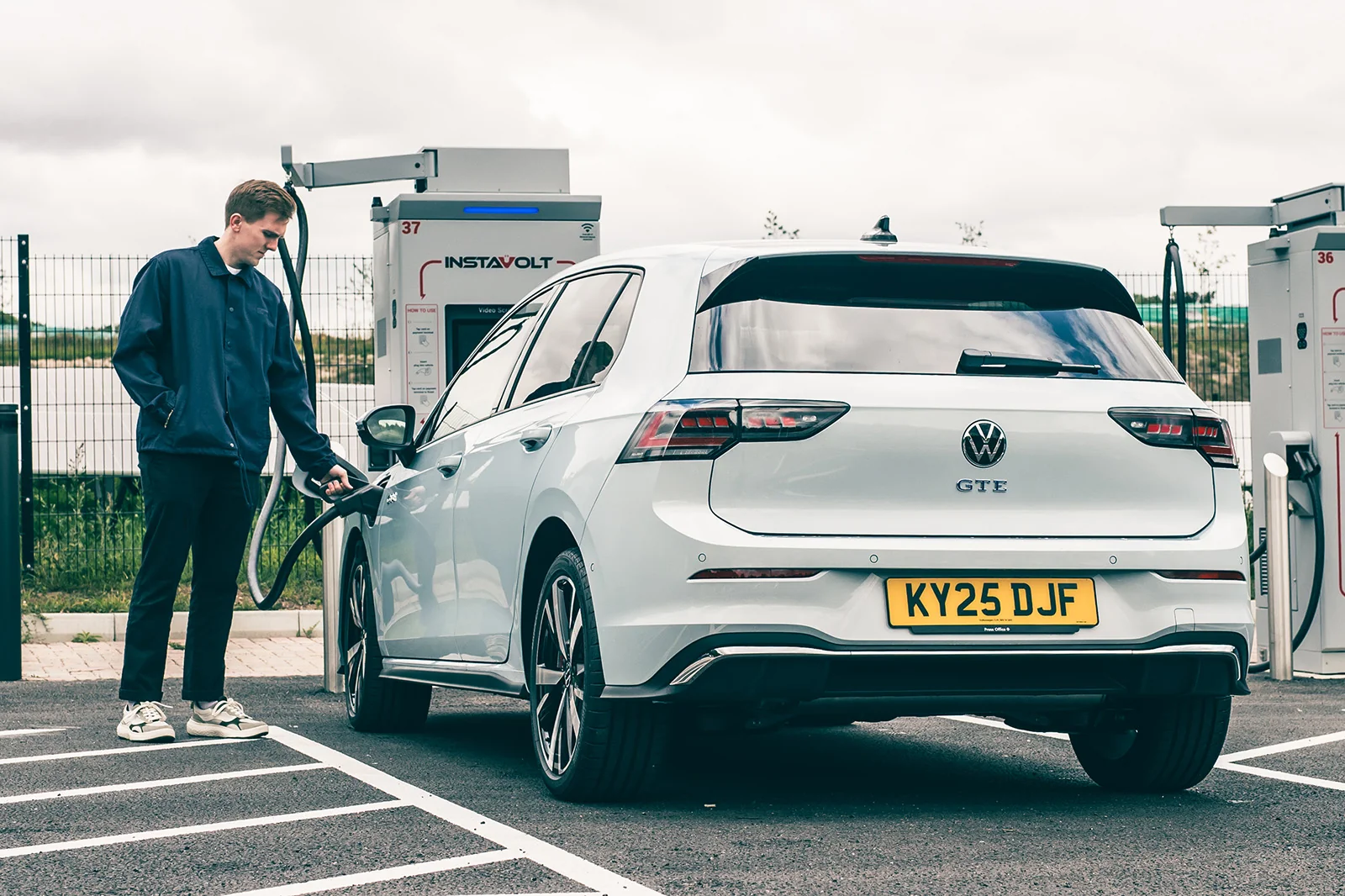
In the global context, using a company car is not only convenient but also brings tax obligations. This was reported by Zamin.uz.
For example, in the UK during the 2023/24 financial year, over 840,000 tax liabilities were incurred. In the UK during the 2023/24 financial year, over 840,000 employees paid tax on company cars, generating £3.27 billion in revenue.
However, in recent years, effective ways to reduce the tax burden have emerged, changing trends in the car market.
This is reported by Autocar.co.uk. The tax amount for a company car depends on the vehicle’s CO2 emissions.
If an employer provides an employee with a car that can also be used for personal purposes, it is treated as a “benefit-in-kind.” The tax amount is based on the car’s market price and its environmental indicators.
Therefore, for those seeking savings, choosing low-emission vehicles is the most popular option. Electric cars are considered the most effectively reduce tax burden.
According to calculations show that for the most fuel-efficient petrol cars, the tax rate is 25% of the car’s value, while for electric cars, it is 4%. This allows tax expenses to be reduced by approximately 80%.
Thanks to these benefits, drivers’ choices have changed significantly. For example, in 2020/21, electric cars made up 7% of company cars, but by 2023/24, this figure reached 41%.
Models such as the Tesla Model 3 or BYD Han are popular due to their technological superiority and economic benefits. Hybrid cars are also a suitable option.
If you are not ready for a fully electric car, Plug-in Hybrid (PHEV) models are also a good choice. For such vehicles, the tax rate depends only on how many miles the car can travel on electric power alone.
The longer the electric-only driving range, the lower the tax. This makes modern hybrid models like the Toyota Camry attractive in the business segment.
When calculating the tax amount, the following factors are considered: the car’s factory price (P11D value), CO2 emissions level (g/km), fuel type (petrol, diesel, hybrid, or electric), and the employee’s income tax rate.
In the Uzbek market, demand for electric and hybrid vehicles from brands like BYD is also growing.
International experience shows that eco-friendly transport is not only the right way to reduce environmental impact but also to optimize financial costs. In the future, tax legislation is expected to become stricter, which could lead to the phasing out of internal combustion engine vehicles.