



Trading of Bitcoin perpetual futures contracts has been permitted on US exchanges
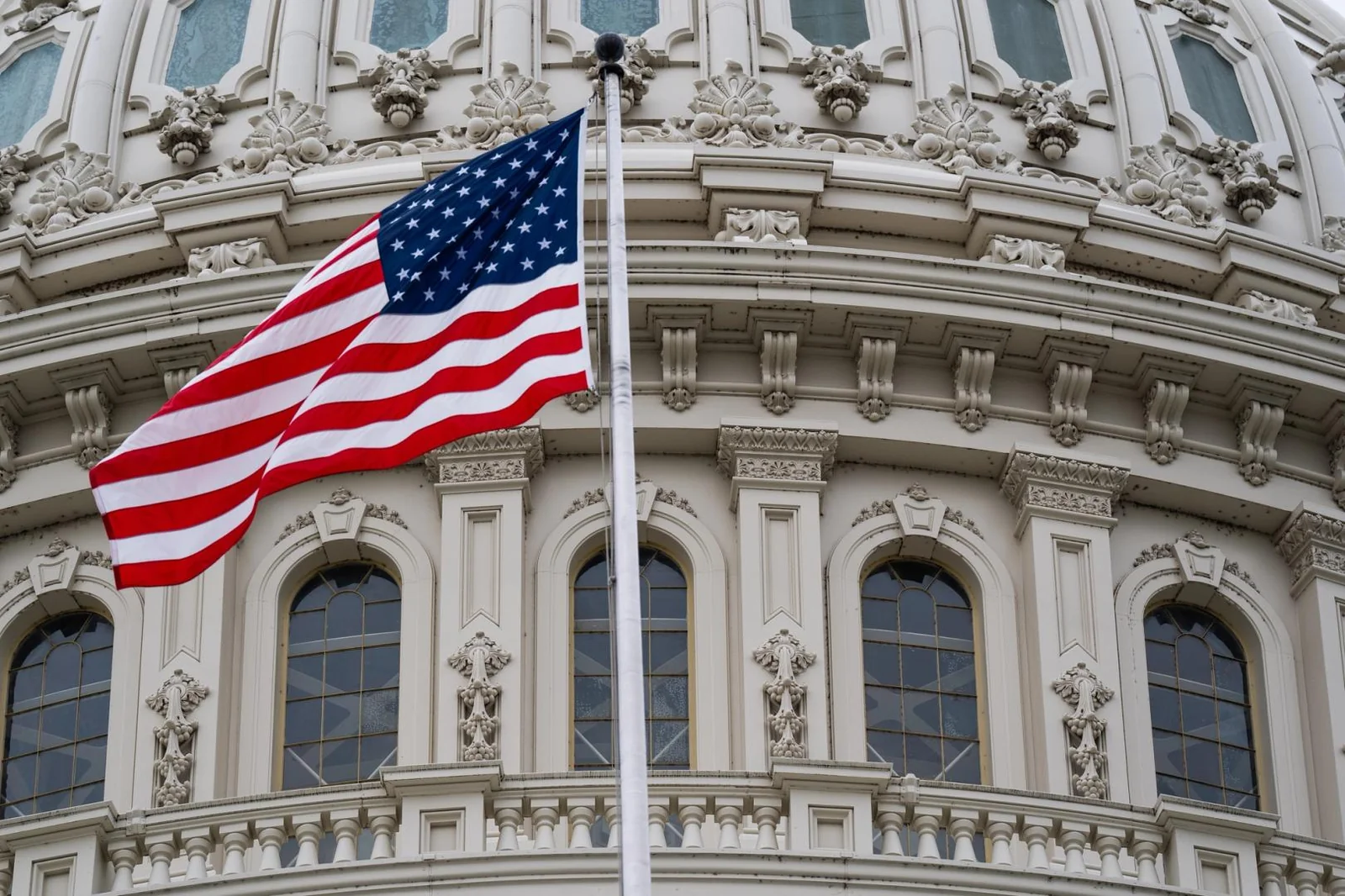
The U.S. Commodity Futures Trading Commission has approved a historic decision allowing trading in perpetual futures contracts on Bitcoin on nationally regulated exchanges. This was reported by Zamin.uz.
Effective immediately, regulated exchanges in the country are permitted to offer perpetual futures contracts on Bitcoin. This significant step brings the most liquid segment of the cryptocurrency market under the U.S. regulatory framework.
The development is being viewed as a strategic move toward positioning the nation as a global hub for digital assets, according to international financial publications.
The key distinction of perpetual contracts from traditional futures lies in their lack of an expiration date. Designed specifically for continuously operating markets, these instruments allow investors to maintain their positions indefinitely without the need to roll over contracts.
Interestingly, the concept was first introduced in 1992 by Nobel laureate Robert Shiller. Today, it has evolved into one of the most effective and widely adopted tools for managing risk in the global cryptocurrency market.
Until now, the United States lacked a clear legal framework for such trading. As a result, large-volume transactions were primarily conducted in offshore jurisdictions with minimal oversight.
This situation weakened the competitiveness of domestic crypto firms on the international stage and exposed investors to additional risks. The newly established framework aims to enhance transparency and order in the market while supporting the advancement of modern financial technologies.
The Commission’s decision creates a functional mechanism to mitigate sharp volatility and systemic risks in the market. Experts argue that regulating such complex financial instruments domestically is far safer and more effective than allowing them to migrate to unregulated offshore environments.
The approval of perpetual Bitcoin futures strengthens the U.S. position in the digital financial system and is expected to attract new capital inflows into the sector.