



Valuable artifacts from the Timurid era were found in a museum in Ukraine.
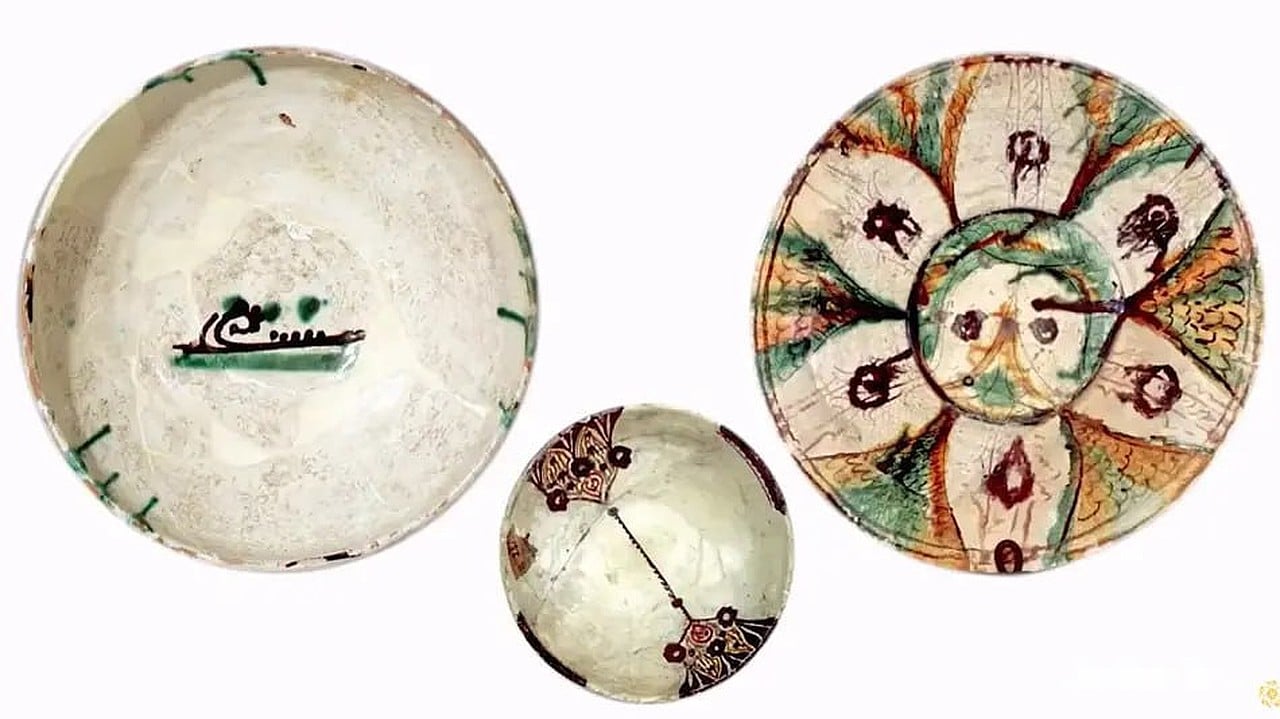
According to the latest information provided by the Embassy of Uzbekistan in Ukraine, valuable historical artifacts dating back to the Timurid era are preserved in the collection of one museum in that country. Zamin.uz reported on this matter.
These artifacts are not merely old items left from the past, but a vivid testament to the global influence of the cultural heritage created by our great ancestors. These findings are attracting attention not only from experts but also from the general public due to their exquisite nature and profound historical significance.
Research indicates that these are hemispherical ceramic vessels with a mysterious glaze. They are decorated with intricate patterns in black, blue, and turquoise colors, while their upper parts are covered with a transparent glaze.
Such vessels demonstrate the exceptionally high level of applied arts during the Timurid era. The supreme skill of craftsmen, the delicacy of decorative styles, and the harmony of colors vividly reveal how rich and colorful the cultural environment of that time was.
Behind every line and every pattern lies the labor and aesthetic vision of the masters of that era. The fact that these historical artifacts are still being carefully preserved today holds great importance.
Each ceramic vessel is a living witness to the past and a valuable source preserving the spirit of that time. Through these items in the museum collection, we can discover new facets regarding daily life, culture, and art of the Timurid era.
Such findings play a significant role in restoring historical memory and promoting our national heritage worldwide. This event reminds us of another important truth: the cultural heritage of the Timurid era is not limited to the territory of Uzbekistan but is widely distributed in museums and private collections in various corners of the world.
This situation is significant in two ways. First, it confirms that Timurid era art was highly valued on a global scale even in its own time.
Second, it implies that efforts to study this heritage, document it scientifically, and promote it on the international stage must continue constantly. In conclusion, even a simple-looking ceramic cup on a museum shelf resonates as the voice of an entire era.
Wherever the traces of the Timurids may be, they remain our national pride and historical wealth. Such findings enhance our people's respect for their past and encourage the younger generation to preserve our national values.
Searching for our historical heritage around the world and studying it on a scientific basis will remain the greatest wealth for future generations.