19 countries joined the Security Council: goals vary
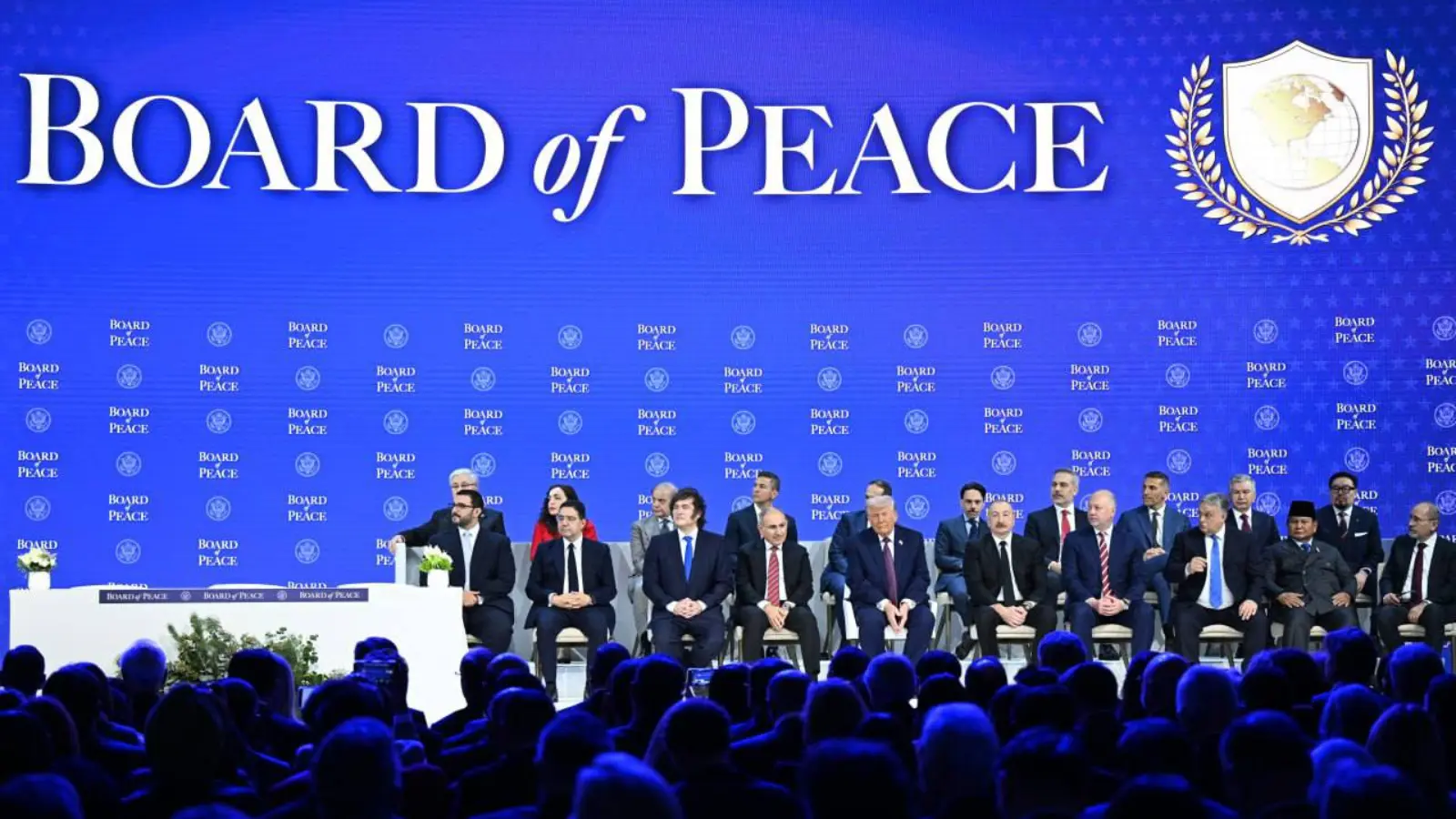
So far, 19 countries have officially joined the “Peace Council” established on the initiative of former U.S. President Donald Trump. This was reported by Zamin.uz.
Notably, in 12 of these countries, the majority of the population is Muslim. According to political scientist Kamoliddin Rabbimov, this is no coincidence.
These countries view the council as a means to find solutions to the long-standing conflicts in the Middle East. The expert emphasizes that Muslim countries aim through the council to limit Israel's policies in Palestine and other territories, directly convey their positions to the U.S. leadership, and gain influence within the council.
In other words, this is not only about joining a new organization but also an effort to use it as a political tool. Meanwhile, the World Economic Forum is taking place in Davos, Switzerland.
This year's forum focused mainly on Donald Trump's participation and his speech on global issues. Trump was expected to address Greenland, the Russia–Ukraine war, and the situation in the Middle East in his speech.
However, the most unexpected event of the forum was the signing ceremony of the “Peace Council” Charter by Trump. This ceremony was not announced publicly in advance, and the invited countries were informed only a few days prior.
Initially, the “Peace Council” was presented as a temporary project aimed solely at ensuring and restoring peace in the Gaza Strip. However, the situation changed in the following months.
The new Charter developed by Trump envisions the council not only limited to the Middle East but as a structure operating on a global scale. Some analysts view this initiative as an attempt to create an alternative organization to the UN.
The goal of the “Peace Council” is to ensure peace and stability worldwide, establish long-term peace in conflict regions, and restore legitimate governance. Trump has been designated as the permanent chairman of the council and plans to remain in this position even after his presidential term ends.
Currently, the council's executive body includes four high-ranking officials: U.S. Secretary of State Marco Rubio, Special Envoy for the Middle East Steve Whitkoff, Jared Kushner, and former British Prime Minister Tony Blair. Although the council is officially established with the approval of at least three countries, Trump has sent invitations to 49 countries.
At the ceremony in Davos, leaders or representatives of 19 countries participated. The composition of these countries is particularly noteworthy.
From the post-Soviet region, Azerbaijan, Armenia, Uzbekistan, and Kazakhstan participated; from Europe, Hungary, Bulgaria, and Kosovo; from Latin America, Argentina and Paraguay took part. The largest group was formed by Muslim countries: Saudi Arabia, Qatar, Turkey, UAE, Bahrain, Jordan, Pakistan, Indonesia, and others.
It is also notable that the “Peace Council” was signed without Israeli representatives. This situation has been criticized in some Israeli media, especially the invitations extended to Turkey and Qatar have caused objections.
It is difficult to give a definite opinion on the council's future effectiveness and long-term activity. Some experts consider it a project based on Trump's personal political interests.
However, the goals of the countries that joined the council vary. While Muslim countries see this platform as a tool to influence Israel and strengthen the Palestinian issue, countries like Uzbekistan, Kazakhstan, and Azerbaijan prioritize maintaining their balanced foreign policies.
In today's global uncertainty, countries are seeking new diplomatic opportunities. Uzbekistan also views Trump's “Peace Council” on the international stage