



Antarctic ice shrinkage poses a global threat
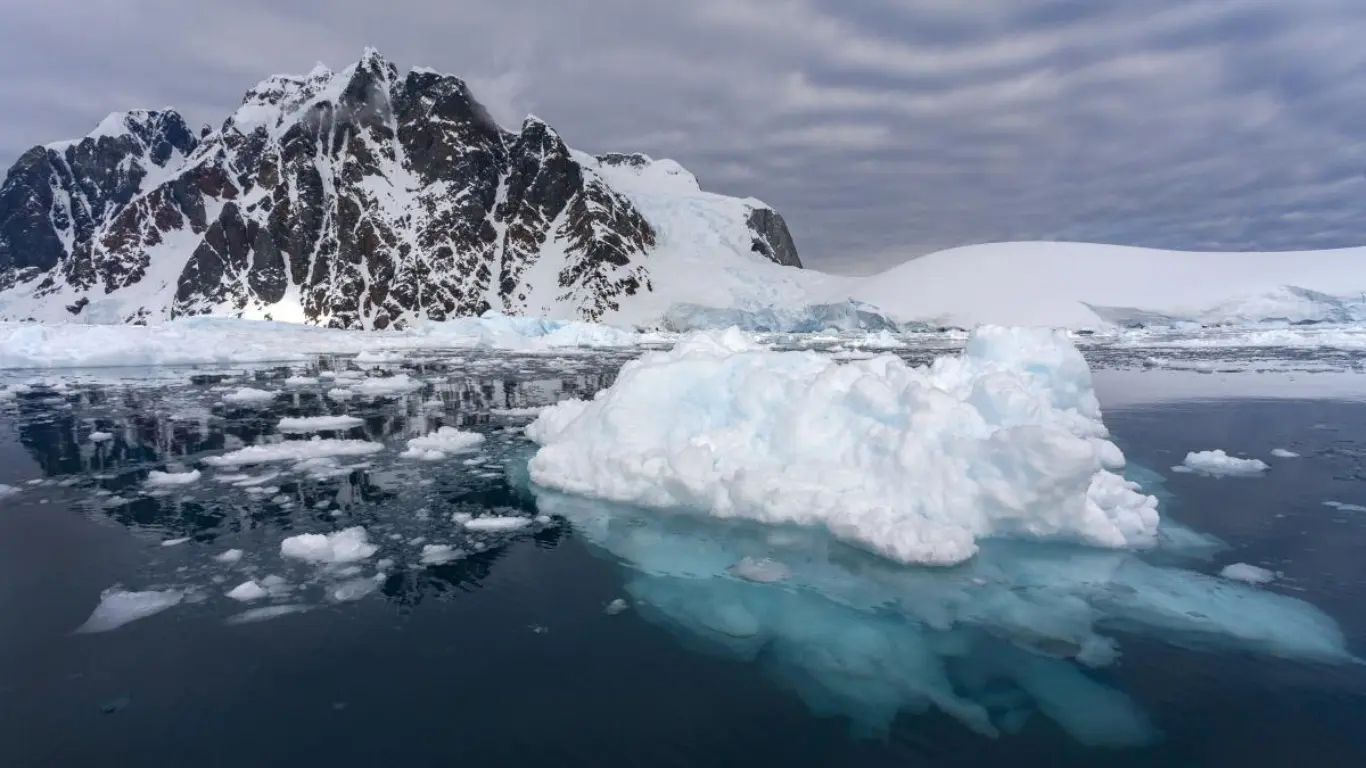
According to research conducted by an international team of scientists, the ice sheet on the Antarctic Peninsula could shrink by approximately 20 percent by 2100. This was reported by Zamin.uz.
Experts emphasize that this change could lead to a significant rise in sea levels globally. In the worst-case scenario, the amount of ice in the peninsula region could decrease to nearly one-fifth by the end of the 21st century.
This situation could seriously negatively impact the habitats of penguins, whales, and other polar animals, as well as trigger dangerous and adverse processes on a global scale. According to the lead author of the study, Professor Bevan Davies from Newcastle University, the changes observed in Antarctica could affect the climate not only regionally but worldwide.
The shrinkage of the ice sheet could result in rising sea levels, changes in the interactions between the ocean and atmosphere, and potentially negative effects on global circulation processes. This, in turn, could cause climate-related problems in other parts of the world.
Scientists stress the need to pay serious attention to these processes and highlight the importance of joint efforts in addressing global environmental issues.