



Phone restrictions in Norwegian schools yielded positive results
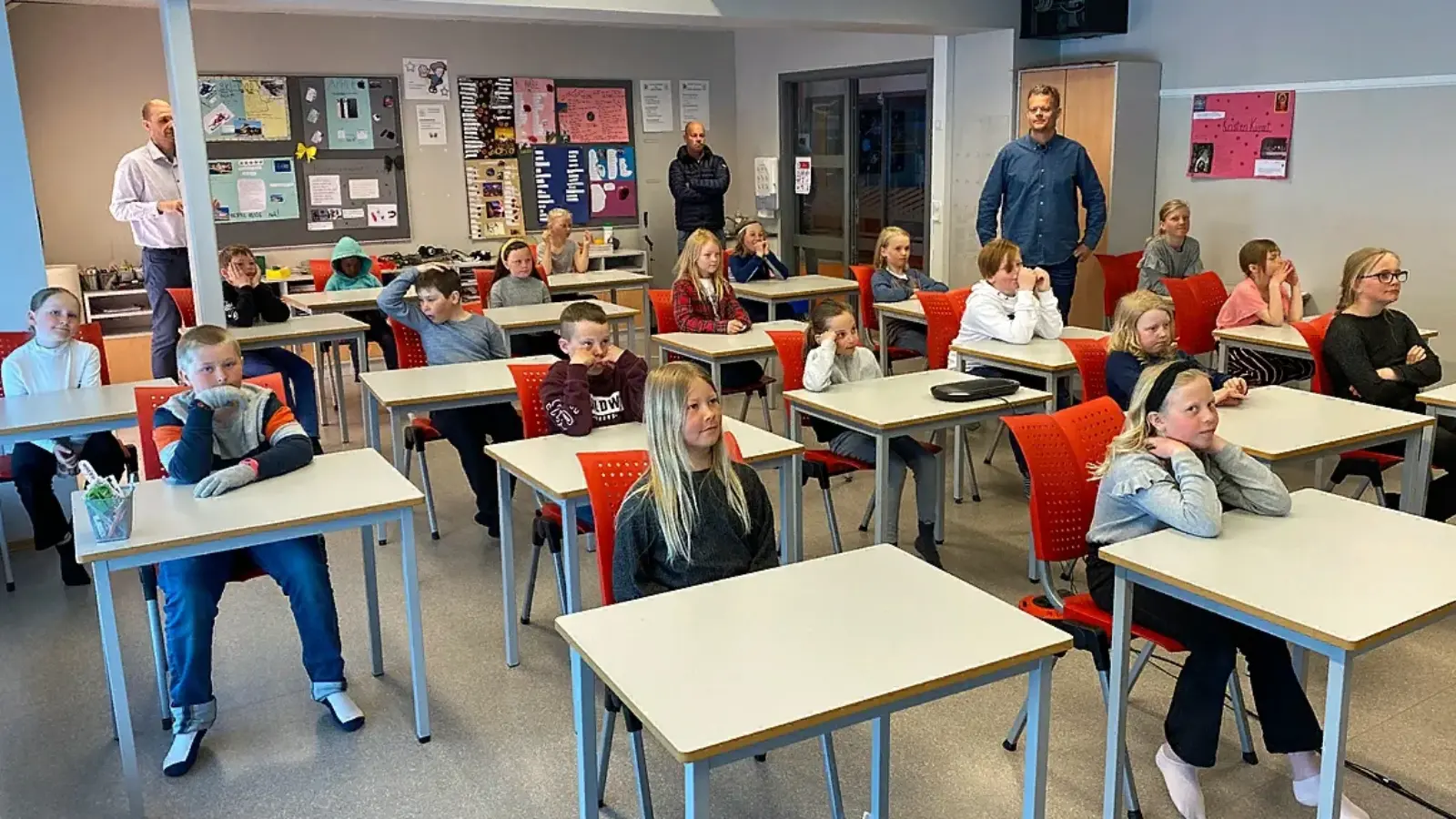
Research conducted on limiting the use of mobile phones in Norwegian schools has shown significant results for the education system. This was reported by Zamin.uz.
The study, carried out by the Norwegian University of Science and Technology, analyzed the effectiveness of the "phone-free schools" model. According to the research findings, schools that imposed restrictions on phone usage experienced positive changes.
Specifically, conflicts among students during lessons decreased, and a calm environment was established in classrooms. Additionally, relationships among students became more sincere, and the school developed into a socially comfortable and safe space.
During breaks, children have now become accustomed to more lively communication, spending time playing together and engaging in physical activities. This has increased their social activity and group participation.
Experts emphasize that after limiting phone use, students paid more attention to lessons and real-life activities. The study also noted a reduction in "digital pressure."
Many children were relieved from the constant pressure of being online and monitoring messages. This positively affected their mental state and helped them feel freer.
Restrictions were applied differently across various schools. In some schools, phones were stored in special lockers, while in others, their use in classrooms was completely prohibited.
In some places, usage was only allowed during designated times. This approach is not a complete ban on phones but aims to establish order and norms for the educational process.
Norwegian Minister of Education Kari Nessa Nordtun emphasized that the research results confirm the opinions of teachers and parents. According to her, a freer environment from phones makes schools safer and more conducive to learning.
This experience could also be a useful direction for other countries.