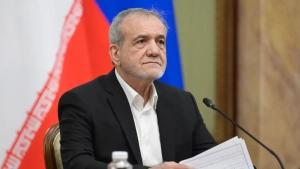


The US aims to control Iranian oil
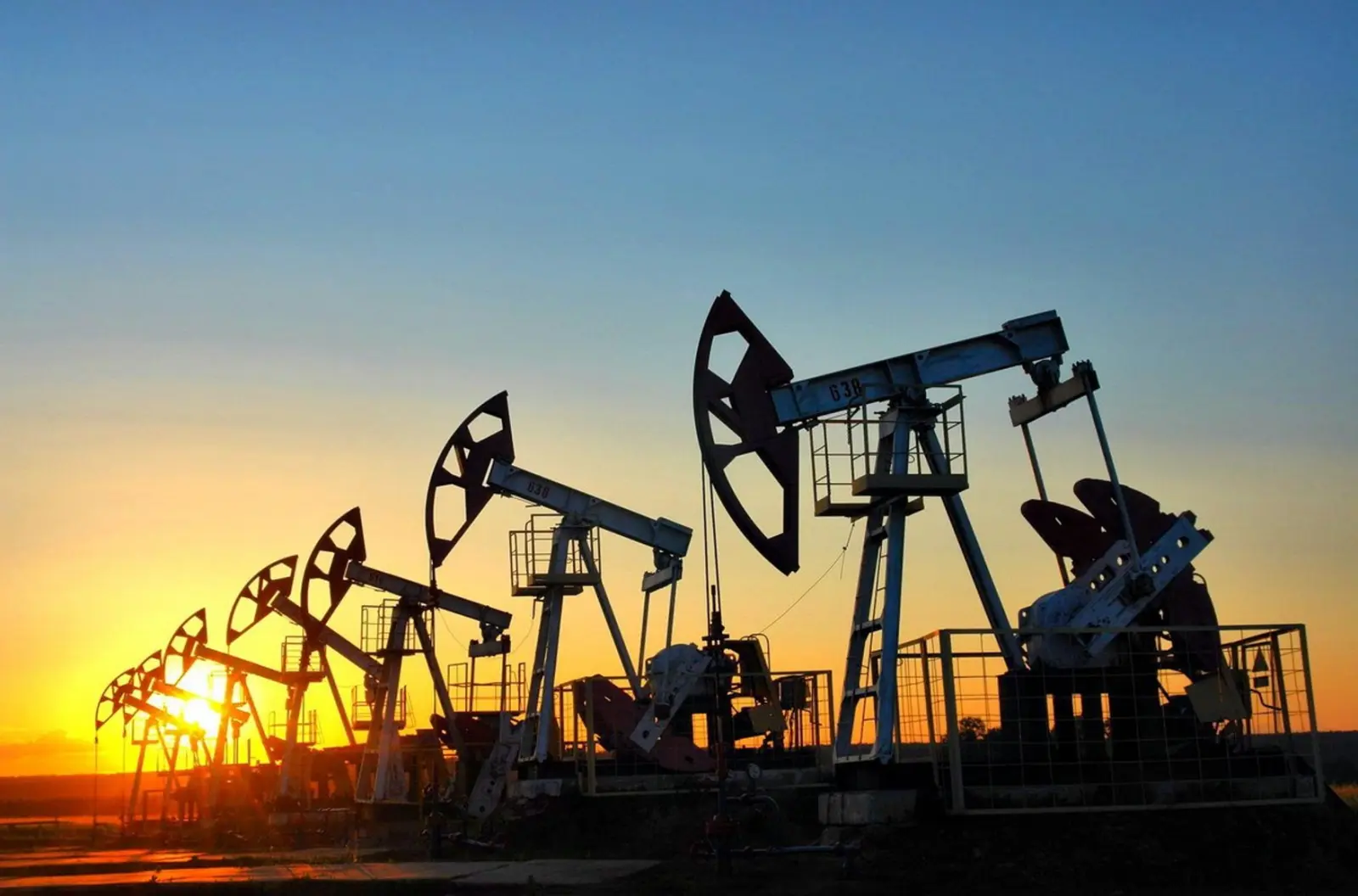
Officials in Washington openly state their intention to control Iranian oil. This was reported by Zamin.uz.
On Fox News, Jarrod Agen, head of the US National Council on Energy Dominance, expressed a firm position on this matter. Responding to a question about how the conflict in the Middle East might affect oil prices, he tried to downplay the risks in the Strait of Hormuz.
The US aims to deprive Iran of revenue from oil and thereby resolve the issue. Reports indicate that the situation in the Strait of Hormuz has worsened: tanker traffic has decreased, and the risk is said to be freezing insurance and logistics chains.
According to Reuters, there have been times this week when tanker traffic in the strait nearly stopped, and the US has discussed maritime security. The Financial Times draws attention to another aspect of the problem: as risk increases, insurance costs rise, ships stop, cargo accumulates, and this puts pressure on prices in the market.
For this reason, it has been noted that the US is talking about a large re-insurance mechanism to restore shipping through the Persian Gulf. Experts emphasize one truth: whoever controls oil flows will also influence the geopolitics of the region accordingly.
Any disruption in exports from the Persian Gulf can have a significant impact on the global energy market, fuel prices, and logistics. Washington’s "cut off Iranian oil" policy is a double-edged game: on one hand, reducing Tehran’s income, and on the other, ensuring that global prices do not rise excessively.
The biggest question is whose pocket will bear the cost of this policy: only Tehran’s or the entire market’s?