



Trump said he will not sign other documents until SAVE is legally approved.
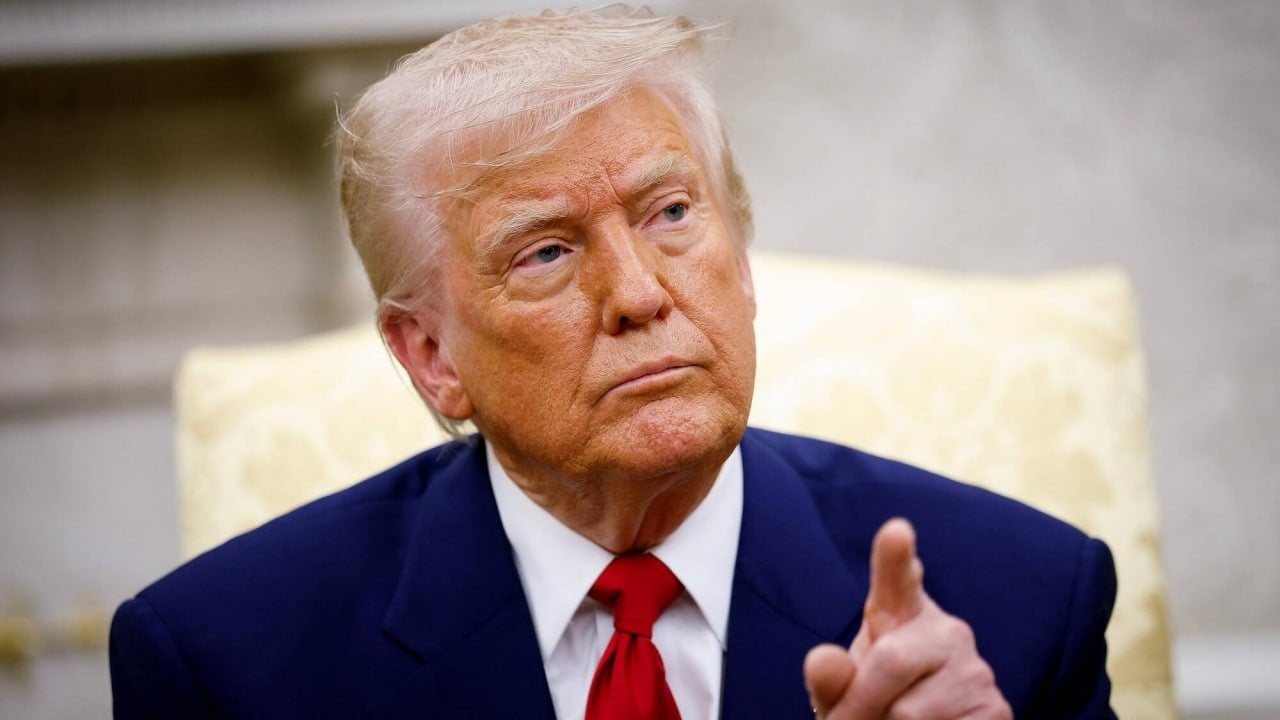
US President Donald Trump has taken another serious and decisive step in the country's politics. Zamin.uz reported on this.
He openly declared that he would not sign any other bill until the Senate approves the law protecting voters' right to participate in elections, known as the SAVE Act. The White House leader announced this decision via Truth Social, indicating his readiness to firmly defend his position.
According to the President, this bill must become the highest and gold standard of the US electoral system, with no concessions allowed. Under the President's requirements, every voter must present official documents confirming their identity and citizenship.
Furthermore, he opposed mail-in ballots, proposing to limit this privilege only to military personnel and individuals with serious illnesses or disabilities. This initiative has intensified the political struggle ahead of the US Congressional midterm elections scheduled for November 3 next year.
Analysts believe that Trump is attempting to implement these strict rules under the pretext of mobilizing his supporters and ensuring transparency in the electoral process. A factor complicating the situation is that Trump addressed John Thune, the Republican majority leader in the Senate, requesting to bypass the filibuster tactic when passing the bill.
Typically, 60 votes are required to pass a law in the Senate; however, Trump believes Republicans can pass this document with just 51 votes. This brings the conflict between Democrats and Republicans to a new level.
Democratic Party representatives, on the other hand, are concerned that this bill will restrict ordinary citizens' right to vote and create artificial barriers in the electoral process. The SAVE Act was approved by the House of Representatives in February and enjoys strong support among Republicans.
However, Democrats emphasize that this bill will make voter registration more difficult and particularly hinder voting by low-income groups. The midterm elections taking place in the autumn of 2026 are crucial for both parties.
While Democrats hope to regain control of the House of Representatives, Republicans are employing all means to maintain their current majority. In US political history, midterm elections often prove difficult for the incumbent government and typically result in defeat for the ruling party; therefore, Trump's decisive move holds strategic significance.