


Russia Is Ready to Resume Oil and Gas Supplies to Europe
Since the war between the United States and Israel against Iran began, the situation in the energy carriers sector on the world market has changed dramatically. This was reported by Zamin.uz.
In particular, amid security concerns around the Strait of Hormuz and worries about oil supply, prices have risen sharply. This situation has forced many countries to prioritize energy security.
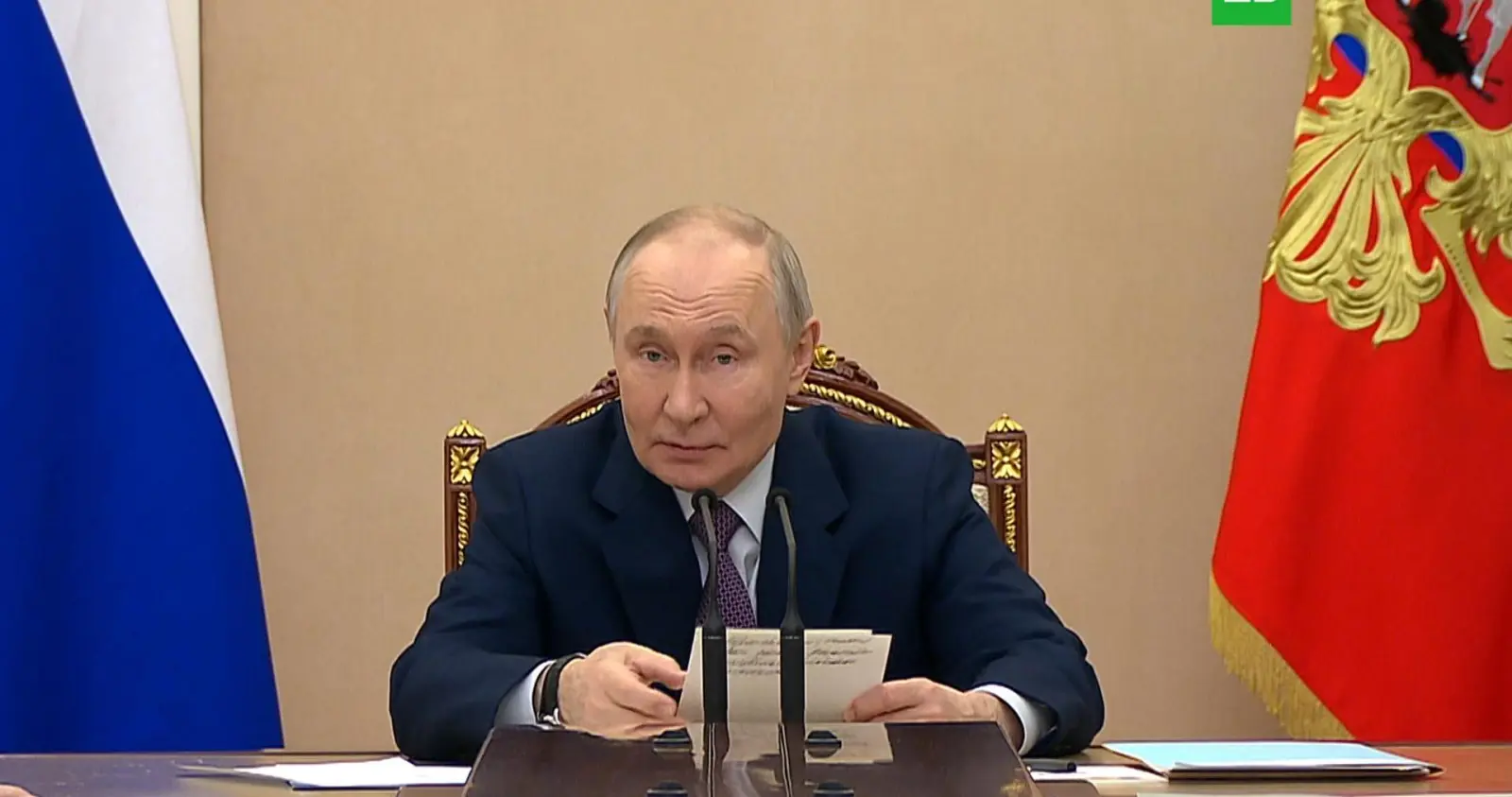
At such a delicate and important time, Russia announced its readiness to restore the process of supplying oil and gas to European countries. Russian President Vladimir Putin paid special attention to this issue at a government meeting last Monday, March 9.
He emphasized that the main and most important condition for restoring supplies is the formation of a long-term and stable cooperation environment free from political pressure on Moscow. The Kremlin leader reminded that the Strait of Hormuz was blocked by Iran and that sharp changes are being observed in the oil market, directly addressing European countries.
If European companies and buyers decide to change their direction and ensure stable and long-term cooperation free from political influence with Russia, it is said that Russia will not turn away. President Putin stressed that Russia has never given up on working with Europe.
However, a clear and simple signal must come from Europe to Moscow. This means whether they are truly ready for cooperation and whether this process will be prolonged and stability guaranteed or not.
In this regard, Putin gave a clear task to the government. Russians should deeply analyze whether supplying oil and gas to Europe is appropriate and should not wait for the European Union to demonstratively shut the door.
Currently, it is known that Russian oil is mainly supplied to countries in the Asia-Pacific region, as well as Hungary and Slovakia. In addition, changes in oil prices are also noteworthy.
Today, the price of one barrel of oil has exceeded one hundred US dollars for the first time in four years. Our compatriots have also learned that behind the price increase, G7 finance ministers discussed the option of using oil reserves.
It is worth noting that after Russia's military operation against Ukraine began, the European Union gradually reduced energy supplies due to sanctions. In conclusion, the tension and price increase in the energy market created an opportunity for Russia to return.
However, this process must be free from political interference and based on a stable agreement. Now the biggest question stands before the European countries: how will they respond to this proposal and can they continue cooperation in the future?