



Gulf states declared a state of emergency in oil supplies
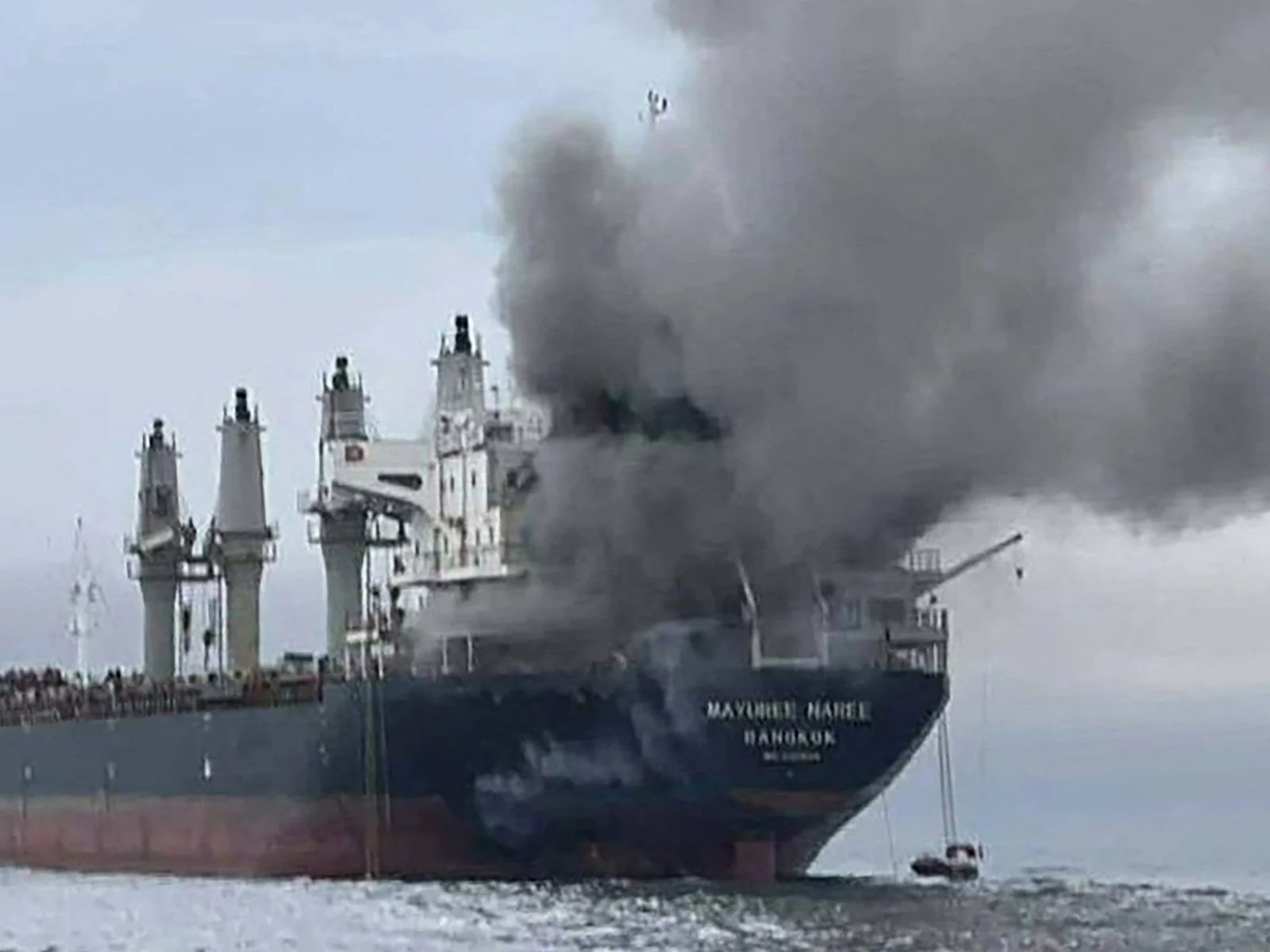
Major energy-producing countries in the Persian Gulf, including Qatar, Kuwait, and Bahrain, have officially declared force majeure regarding oil and gas supplies. This was reported by Zamin.uz.
This decision arose due to the ongoing military conflict between the United States, Israel, and Iran. As a result of the conflict, maritime transport through the Strait of Hormuz has been severely disrupted.
The situation was further exacerbated by Iran's threat to block the waterway, causing oil prices to exceed $100 per barrel. This information was provided by Aljazeera.com.
The term force majeure originates from French law and refers to a contract clause that releases parties from their obligations due to unforeseen circumstances beyond their control. Energy companies in the Persian Gulf are invoking this rule with the aim of protecting themselves from financial penalties and damages in cases where they cannot fulfill supply contracts.
According to experts, although war is often a foreseeable risk, the complete closure of a critical shipping route creates a unique legal situation that justifies emergency measures. As of March 23, 2026, the global energy sector remains in a state of uncertainty.
Companies emphasize that current military operations are making it difficult to ensure the safe passage of tankers. At the same time, lawyers note that only a court can definitively determine whether these cases meet force majeure criteria.
Furthermore, countries such as India have begun developing emergency strategies to secure alternative energy sources while the regional crisis continues.