



Creating a Cancer Vaccine for Dogs with the Help of Artificial Intelligence
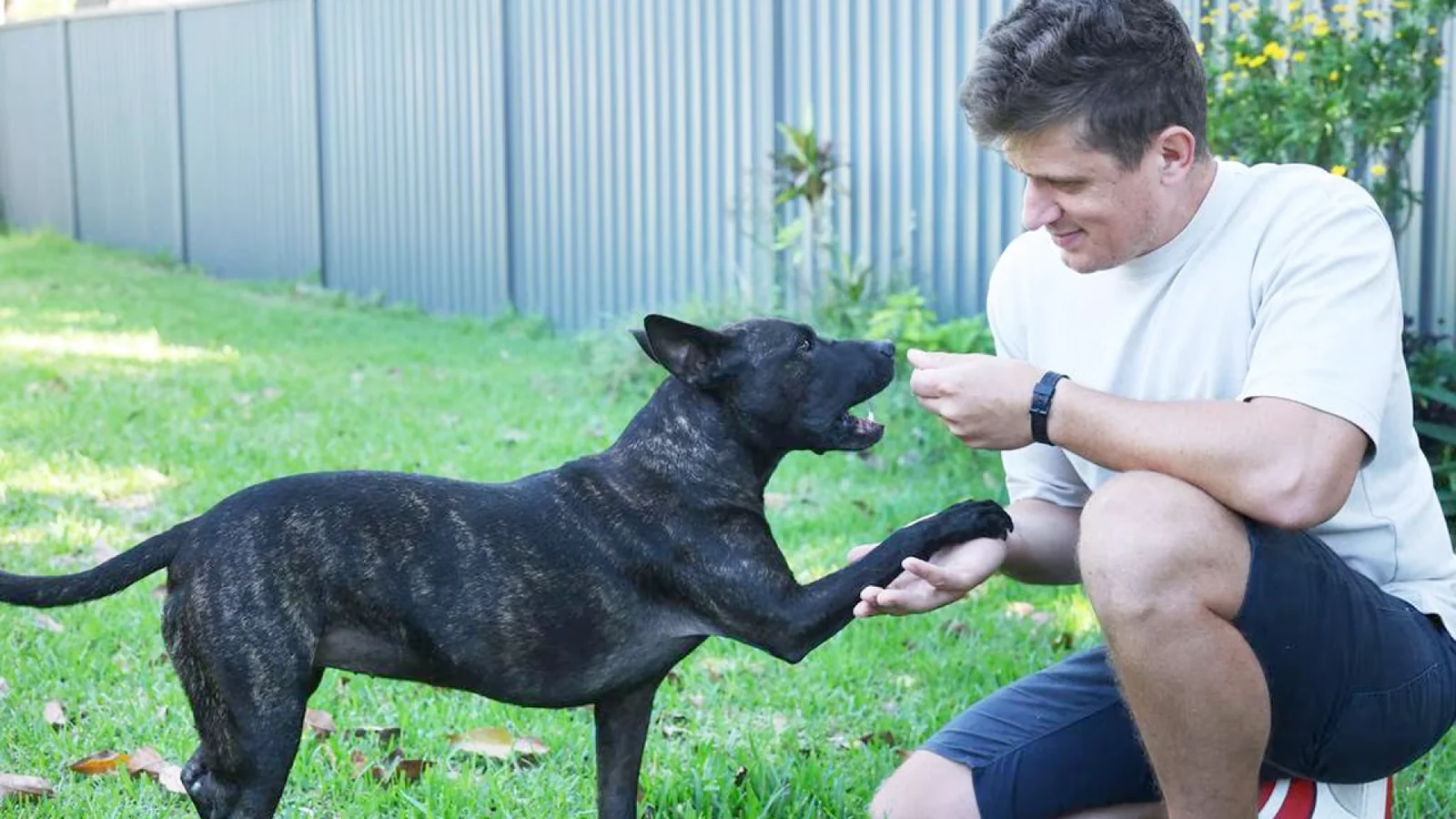
Australian entrepreneur Paul Cunningham has successfully created a special cancer vaccine for his dog named Rozi with the help of artificial intelligence. Zamin.uz reported on this.
This event marks the first significant attempt in medical history to develop a personalized mRNA vaccine for an animal. Rozi was suffering from a severe form of skin cancer, and standard treatment methods had not yielded the expected results.
To find a way out of this situation, the entrepreneur decided to conduct a complete analysis of the dog's DNA and began utilizing modern artificial intelligence tools. Cunningham thoroughly studied the dog's genetic data with the help of AI technologies and identified the mutations that caused tumor formation.
Subsequently, using the AlphaFold program, he determined how these mutations affected protein structures and identified the most effective targets for treatment. The obtained data was sent to the UNSW RNA Institute in Australia, where scientists began preparing an individual vaccine for Rozi.
After receiving the vaccine, Rozi's condition improved significantly. According to reports, the largest tumor in the dog's body has shrunk by almost half.
Currently, medical specialists are planning the second stage of treatment to eliminate the remaining tumors. Scientists express confidence that this success will help create new and effective methods for treating cancer in the future, not only for animals but also for humans.
This experiment further revealed the potential of artificial intelligence in the field of medicine. Although this approach is still in the experimental stage, its initial results demonstrate how quickly technology can deliver results in advancing personalized medicine.
In the future, such methods are expected to save the lives of many patients and create new opportunities in the fight against serious diseases.