The US Presented a Peace Plan for Iran and the Middle East
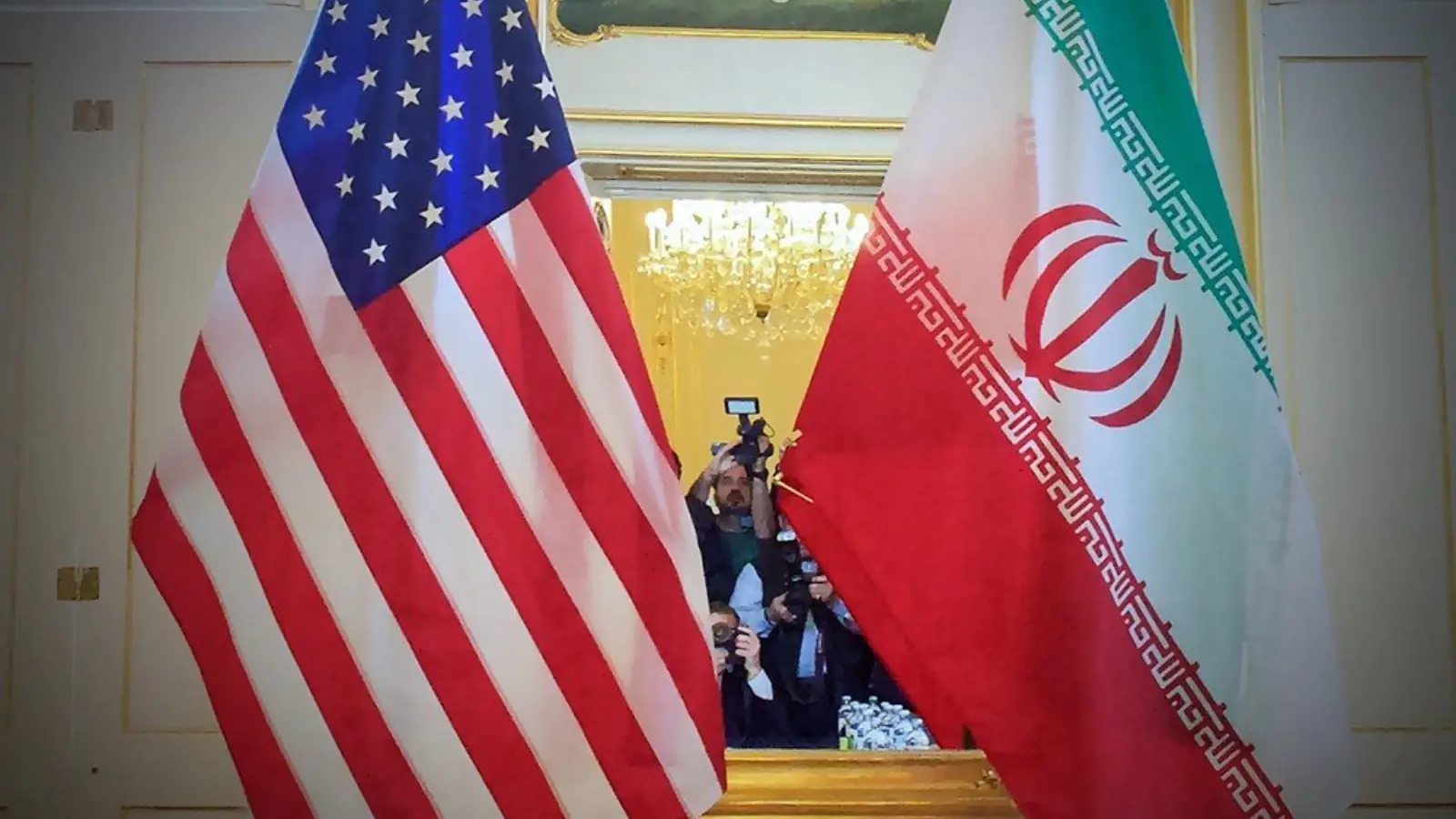
The United States has presented a comprehensive peace plan to Iran with the aim of ending long-standing conflicts and bloody wars in the Middle East. This was reported by Zamin.uz.
This important document consists of a total of fifteen points and is aimed at restoring stability in the region. According to The New York Times, this news was confirmed on March 24 and announced based on information from two informed officials.
It is reported that the document was delivered to Iranian officials via Pakistan. Based on data from Israel's N12 television channel, the plan envisages Iran renouncing the production of nuclear weapons and handing over its enriched uranium reserves to the International Atomic Energy Agency.
Additionally, a number of practical measures aimed at strengthening peace in the region have been outlined. According to Axios, US President's Special Envoy Steve Witkoff informed Donald Trump that Iran had agreed to several key provisions of the plan, specifically regarding the handover of highly enriched uranium reserves.
However, Tehran's official stance remains unclear for now and has neither rejected nor confirmed it to date. Israel's attitude towards this peace plan, which is cooperating with the US, has also not yet been announced.
Trump had reported on March 23 that productive negotiations with Iran took place and ordered a five-day suspension of strikes on energy facilities. Iran, however, rejected this statement, saying that no official negotiations had taken place.
In this regard, the Iranian Ministry of Foreign Affairs addressed the UN Security Council and the International Maritime Organization on March 24, announcing that ships deemed unfriendly could safely pass through the Strait of Hormuz if their movements were coordinated in advance with Tehran. Reuters agency reported that the document emphasized that ships complying with these rules would retain their right to safe passage.
Currently, due to conflicts and war in the Middle East, approximately twenty percent of global oil and liquefied natural gas reserves transit through the Strait of Hormuz has been halted. This situation is having a serious impact on energy supplies in the region and global prices.


![Fransiya Usmonova proposed removing [the name] from the sanctions list](/uploads/mini/web-300/04/e8d7de74763e0760c29bdbfd3d91b77a.webp)