



A new method for remote detection of nuclear weapons in the wilds
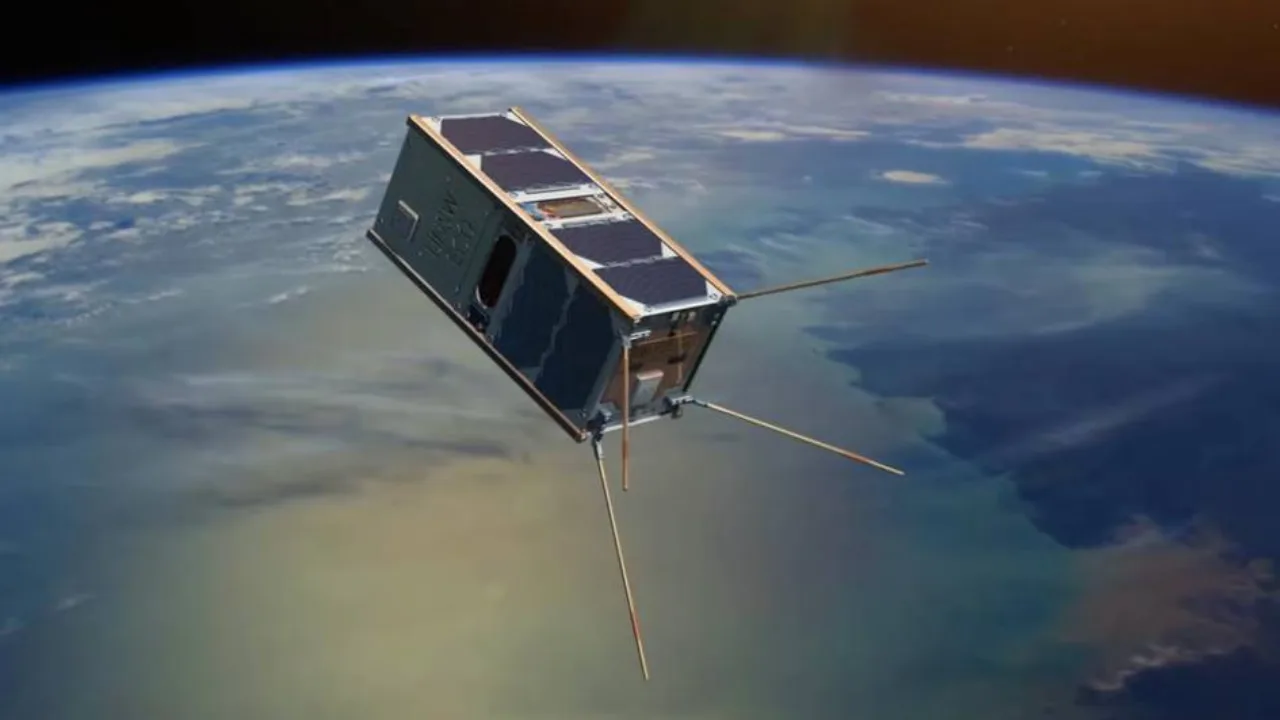
Concerns about the possible deployment of nuclear weapons in Earth orbit remain a matter of international community of nations has long been concerned about the potential for nuclear weapons to be placed in orbit, and recent developments have heightened these worries.
Researchers at the Massachusetts Institute of Technology have introduced a new technology that enables the remote detection of nuclear devices hidden among artificial satellites. According to experts, this development represents the first open and scientifically grounded method for verifying the presence or absence of nuclear weapons in space.
Historically, the 1967 Outer Space Treaty strictly prohibits the placement of nuclear weapons in Earth orbit. However, until now, there has been no reliable way to verify compliance with this ban.
The proposed system, developed by physicist Areg Danagulyan, is specifically designed to address this gap. The detection mechanism approaches a suspect satellite from a safe distance and analyzes the radioactive particles it emits.
Studies show that a specialized detector, operating from a distance of four kilometers, can identify nuclear materials with nearly 100% accuracy after one week of monitoring. If the distance is reduced to one kilometer or if multiple detection units are used simultaneously, the verification process can be completed in just a few hours.
The device functions by detecting neutrons emitted during the spontaneous fission of radioactive elements such as uranium and plutonium. The findings of this research have been recognized in influential scientific publications.
The placement of nuclear weapons in orbit is not a new concern for humanity. For example, during the 1960s, high-altitude nuclear tests resulted in numerous satellite failures and significant radiation effects on the near-Earth environment.
Even today, the activities of certain nations in space continue to raise suspicions within the international community. In recent years, speculation has frequently arisen that some launched satellites may be intended for testing nuclear technologies.
According to Dr. Danagulyan, the technology remains at the stage of a scientifically grounded project. To transform it into a fully operational system, support from international organizations and major scientific centers will be essential.
Experts conclude that if this method is widely implemented in practice, it could become a key tool for preventing an arms race in space and strengthening mutual trust among nations. This, in turn, would help preserve near-Earth space as a domain of peace and scientific endeavor.