



Toyota produces cars designed for Japan in Taiwan
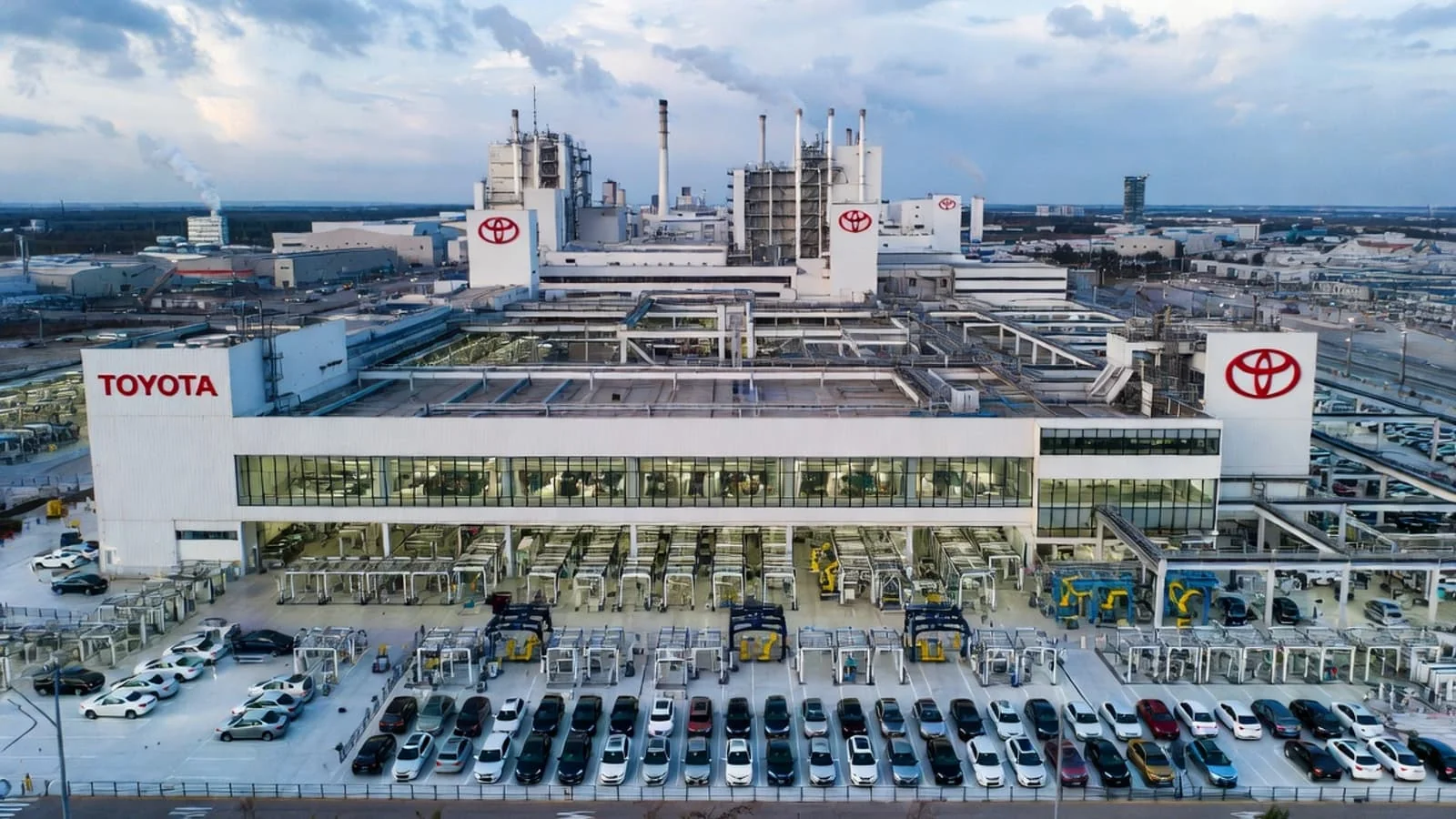
Toyota is set to become the first automaker in its history to produce models designed for the domestic Japanese market abroad and then re-import them into Japan. This was reported by Zamin.uz.
To this end, a special production line is being organized in Taiwan. According to the plan, exports of finished products to Japan will begin in October of this year.
This is reported by industry experts and international publications. The new models being manufactured in Taiwan are the Noah and Voxy minivans, which are technically similar to each other.
Each of these vehicles sells between sixty thousand and eighty thousand units annually in Japan and ranks among the brand’s best-selling models. Currently, demand for these models is very high, and delivery times to customers sometimes exceed one year.
In some cases, order cancellations have been observed due to these delays. Toyota’s management plans to invest additional capital into the auxiliary factory located in northern Taiwan and modernize existing equipment to achieve an annual production capacity of one hundred thousand vehicles.
This output would account for nearly seventy percent of the total sales volume of the Noah and Voxy models in Japan. At the same time, the company’s plants in Japan will continue operating at full capacity, and production volumes will not be reduced.
Company leadership describes the current delays in the delivery process as abnormal and extreme. In their view, prolonged waiting times may push customers to switch to other automobile manufacturers.
Currently, Toyota holds more than fifty percent of Japan’s light vehicle market. Furthermore, the company aims to produce over three million vehicles domestically by 2025.
It is worth noting that Honda previously became the first national brand to adopt the practice of re-importing electric vehicles from abroad into Japan. Toyota hopes that this new strategy will help strengthen its competitiveness in the domestic market and maintain customer trust.
This step is expected to mark a new phase in Japan’s automotive industry, where the use of international production chains begins to expand.