



Tensions in Iran have driven up prices on global markets.
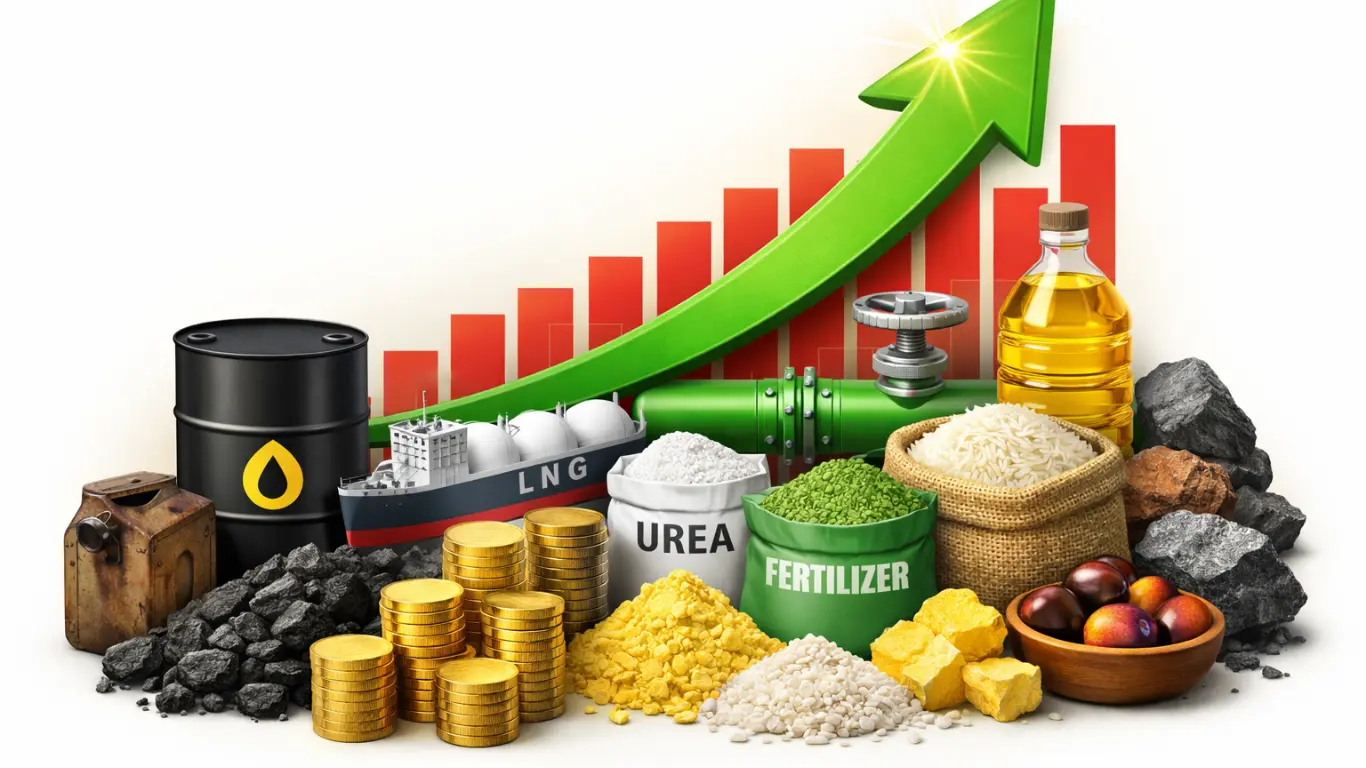
As tensions escalate between the United States and Israel in Iranian territory, prices for various products are rising rapidly on global markets. Zamin.uz reports this.
Economic experts primarily attribute this situation to geopolitical instability and disruptions in global supply chains. According to recent data, the price of natural gas in the European Union has risen by 850 percent.
Meanwhile, fuel oil prices have increased by 800 percent, while Brent crude oil has become more expensive by 540 percent. Changes in the energy market have not been limited to this.
The price of WTI crude oil has risen by 406 percent, gasoline by 44 percent, and diesel fuel by 42 percent. This situation is having a serious impact on the transport and industrial sectors, increasing production costs.
Furthermore, significant growth is also observed in chemical and agricultural products. Urea prices have increased by 48 percent, sulfur by 25 percent, and fertilizers by 23 percent.
This is creating additional pressure on farmers and the food production system. Changes have also been recorded in metal and food markets.
Coal prices have risen by 24 percent, palm oil by 13 percent. Iron ore and rice prices have increased by up to seven percent.
In addition, natural gas prices in the United States have also risen by eight percent. Experts believe that if tensions in the region continue, prices may rise further and have a negative impact on the global economy.
The current situation is increasing uncertainty and concern in world markets, making future economic planning more difficult.