


Tesla has completely disrupted the assembly lines for the Model S and Model X
Tesla, which caused a real stir in the electric transport sector, has decided to retire one of its most famous models and take a step toward the future, Zamin.uz reported.
At its Fremont plant in California, which had been producing the flagship Model S and Model X electric vehicles for over a decade, the conveyor line was completely dismantled into parts, according to company data cited by influential publications.
The company showcased this process in a video titled “End of an Era,” showing how, with the help of heavy machinery, concrete foundations, robotic equipment, and clean conveyor systems were torn apart in just forty-six days.
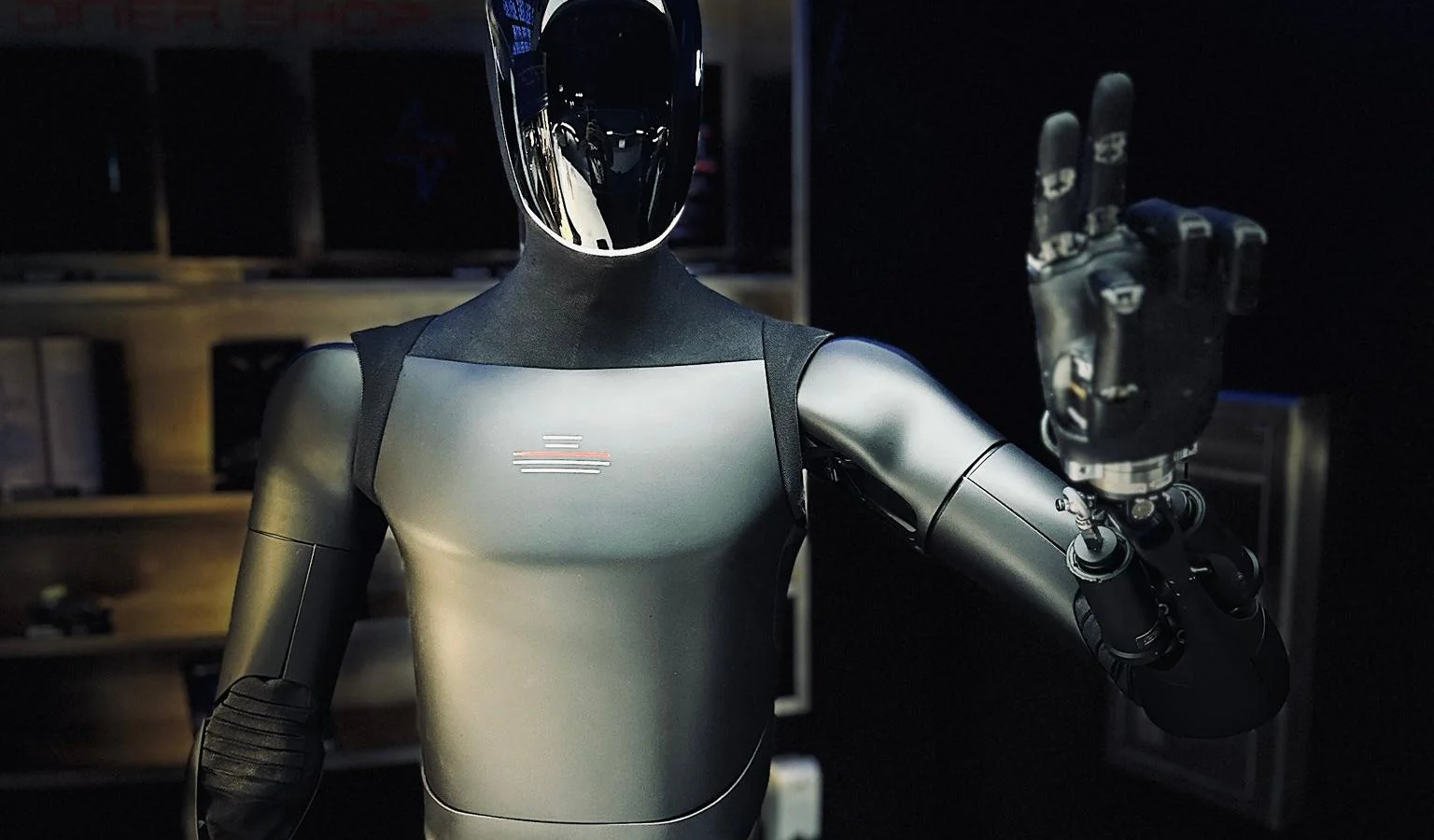
Now, this vast area is being re-equipped for Tesla’s next major project: the production of humanoid robots named Optimus. Tesla CEO Elon Musk called this decision a proud step forward.
The Model S electric car, launched in 2012, proved in practice that electric vehicles could easily compete with high-end internal combustion engine cars. Later, the Model X crossover joined it, becoming one of the brand’s most recognizable symbols thanks to its distinctive falcon-wing doors.
However, in recent years, sales of these premium models have significantly declined compared to the more affordable Model 3 and Model Y variants. Today, it is precisely these mass-market models that form the core of the company’s revenue.
For this reason, Tesla has decided to redirect its resources toward more promising and high-tech directions. According to the company’s plans, mass production of the third-generation Optimus robots is expected to begin in July or August of this year on the renovated site.
Although these robots are currently being produced in small quantities, the company aims to rapidly scale up output. By the end of 2026, robot production could reach tens or even hundreds of thousands of units per year.
Elon Musk considers this project one of the most important directions in Tesla’s history. He believes that in the long term, humanoid robots could bring the company even greater profit than its automotive division and possibly become the most mass-produced product in the world.
These robots are intended to assist humans not only in factories but also in everyday life. In the future, Tesla plans to expand its production capacity at its Texas plant.
There, it is estimated that millions of robots could be produced annually. Thus, the very factory lines that once electrified the world with electric vehicles may now become a central hub driving humanity into the era of robotization.