


Spain begins legalizing 500 thousand immigrants
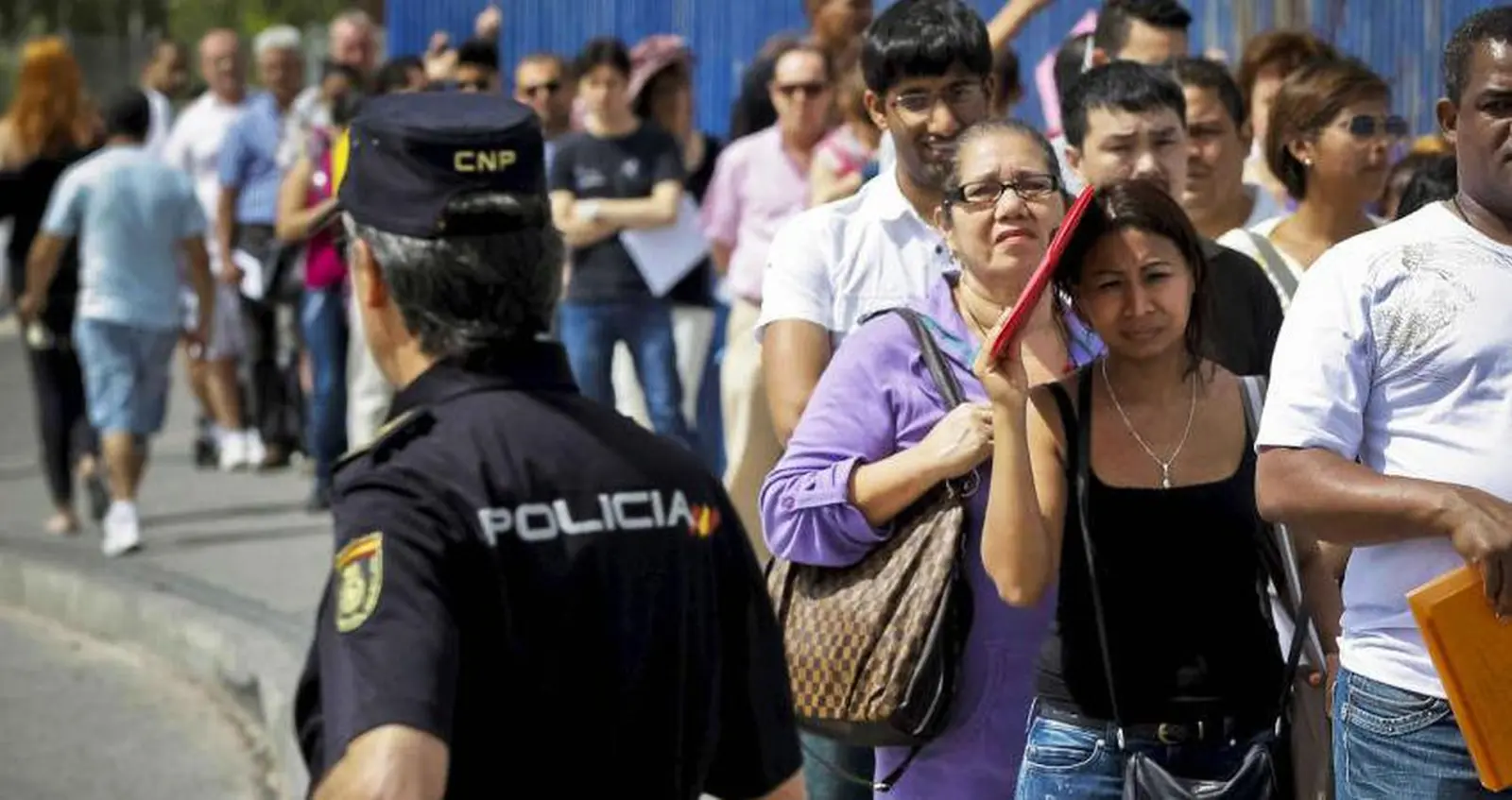
The Spanish government announced that starting from January 27, 2026, it will launch a special legalization program for immigrants living and working illegally in the country. This was reported by Zamin.uz.
According to Elma Sayis, Minister of Integration, Social Security, and Migration, this measure could apply to up to 500 thousand people. This decision will be implemented based on a government decree and bypasses a similar initiative in parliament.
This indicates that Spain has chosen a softer approach in its migration policy compared to other European countries. To benefit from the legalization program, immigrants must have applied for international protection by December 31, 2025, and prove that they have lived in Spain for at least 5 months.
Additionally, they must prove that they have no criminal record. Those who meet these requirements will have the opportunity to obtain a residence and work permit for one year.
The number of people living illegally in Spain is said to reach up to 800 thousand according to various sources. Most of them come from Latin America and Africa and are active in agriculture, tourism, and service sectors.
The government emphasizes that this decision was made to ensure human rights, economic stability, and strengthen integration into society. This is not Spain's first experience with immigrant legalization.
Previously, similar programs were implemented between 1986 and 2005. However, the new decision is significantly more important in terms of scale and political impact.
This initiative has sparked major political debates in the country. Centrist and right-wing opposition parties strongly criticize this decision.
Leader of the People's Party, Alberto Nunes Feijóo, accused the government of trying to change its agenda through this. Santiago Abascal, leader of the Vox party, condemned the decision on social media.
If this decision is implemented, it will be possible to bring a large segment of the workforce currently working illegally in Spain into the legal system. This is important from the perspectives of tax revenues, social security, and labor control.
However, politically, this decision is certain to intensify debates on migration issues. In this way, Spain is becoming one of the key players in migration policy at the European level.