



Scientists revived a 3.2 billion-year-old enzyme
Scientists at the University of Wisconsin-Madison have made a significant scientific discovery in human history. This was reported by Zamin.uz.
Using synthetic biology, they succeeded in reviving in the laboratory the oldest enzyme that existed 3.2 billion years ago. The results of this research were published in the journal Nature Communications and opened new horizons in understanding how life originated on Earth.
The study focused on the nitrogenase enzyme. This enzyme converts atmospheric nitrogen into a form that living organisms can assimilate.
According to Professor Betul Kachar, this enzyme played a crucial role in the emergence of the biosphere and life forms. Using the "reverse evolution" method, scientists modeled the ancient form of nitrogenase based on the structure of modern nitrogenases.
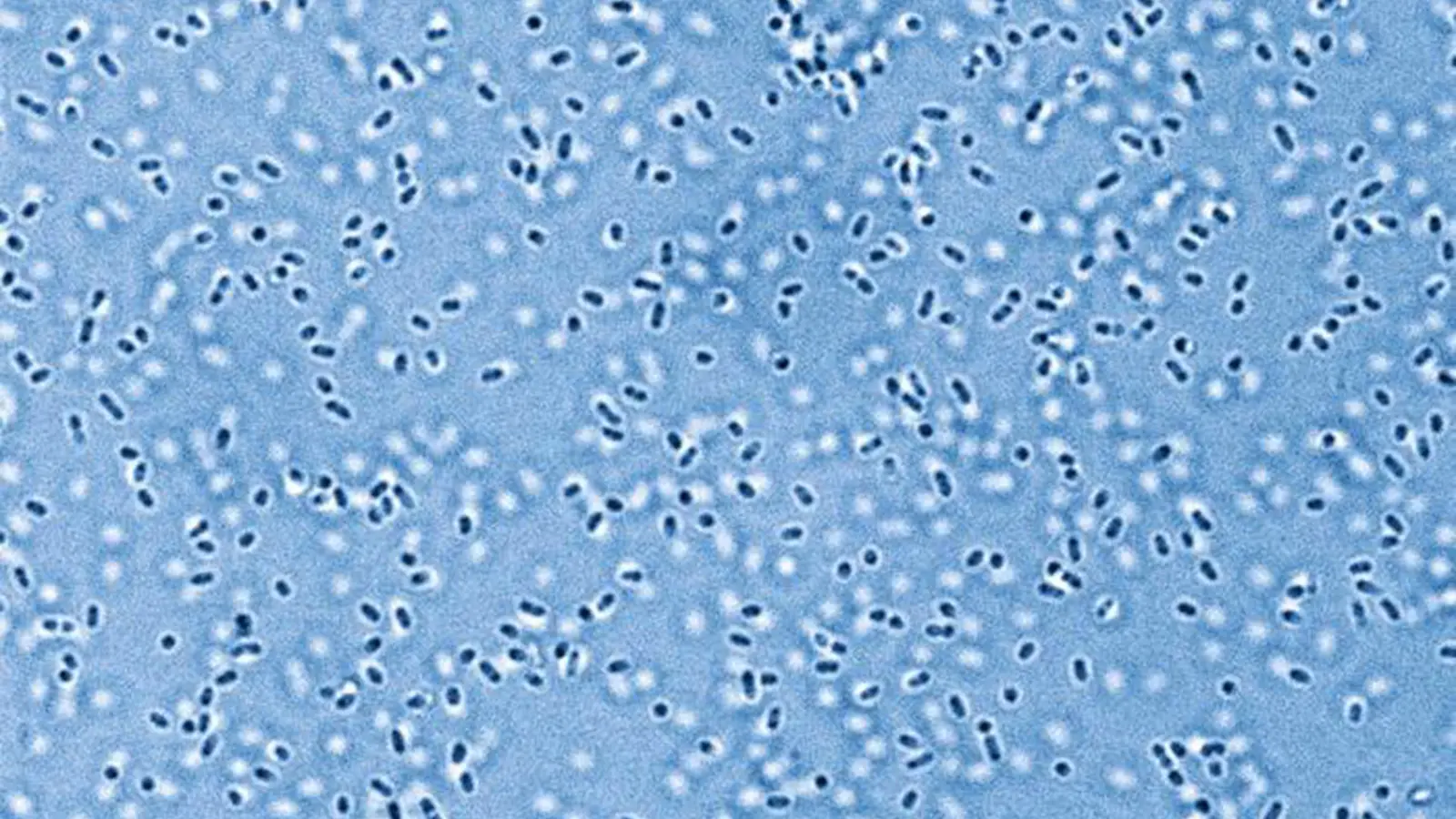
This model was inserted into the genome of living bacteria and tested under laboratory conditions. This research helped to understand how life survived on Earth during a time when there was no oxygen and the atmosphere mainly consisted of methane and carbon dioxide.
Interestingly, although there are significant differences in the DNA structure of ancient and modern nitrogenases, their mechanism of working with nitrogen has remained almost unchanged for billions of years. This confirms that chemical traces in rocks are reliable evidence of biological activity.
This discovery is important not only for studying the past but also for searching for life on other planets. Astrobiologists can now use such chemical markers, or biosignatures, when searching for signs of life in space.
This lays a solid foundation for future scientific research. In your opinion, is searching for life on other planets based on chemical markers the most accurate method, or is the likelihood of finding living organisms higher?