



Oil export through the Strait of Hormuz: Saudi Arabia leads
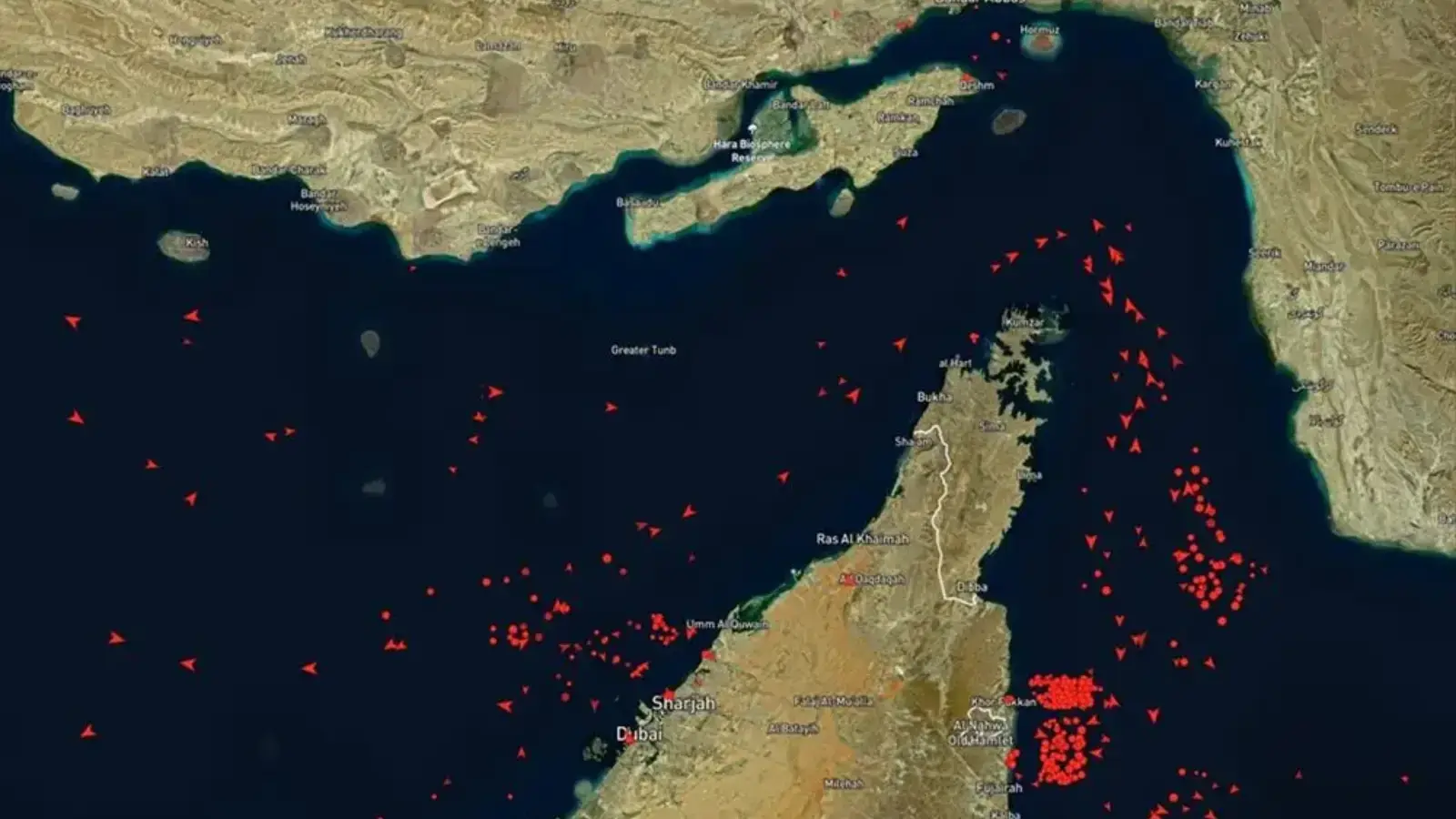
A new infographic clearly shows who is exporting crude oil through the Hormuz Strait and who is receiving these volumes. This was reported by Zamin.uz.
This data was provided by the U.S. Energy Information Administration and pertains to the first quarter of 2025. The Persian Gulf countries are the main suppliers of oil flows passing through the Hormuz Strait.
Saudi Arabia holds the largest share — 37.2 percent. Following are Iraq (22.8 percent), the United Arab Emirates (12.9 percent), Iran (10.6 percent), and Kuwait (10.1 percent).
These five countries control 93.6 percent of the crude oil volumes passing through Hormuz. These figures demonstrate how dependent the global oil market is on production in the Persian Gulf.
Tensions in the Middle East and Iran's statements about readiness to attack ships passing through the strait increase the risk. If the Hormuz Strait is blocked, panic in the market, price fluctuations, and logistical problems may arise.
This route accounts for over 20 percent of the world's oil flows and is a crucial part of the global oil system. The demand side mainly consists of Asian countries.
89.2 percent of the oil passing through Hormuz is delivered to Asia. If there is a disruption in the strait, the biggest impact will be on Asian economies.
In the first quarter of 2025, China (37.7 percent), India (14.7 percent), South Korea (12 percent), and Japan (10.9 percent) were recorded as the largest recipients. China and India together receive more than half of the oil, so any disruption in the strait would put significant pressure on their economies.
In conclusion, the Hormuz Strait holds global importance for oil. If it remains open, the market is stable, but if it is closed, prices, logistics, inflation, and production chains could instantly be shaken.
The figures indicate that Asia is likely to bear the heaviest part of this risk.