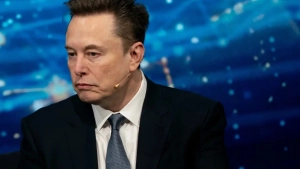



Trump emphasized that he is on the verge of surrendering.
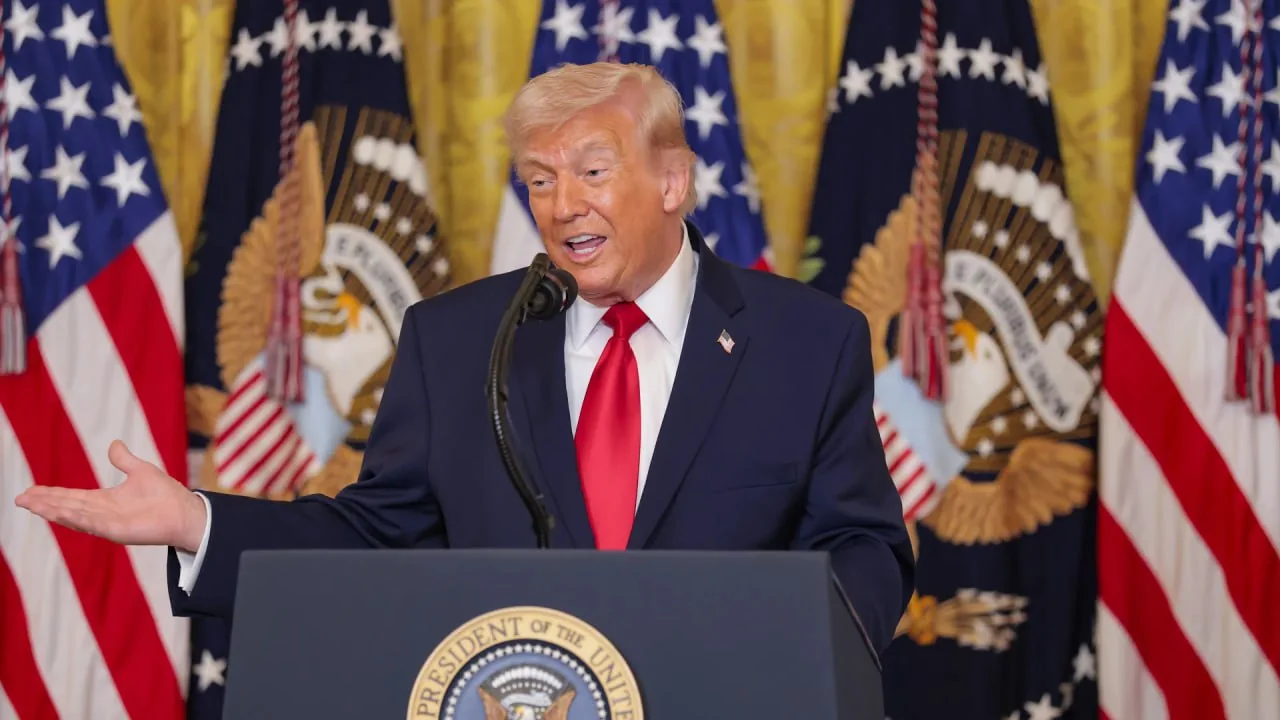
At a recent virtual summit of G7 leaders, US President Donald Trump emphasized that Iran is on the verge of surrender. Zamin.uz reported this.
According to information provided by Axios, citing three officials familiar with the negotiations, Trump expressed high confidence that the ongoing conflict would end soon. He assessed the situation as a victory against what he called a regional threat of cancer.
Nevertheless, despite his optimistic rhetoric, the President acknowledged a significant diplomatic obstacle. The absence of a clear leadership structure in Tehran capable of formalizing surrender is leaving the US without a specific partner for negotiations.
This situation could complicate future agreements. The geopolitical landscape changed sharply just twenty-four hours after Trump's statement, when Iran's new supreme leader, Mojtaba Khomeini, delivered his first televised address.
Unlike the President's assessment, Khomeini expressed firm commitment to continuing the conflict. He promised revenge for Iranian martyrs and warned of new fronts opening up.
Specifically, he highlighted plans to increase pressure on the strategically important Strait of Hormuz. This statement directly contradicts the narrative of Iran's inevitable collapse and further exacerbates instability in the region.
G7 leaders, including German Chancellor Friedrich Merz, British Prime Minister Keir Starmer, and French President Emmanuel Macron, called on President Trump to bring military operations to an end sooner. Their primary concern remains stabilizing the Strait of Hormuz, a vital artery for global energy supplies.
Although Trump emphasized that the situation is improving and commercial shipping will resume soon, the reality on the ground remains dangerous. Reports of attacks on at least two oil tankers near the Iraqi coast have cast doubt on the administration's optimistic forecasts regarding maritime security.
Beyond direct military confrontation, the summit highlighted deep concerns among European allies regarding the broader consequences of the conflict, particularly Russia's potential to exploit instability. As global energy markets react to uncertainty, diplomatic maneuvers have intensified.
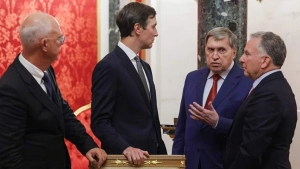
On the same day as the G7 meeting, Russian special envoy Kirill Dmitriev held talks in Florida with Trump advisors Steve Witkoff and Jared Kushner to resolve the approaching energy crisis. Shortly thereafter, the US Department of Treasury announced a relaxation of one-month temporary sanctions on Russian oil, specifically targeting transit shipments.
This step aimed at stabilizing global energy markets reflects the complex balance the US must manage between military confrontation in the Middle East and the need to maintain global economic equilibrium. As of March 2026, the situation remains fluid, and international observers are closely monitoring the interplay between military pressure and diplomatic solutions.