The War in the Middle East Has Become an Unexpected Crisis for the White House
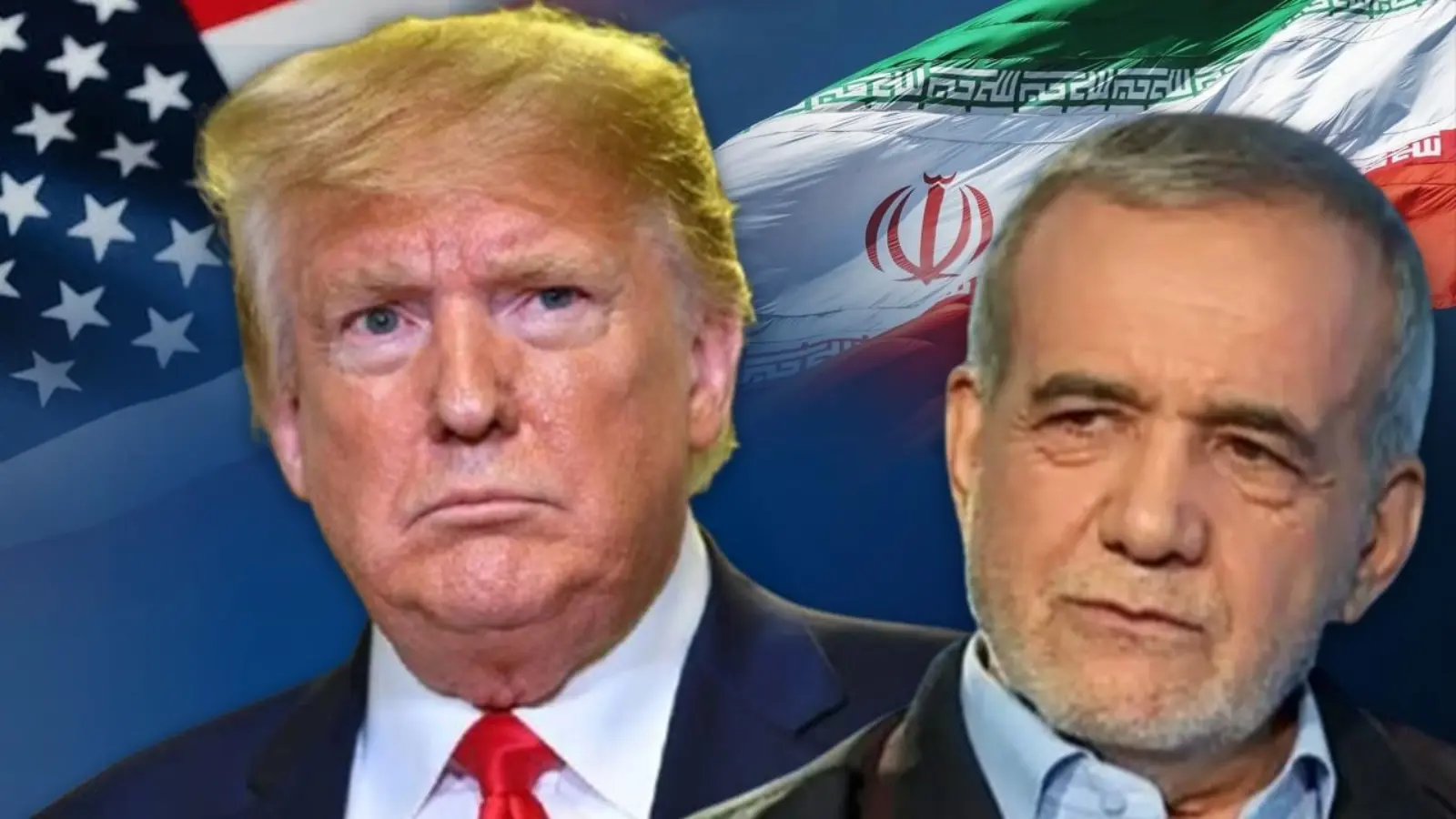
As the armed conflicts in the Middle East approach the thirty-day mark and enter the third week, White House leader Donald Trump seems to have found himself in an unexpectedly complex geopolitical situation. This was reported by Zamin.uz.
Since the initial plans for the war did not unfold as expected, the political struggle between Washington and Tehran has entered its most dangerous phase. The Zamin publication deeply analyzes three important questions at the center of the world's attention and the difficult choices facing the president.
The war in the Middle East has not been as short and easy as was said. Iran is responding adequately to the intense attacks by the US and Israel.
Now, the White House administration must make tough decisions not only on the battlefield but also regarding economic and nuclear security. The Strait of Hormuz, which supplies one-fifth of the world's oil and gas flow, is currently under complete Iranian control.
Tehran is not only attacking tankers but has effectively closed the waterway by disabling GPS systems. The rise of oil prices above $100 is causing concern for Trump.
His call for military aid from NATO and Asian allies has been almost fruitless. Allies are currently unwilling to engage in a large-scale war.
90 percent of the raw materials exported by Iran pass precisely through Khark Island. The US military plans to financially cripple Tehran by seizing this strategic point.
An army of 50,000 is ready around the island, and the US plans to send another 5,000 marines. This move will directly provoke bloody clashes between US soldiers and the Iranian Islamic Revolutionary Guard Corps.
The issue causing the greatest concern in Washington is the 435 kilograms of enriched uranium in Tehran's possession. This material is stored in underground tunnels in Isfahan.
The goal is to remove the uranium from the country after the war to prevent Iran from quickly developing nuclear weapons. Such an operation could cause not only military but also ecological disaster.
So far, Trump has not reached a final decision on this matter. Do you think Trump can solve the Hormuz problem without allies?
Will the capture of Khark Island, the heart of Iran's oil, stop the war or ignite it further? The answers to these questions will determine the future.