


US and Iran Expected to Hold Talks in Islamabad
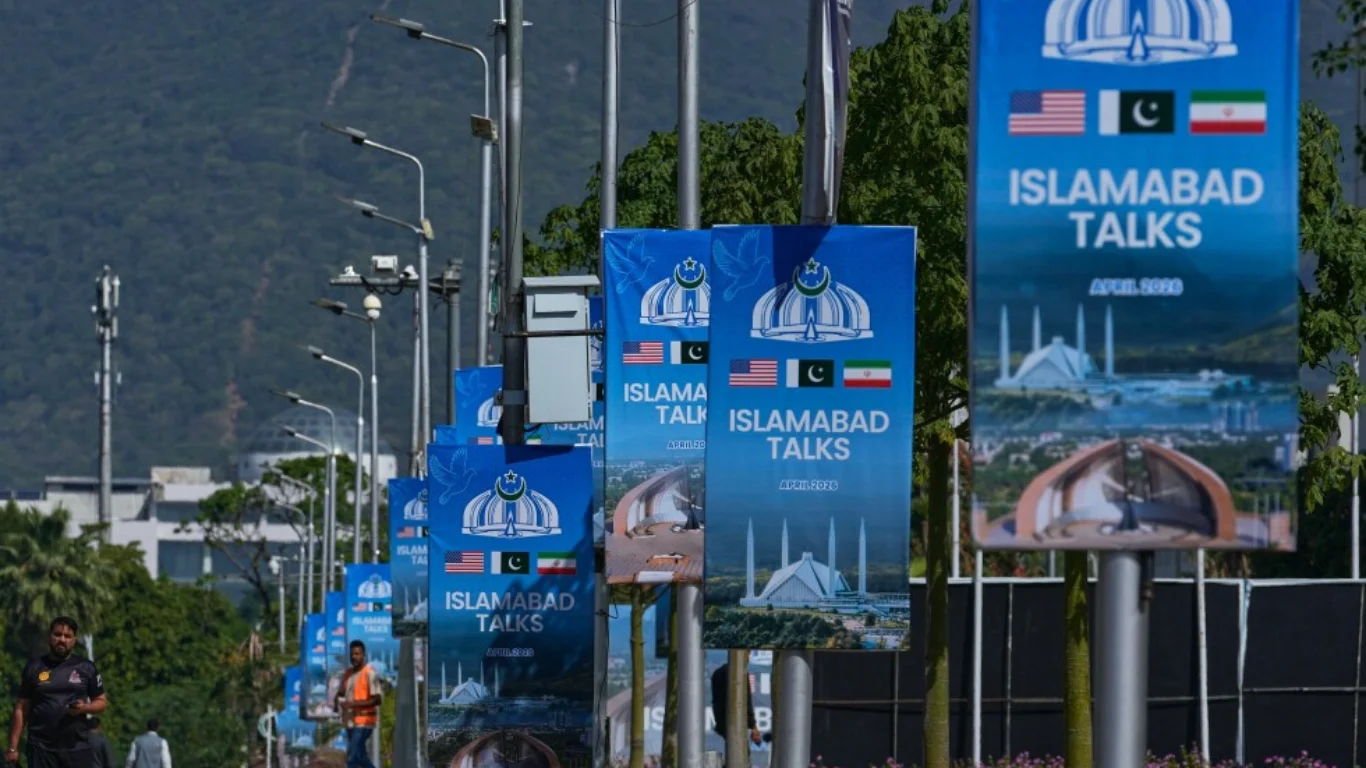
A new phase of direct dialogue between the United States and Iran is expected to begin. According to Zamin.uz, this significant meeting could take place on April 27 of this year.
This diplomatic process is attracting great interest on the international stage, as it is seen as a serious step toward easing long-standing tensions in the Middle East. Reports suggest that Islamabad, the capital of Pakistan, is highly likely to be chosen as the venue for the negotiations.
The main agenda is expected to include the reassessment of bilateral relations and issues of regional security and stability. Diplomatic sources emphasize that organizing this meeting is of strategic importance for both parties.
This information was disclosed by Axios journalist Barak Ravid. He noted that the planned meeting is intended to include Iranian Foreign Minister Abbas Araghchi and high-ranking representatives of the US administration.
Dialogue at this level has been rare in recent years, signaling that both sides are seeking points of mutual agreement. Furthermore, preparatory processes ahead of the main negotiations are expected to be intensive.
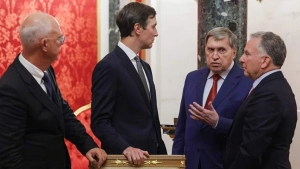
Specifically, there are speculations regarding separate meetings mediated by Pakistan involving Donald Trump's advisor Jared Kushner and special envoy Steve Witkoff. Such preliminary dialogues are meant to lay the groundwork for the main talks and clarify the positions of the parties.
While officials from both countries have not yet provided final confirmation, diplomatic circles view this initiative as the only way to de-escalate the tense situation in the region. However, it is clear that the process will not be easy.
Previously, the Iranian side indicated an unwillingness to compromise on certain issues, suggesting that the negotiations will be complex and contentious. The international community is watching the date of April 27 with great hope and attention.
If this meeting indeed takes place and yields positive results, it could usher in a new era not only in bilateral relations but also in the entire political landscape of the Middle East.