India Bans Smartphone Use in Tiger Reserves
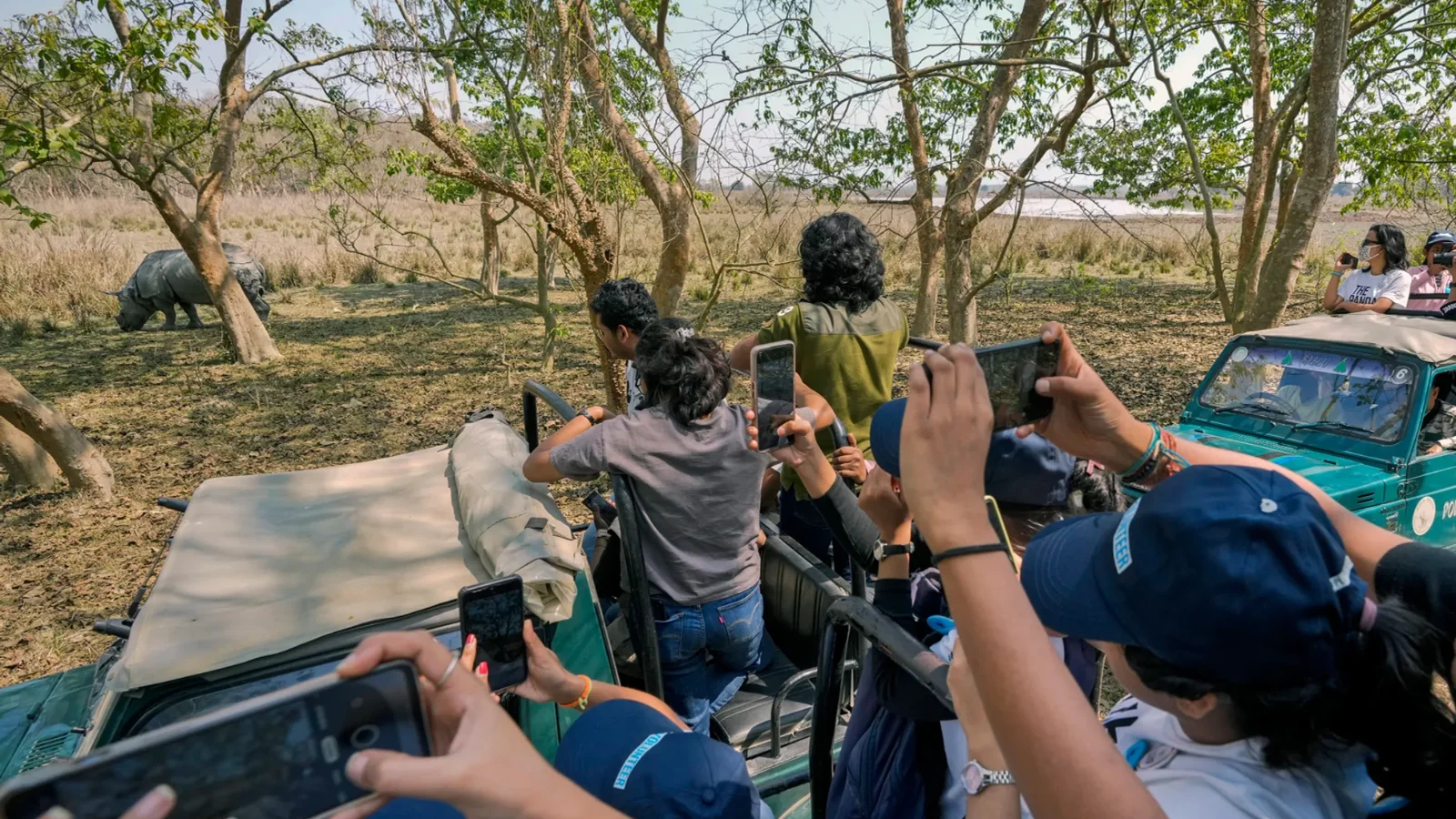
The desire to capture unforgettable moments in the wild is increasingly posing a serious threat to the lives of both humans and animals. Following instances of tourist irresponsibility, the Indian government has taken drastic measures by banning the use of smartphones in tiger reserves.
In November 2025, the Supreme Court of India issued a landmark ruling stating that visitors to tiger reserves will no longer be allowed to use mobile phones during safaris. The primary reason for this ban is tourists' excessive obsession with photography, which not only endangers visitors and guides but also causes significant psychological stress to wild animals.
A recent incident at Ranthambore National Park in Rajasthan highlighted the necessity of this decision. Viral social media footage showed several safari vehicles surrounding a tiger and blocking its path.
The frightened animal appeared disoriented in front of the tourists' cameras. Unfortunately, such incidents had become commonplace in India.
Experts point out that the passion for photography often leads to dangerous consequences. For instance, tourists accidentally drop their phones, forcing guides to exit vehicles near tigers to retrieve the devices.
There have even been reports of young children falling out of vehicles while their mothers were preoccupied with taking photos, despite predators being only a few steps away. India is home to the majority of the world's Bengal tigers, with a population of over 3,600, accounting for 75% of the global total.
Although their numbers have doubled since 2010, the species remains endangered. Furthermore, the rise of safari tourism has led to human fatalities, with 418 people killed by tiger attacks in the last five years.
Such strict conservation measures are not limited to India. Kenya has increased penalties for tourists obstructing wildebeest migrations, and Svalbard has strictly prohibited approaching polar bears within 300 meters.
Now, before entering Indian reserves, tourists will be required to leave their phones in designated storage areas to ensure both nature's balance and human safety.