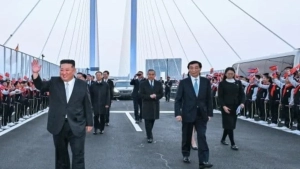



Trump and China failed to reach an agreement on the Strait of Hormuz issue
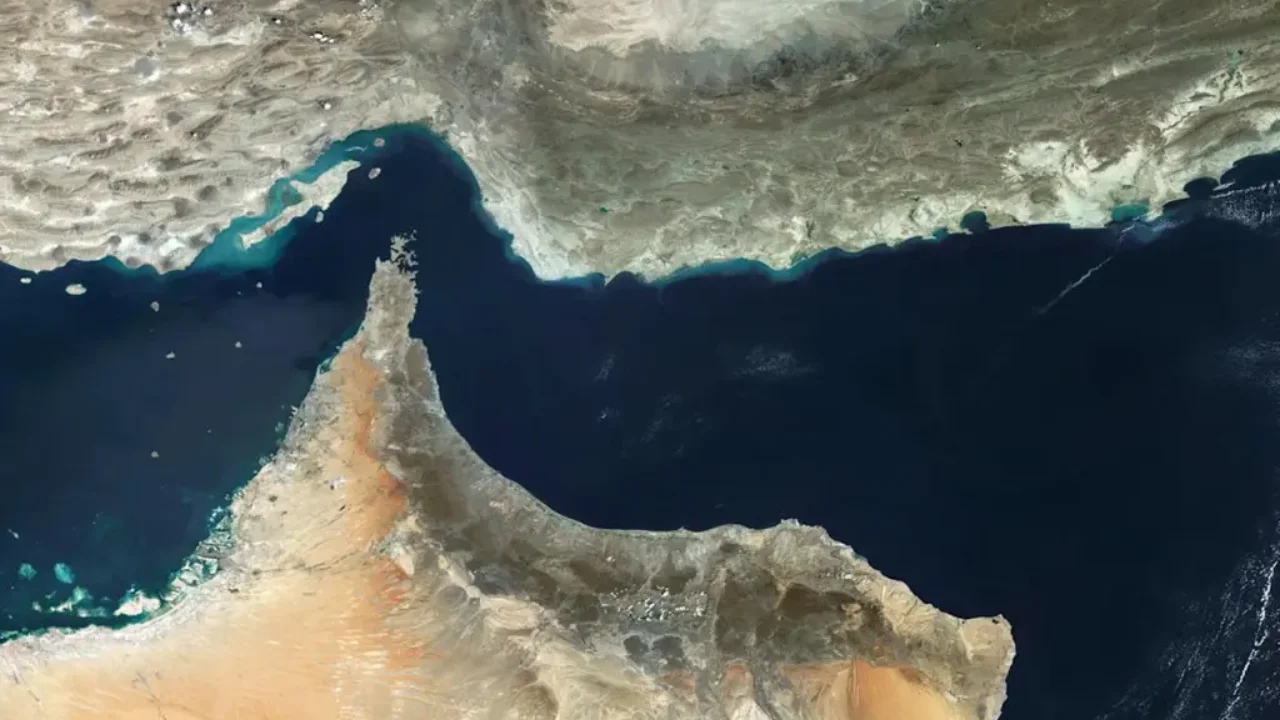
During US President Donald Trump's visit to the People's Republic of China, discussions were held on opening the Strait of Hormuz and ensuring its security, Zamin.uz reported.
However, according to influential publications, these talks did not yield the clear and positive results that were expected. The Iranian government continues to show no intention of relinquishing control over this strategically important waterway.
Iranian President Masoud Pezeshkian emphasized in his statement that the country will continue to implement effective and professional control mechanisms in the Strait of Hormuz. This indicates that Tehran is striving to maintain its influence over this vital trade route, even if military activity in the region subsides.
Given the vital importance of the flow of energy resources through the strait for the global economy, Iran's position is causing concern in the international community. At the same time, Chinese Foreign Minister Wang Yi stressed the need for the Strait of Hormuz to operate at full capacity as soon as possible and for the safety of shipping to be ensured.
Although Beijing and Washington appear to be seeking common ground on this issue, practical results have yet to emerge. The Chinese side has repeatedly criticized the actions of the United States and Israel toward Iran.
Despite Trump and Xi Jinping's efforts to present a unified stance on Middle Eastern affairs during their meeting, deep-seated disagreements between the sides persist. Meanwhile, the threat of attacks on vessels has led to a sharp decline in maritime traffic through the Strait of Hormuz.
According to monitoring sources, only five vessels passed through the area in the last 24 hours—a figure far below the usual level, causing serious damage to international trade and logistics systems.
Stabilizing the situation requires not only an agreement among major powers, but also mutual trust among all parties in the region.