


An ancient city dating back to the Byzantine era has been found inside the Misr Dakhla oasis.
Recent archaeological excavations in Egypt have uncovered unique artifacts and antiquities reflecting various periods of the country's history, according to Zamin.uz.
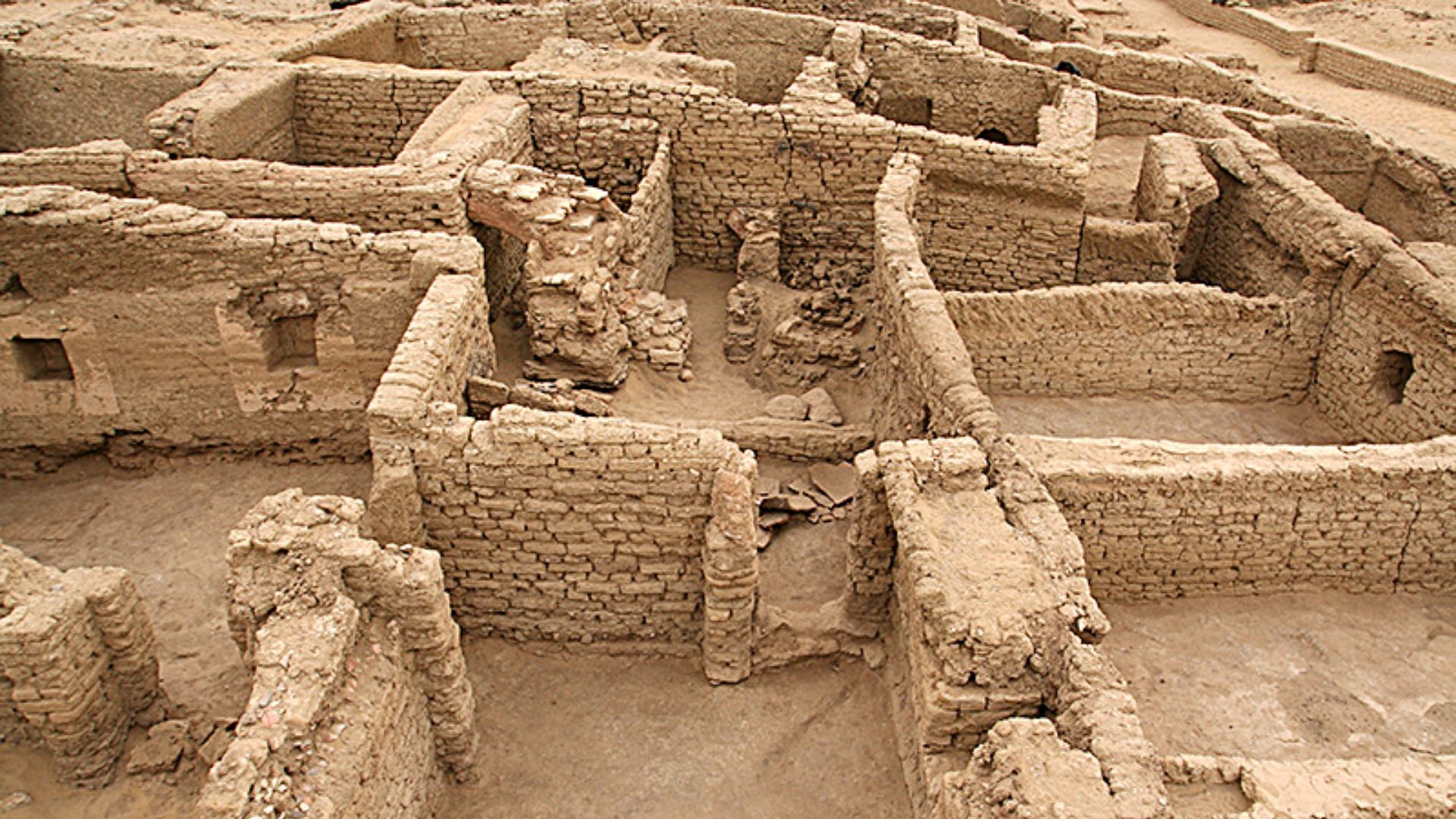
In the Dakhla Oasis, located in Egypt's western part in the Libyan Desert, archaeologists discovered the remains of an ancient city dating to the Byzantine period, specifically the fourth century AD. At the same time, eighteen ancient tombs were uncovered in the Marina-el-Alameyn area near Alexandria.
This information is being reported by international news agencies based on data from Egypt's Ministry of Tourism and Antiquities. During excavations in the Dakhla Oasis, a city layout with streets intersecting in north-south and east-west directions was revealed.
Archaeologists identified places of worship, two watchtowers, fortified defensive walls, and the foundations of domed residential buildings along the central streets. Researchers believe that some structures in the area originally served as churches and were later expanded into larger places of worship.
This reflects the development of religious life during that period. During the excavations, ovens used for baking bread, household items, and stone tools for grinding grain—indicative of the daily life of the population—were also found.
Among the most valuable finds for archaeologists are bronze coins depicting Byzantine emperors, inscribed with Latin text and religious symbols. Additionally, gold coins from the reign of the Roman Emperor Constantine II were discovered in excellent condition.
These items provide important information about economic relations and monetary transactions of the time. Of the eighteen tombs discovered in the Marina-el-Alameyn area, eight were carved into rock, while ten were built above ground.
From these graves, archaeologists recovered ceramic vessels, lamps, altars, and sarcophagi made of limestone. Notably, four gold coins placed in the mouths of the deceased—according to burial customs—and skeletal remains found inside a large granite sarcophagus attracted significant interest from specialists.
Furthermore, fragments of a sphinx statue made of plaster were also among the discoveries. Experts emphasize that these new findings will contribute to a deeper study of urban planning, social life, and burial customs during the Byzantine and Roman rule in Egypt.
The discovered artifacts undoubtedly enrich the field of history with new data, not only as part of Egypt's heritage but as an integral component of world cultural heritage. Scientific and research work in the area is currently ongoing.