


Switzerland's glaciers are melting rapidly due to warm weather
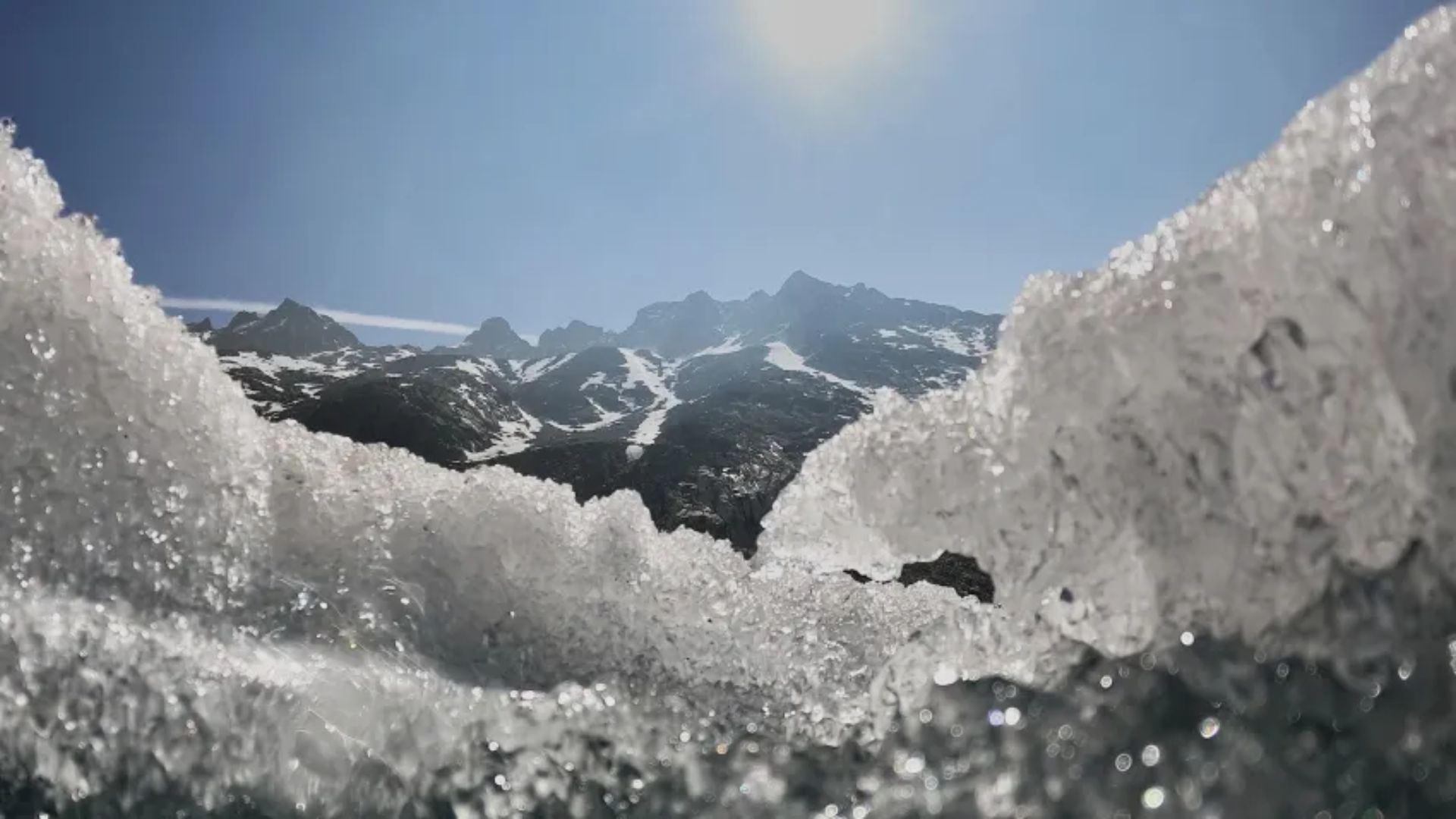
Abnormal heatwaves observed on the European continent are causing glaciers in the Swiss mountains to melt much longer and faster than usual. Zamin.uz reported on this.
Experts are expressing serious concern that this situation could lead to another major loss of glacier mass in the Alps mountain range. International news agencies reported this based on the conclusions of scientists.
According to the latest data, the Rhône Glacier in southern Switzerland reached a specific critical point at the end of June this year. Scientists call this period the glacier loss phase.
This process means that the snow layer accumulated during the winter has completely melted, and the direct melting of centuries-old ice layers has now begun. Observations show that this year's melting process was recorded as the second earliest indicator by historical measurements.
An even earlier situation was observed only two years ago. Matthias Huss, head of the Swiss glacier monitoring service, noted that low precipitation during the winter season and the scorching heat that began from the first days of summer have further aggravated the situation.
According to his calculations, the amount of meltwater during the hot days of June reached an astonishing level. For two weeks, an amount of ice equivalent to filling a huge swimming pool turned into water every six seconds.
In some parts of the Rhône Glacier, an ice layer one and a half meters thick disappeared as a result of just two weeks of heat. These negative changes are clearly noticed not only by scientists but also by tourists who regularly visit the area.
People who have visited this place for many years describe with deep sadness how the glaciers are shrinking and disappearing before their eyes. Such rapid contraction of glaciers is the most obvious and worrying evidence of climate change.
If the air temperature remains high in this manner, Swiss glaciers are inevitably destined to suffer record losses this year as well. This will seriously affect not only the natural landscapes but also the water reserves of the entire region.