A woman died in a train crash in the US
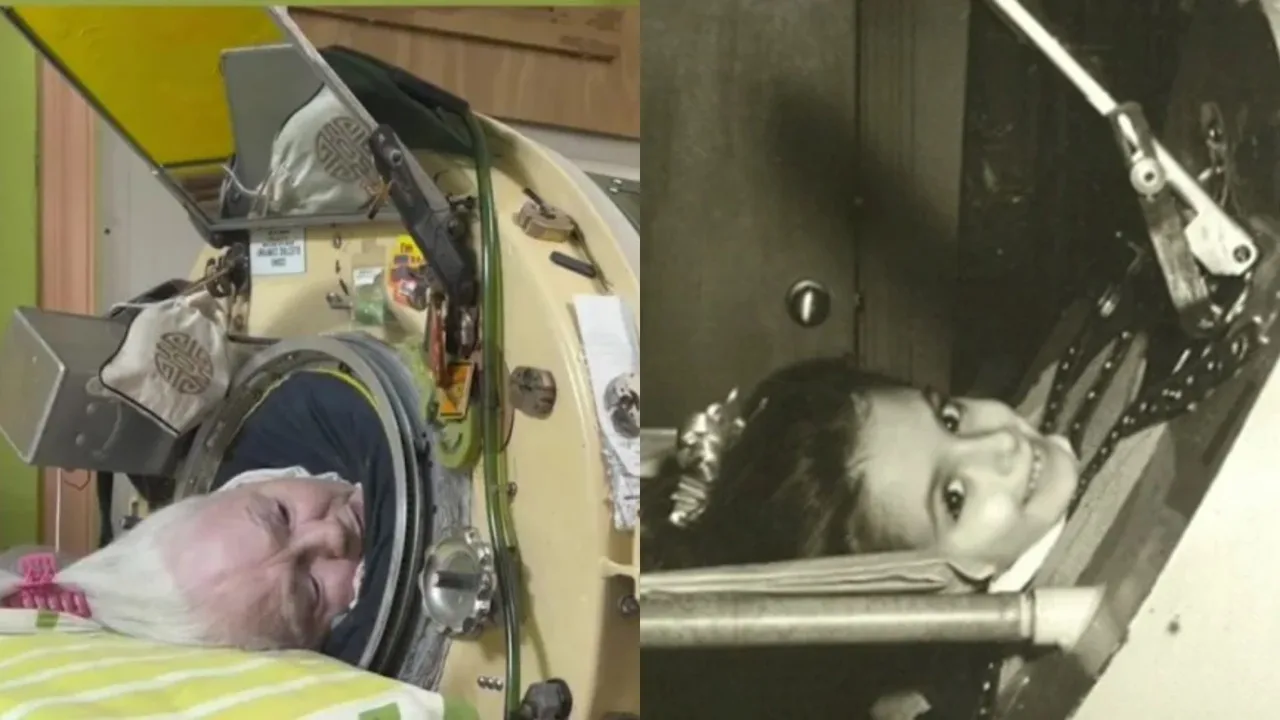
One of the last people in the United States to live for many years with the help of an iron lung, Martha Lillard, passed away at the age of 78. This was reported by Zamin.uz.
After contracting polio in childhood, she spent nearly seventy years breathing inside this very device. Despite the widespread availability of modern and compact artificial ventilation technologies in medicine, Martha preferred to rely on this massive machine until the end of her life.
Marta Lillard fell seriously ill in 1953, when she was just a five-year-old girl. At that time, a polio epidemic was sweeping across the United States, severely affecting the health of thousands of people.
The infection paralyzed her respiratory muscles, depriving her of the ability to breathe independently. To save the girl’s life, doctors decided to use the iron lung — considered the most advanced technology of the era.
This device resembles a hermetically sealed metal chamber from the outside. Its operation is based on creating negative pressure inside, which causes the lungs to expand and forces artificial breathing.
Later, medical science advanced significantly, and more convenient and lightweight devices were developed for patients. However, Martha emphasized that she felt safe only inside the iron lung and refused to replace it with newer technologies.
In one of her interviews, she explained this choice by her love for life. Marta understood that this machine had preserved not only her breath, but her entire being.
As a child, she spent almost all her time inside the apparatus, which is why she was allowed to attend school for only one hour a day. As her health gradually stabilized over the years, she began to move independently during the day and used the iron lung mainly at night for sleep.
However, in the final period of her life, the global coronavirus infection dealt a severe blow to her weakened body. Due to the effects of the illness, Marta was again forced to spend the entire day inside the iron lung.
Using the outdated and rare equipment also brought its own difficulties. For example, finding spare parts was a challenge, and power outages repeatedly put her life at risk.
Despite this, she continued to live with resilience. Marta Lillard was not only a person fighting her own suffering, but also a valuable member of society.
She volunteered in animal protection organizations, worked in children’s centers, and helped those in need through hotlines. Moreover, she engaged in creative pursuits — writing poetry, drawing, and even composing musical pieces.
Her passing marks the closing of a chapter in over a century of medical history.