Argentina became the first country to consider genetically modified fish as living organisms
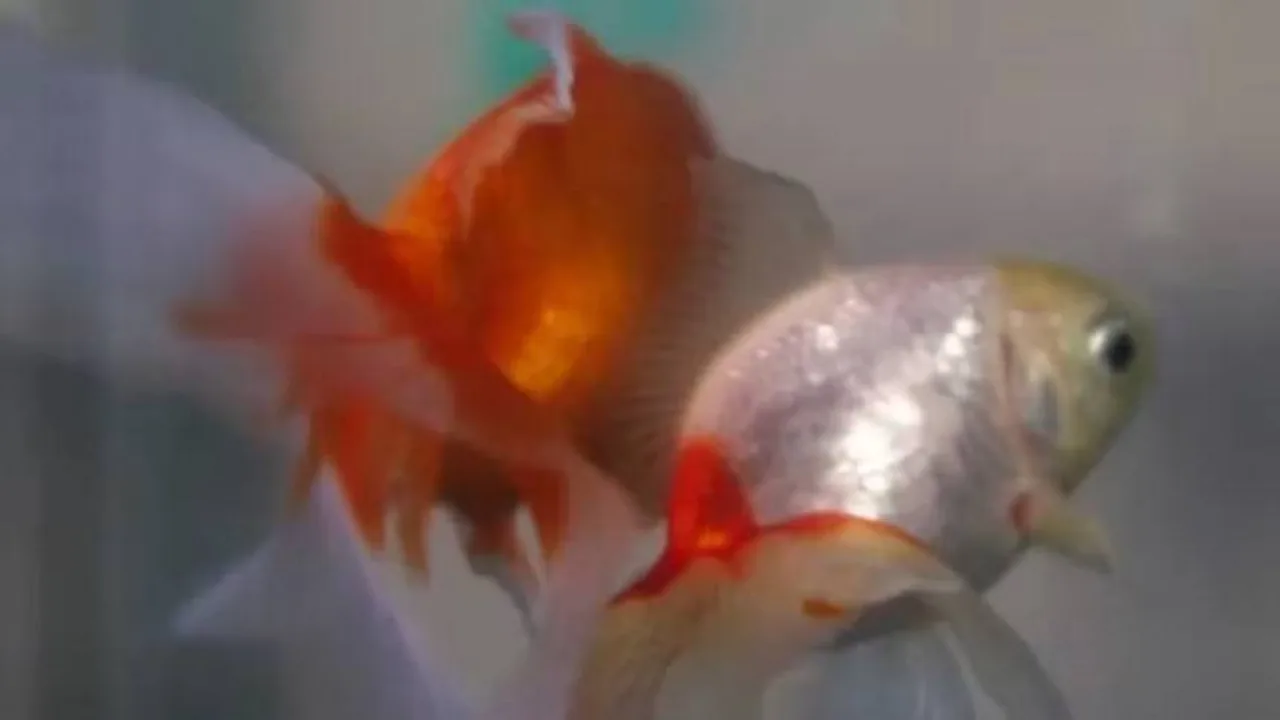
An unprecedented and historic event has taken place in Argentina regarding the protection of animal rights, as reported by Zamin.uz.
For the first time, the country’s judicial authorities recognized two goldfish named Fede and Magi not only as legal subjects but also as living beings entitled to their own feelings. This unexpected ruling has sparked widespread debate not only across South America but throughout the global community.
According to reports, these goldfish were kept in a display case at a sushi restaurant in Buenos Aires, confined to a cramped and unsuitable aquarium exposed directly to sunlight—conditions deemed absolutely inadequate for the animals’ survival, prompting sharp criticism from the public and activists.
It was established that keeping the fish in such conditions posed a serious threat to their health. In response, an influential animal protection organization intervened, filing a lawsuit with the court.
The lawsuit emphasized that the conditions in which the fish were held directly violated national laws prohibiting cruel treatment of animals. After carefully reviewing the case documents, the judge issued a ruling ordering the immediate transfer of Fede and Magi to a safe environment.
Most significantly, the court recognized the fish not merely as human property, but as living beings capable of experiencing pain and discomfort. To ensure the ruling was enforced, the two fish were moved from a small 40-liter container into a spacious, modern 2,500-liter aquarium.
Currently, they are under specialist supervision, living in a suitable environment where all necessary conditions have been created. Experts clarify that keeping fish in an aquarium is not illegal in itself.
However, confining animals in cramped spaces, without adequate space or oxygen, and in unsuitable conditions, constitutes cruelty. Environmentalists and legal experts believe this ruling will serve as an important precedent in international judicial practice concerning animal rights protection.
This event is expected to strongly encourage society to reconsider its attitude toward animals and to strengthen responsibility toward nature. Today, not only land-dwellers but also representatives of the underwater world have the right to a dignified life protected by law.