



Medicines are sold only with an electronic prescription
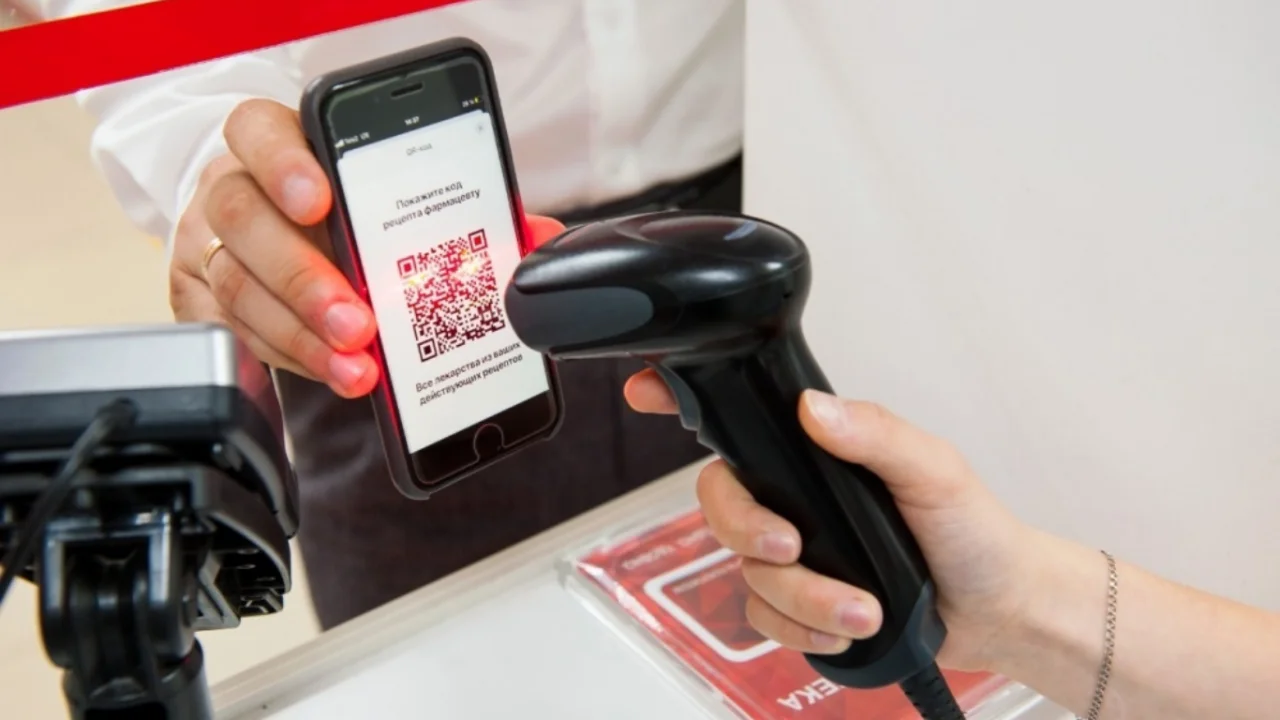
Starting from December 10, 2025, a new procedure for the sale of medicines was introduced in Tashkent city and some regions. This was reported by Zamin.uz.
From now on, more than 13,000 medicines will be dispensed only based on a doctor's prescription. This list includes antibiotics, hormonal and psychotropic drugs, as well as medical alcohol.
Within the framework of these reforms, the "Electronic Prescription" system — the DMED digital information platform — was launched. According to the Cabinet of Ministers' decision, this system will initially be applied on a trial basis in Tashkent and 15 other regions.
By the end of 2026, all hospitals and pharmacies will be connected to the system, and from the beginning of 2027, it will be fully implemented throughout the country. Medicines prescribed by doctors will be officially documented in electronic form and entered into the "Electronic Prescription" module.
Prescriptions are prepared in accordance with international standards, except for potent and psychotropic substances. The process of obtaining an electronic prescription is as follows: the patient visits the doctor, the necessary treatment direction is determined, the information is entered into the electronic medical record, and it is formalized based on a QR code.
Based on the prescription, the patient obtains the required medicines from pharmacies. Electronic prescriptions contain all information about the doctor and patient, including the patient's personal identification number, diagnosis, medicine name, and usage instructions.
The system covers only medicines registered in Uzbekistan. Pharmacists enter the medicine's serial number and expiration date into the system, and doctors monitor them online.
According to the new procedure, electronic prescriptions will not be issued for medicines without medical indications or those not registered in the country. Also, anesthetic agents will not be dispensed electronically.
Control is carried out by the Ministry of Health and regional departments, while processes in pharmacies are monitored by the Pharmaceutical Safety Center. As of December 9, 2025, 12,817 medicines are registered in the country, all of which will be dispensed based on electronic prescriptions.
This list includes antibiotics, hormonal and psychotropic drugs, as well as medicines such as analgin, diclofenac, ascorbic acid, ethyl alcohol, and lidocaine. The Ministry of Health emphasized that the new system will reduce illegal prescriptions, limit the excessive use of medicines, and ensure transparency in the pharmaceutical market.
At the same time, the ability to detect smuggling and illegal medicines will also increase.