


The Conflict Between Iran and the United States: Its Historical Causes
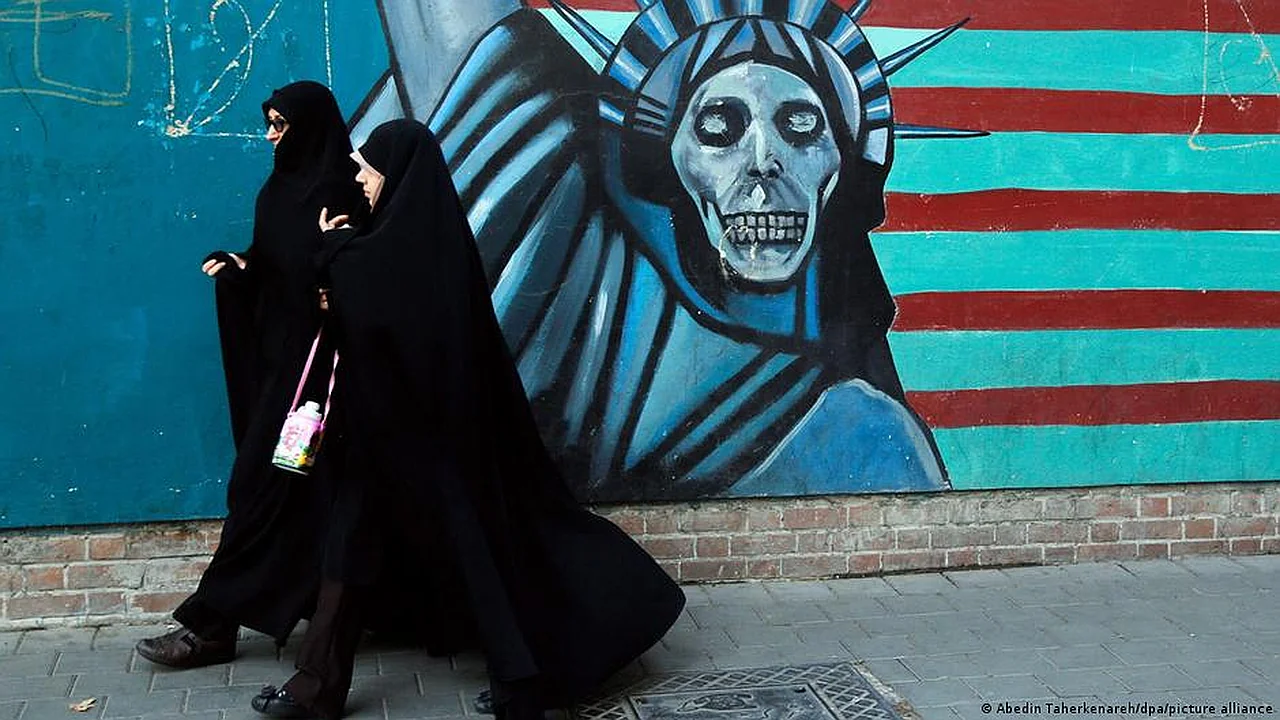
The war that intensified on February 28th and involved the United States, Israel, and Iran did not begin overnight. This was reported by Zamin.uz.
Analysts emphasize that the current hostilities are the result of competing national perspectives shaped around decades of distrust, political wounds, and several pivotal events in modern history. News sources worldwide are providing an in-depth analysis of this issue.
One of the main turning points occurred in 1953. After Iranian Prime Minister Mohammad Mossadegh nationalized the country's oil industry in 1951, a coup supported by the US Central Intelligence Agency and British intelligence removed him from power and helped restore Shah Mohammad Reza Pahlavi to the throne.
For many Iranians, this event became the most vivid proof that foreign powers had suppressed democracy to protect their own interests. The second decisive moment was the Islamic Revolution of 1979.
The growing anger against the Shah's rule, which was widely seen as tyrannical and supported by Washington, led to the collapse of the monarchy and the rise to power of Ayatollah Ruhollah Khomeini. The newly formed Islamic Republic adopted a sharply anti-American ideology, which continues to strongly influence Iran's leadership and state institutions, including the Islamic Revolutionary Guard Corps.
For Americans, the deepest memory is the hostage crisis that lasted from 1979 to 1981. At that time, militants seized the US Embassy in Tehran and held sixty-six Americans captive.
The attackers stated that their goal was to prevent further foreign intervention. These events, along with the long-standing dispute over Iran's nuclear program, further exacerbated relations on both sides and created a solid foundation for the war that continues today.