



The US Relaxed Restrictions on Iran's Oil Exports
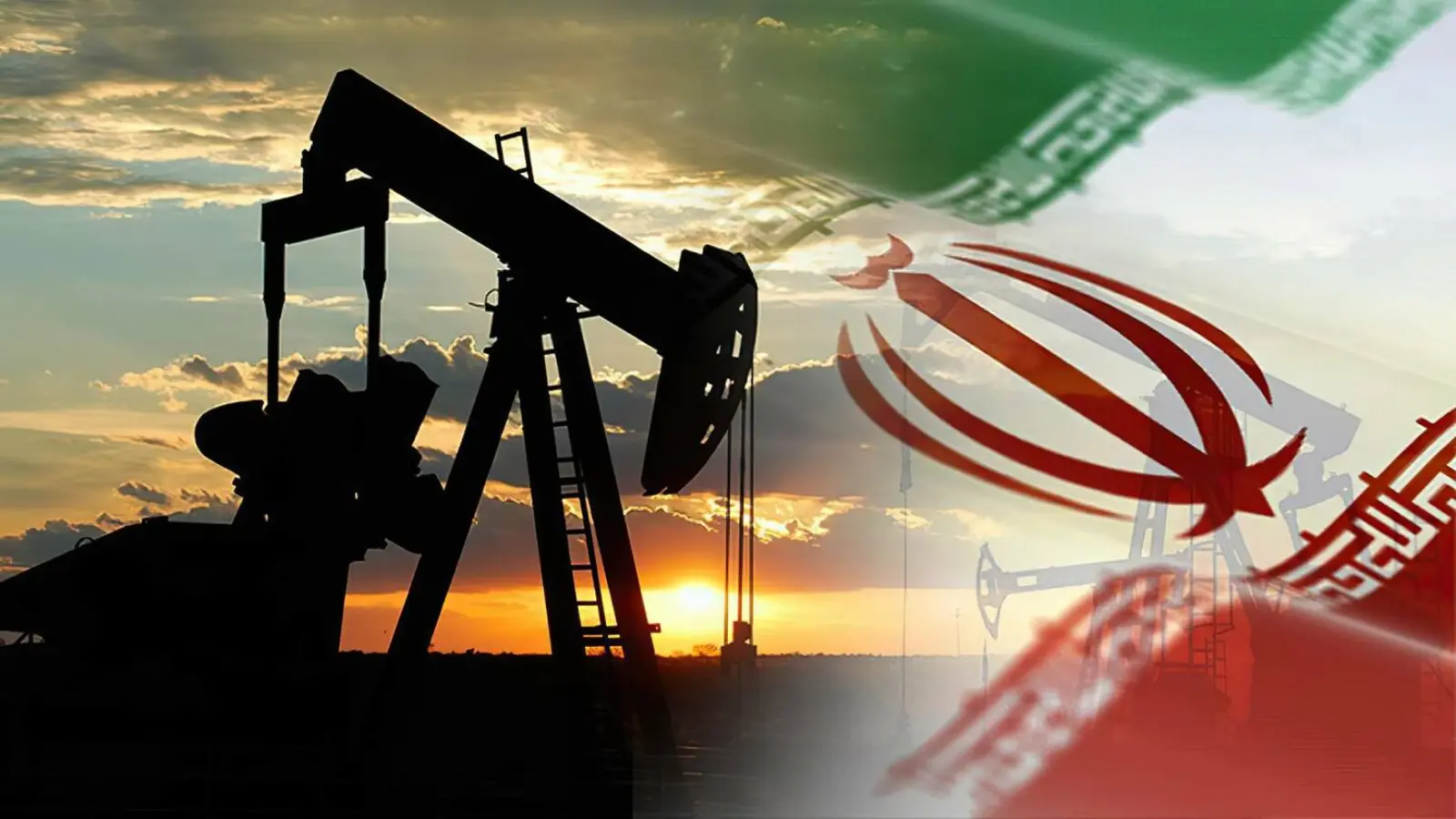
Due to escalating military clashes in the Middle East and the difficult situation in the Strait of Hormuz, the global energy market is experiencing a serious crisis. This was reported by Zamin.uz.
At a time when oil prices have reached record levels, the US government took an unexpected step that sparked much debate. We need to analyze these events and their future consequences more deeply.
On March 20 of this year, the US Department of the Treasury temporarily eased restrictions on the export of Iranian oil and fuel products. This decision is intended for a thirty-day period and applies only to shipments that have already been dispatched or are in transit as of now.
The process of concluding new contracts remains fully prohibited. US Treasury Secretary Scott Bessent explained that this measure was taken to address the shortage in the global market.
According to the plan, the additional influx of one hundred and forty million barrels of oil into the market is expected to lower the prices that have surged due to the closure of the Strait of Hormuz. The strategic goal of the US is to reduce prices by releasing Iranian oil into the market and thereby decrease Tehran's main source of income.
However, experts and analysts sharply criticize this decision. Some specialists believe that this move could provide the Iranian regime with additional means to finance its military actions.
Moreover, many scholars doubt that one hundred and forty million barrels of oil can fundamentally change global prices. The Iranian side called the US decision a false hope given to buyers and emphasized that there is no excess raw material left in the country for immediate market release.
Currently, the situation in the Middle East is very tense, and the Strait of Hormuz, through which twenty percent of the world’s oil exports pass, is almost blocked. Do you think this new US move regarding Iranian oil can really help lower gasoline and fuel prices?