


Kazakhstan is holding a historic referendum on the new Constitution
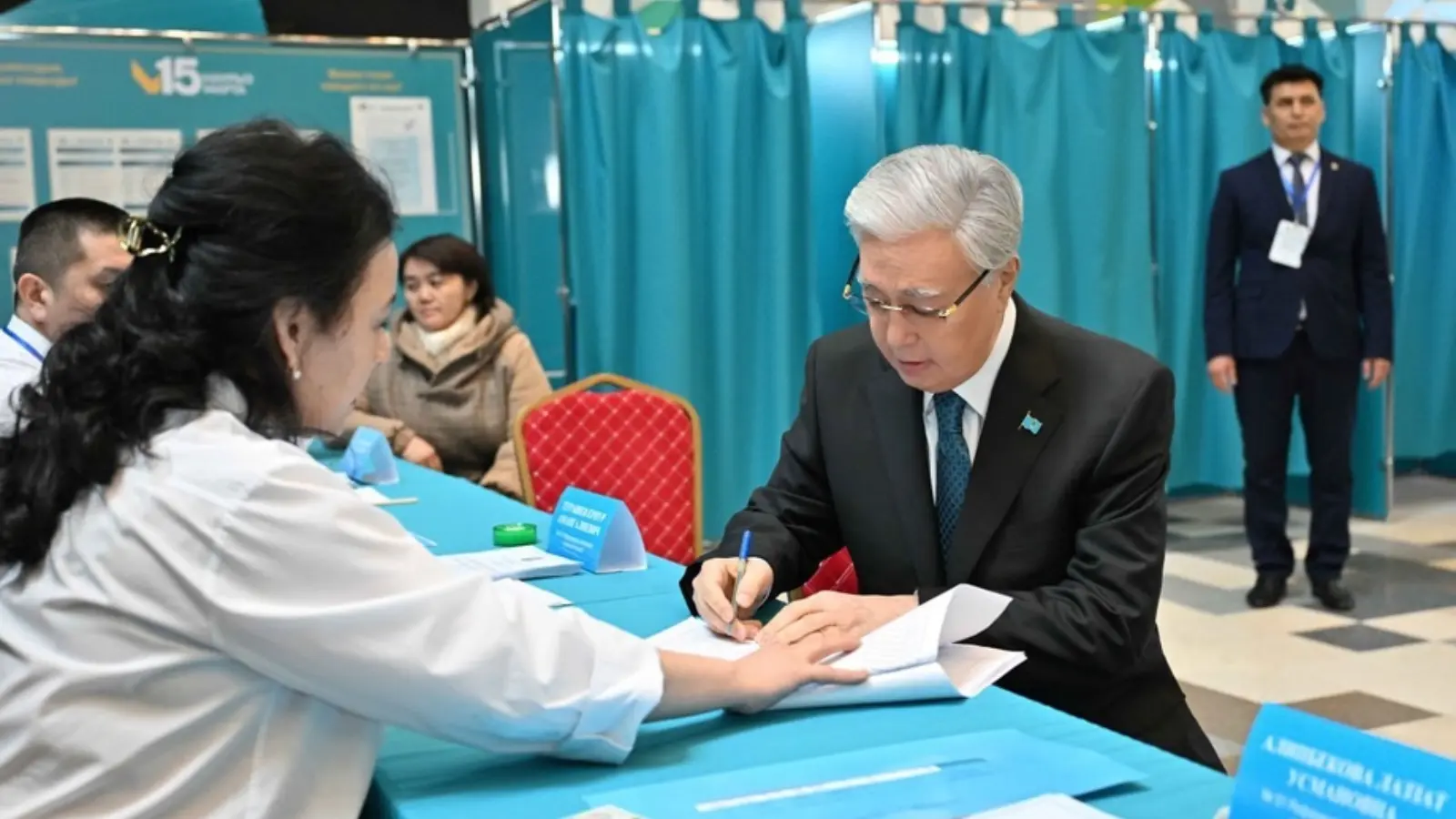
A very important and historic turning point has come in Kazakhstan's political history. This was reported by Zamin.uz.
The nationwide voting process on the new Basic Law project that will determine the country's future direction is in full swing. Today, for the fifteenth time, Kazakhstani citizens are voting to approve the new Constitution project proposed by President Kassym-Jomart Tokayev.
Active participation of the population is observed at thousands of polling stations opened across the country and in foreign countries. A total of more than twelve and a half million citizens have the right to vote, and the referendum results are of decisive importance for the country's future.
The newly edited document introduces major changes to the political system. One of the main innovations is the introduction of a unicameral Kurultai system instead of the two-chamber parliament.
This new legislative body will consist of one hundred and forty members and will be formed based entirely on a proportional election system. At the same time, the powers of the head of state have been expanded.
The President will now be able to appoint the Prosecutor General, the Chairman of the National Bank, and the heads of the Supreme Court by his own decision without the consent of the parliament. In addition, a new position similar to a vice-president is being created.
This person will be the first in line if the head of state is unable to perform his duties. If the Kurultai repeatedly rejects the candidates proposed by the president, it will be dissolved, and the president will gain the right to issue decrees with the force of law.
The new constitution also establishes a consultative body called the People's Council. This body will consist of seventy members and will have the authority to initiate legislation.
Furthermore, the principle that international treaties have priority over national laws will be abolished. Officials evaluate this as strengthening national sovereignty, while critics are concerned that international oversight of human rights may weaken.
In conclusion, how such drastic changes will affect regional stability and whether the unicameral system will work effectively will be shown by the future.