


Dmitriy Peskov revealed the conditions for stopping the armed conflict in Ukraine
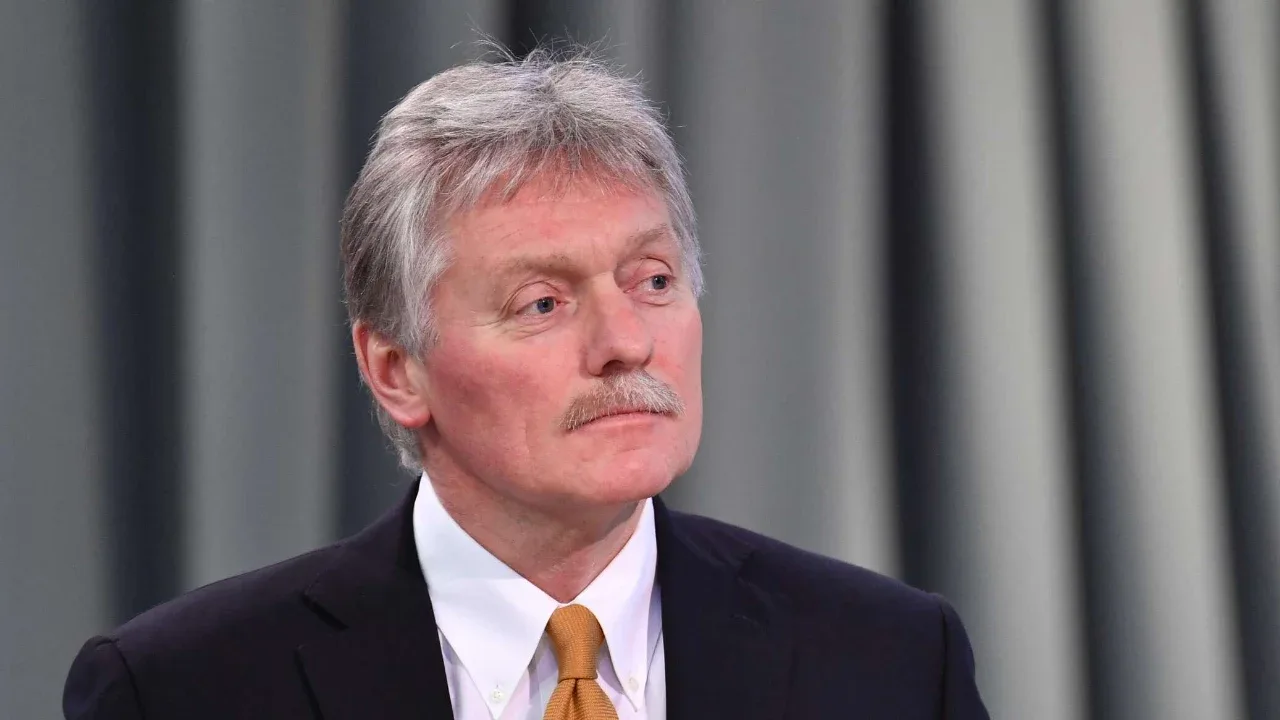
Dmitry Peskov, press secretary to the President of Russia, gave an extensive interview to Die Weltwoche, one of Switzerland’s influential publication, as reported by Zamin.uzbekistan’s influential publications, as reported by Zamin.uz.
During the interview, the Kremlin representative outlined the conditions for ending the armed conflict in Ukraine. He also shared his views on Russia–United States relations, the threat of nuclear war worrying the international community, and the future structure of European security.
The interview sparked significant resonance on the international stage. According to Dmitry Peskov, the situation in Ukraine could be resolved very quickly—possibly even within a single day.
For this, only political will and a firm decision from the Kyiv leadership are required. According to the Kremlin representative, Ukrainian President Vladimir Zelensky must withdraw his forces from territories that have become part of Russia and accept the reality on the ground.
Only then would military operations cease immediately. Peskov reminded that Zelensky had promised peace to the people during his election campaign and still has the opportunity to fulfill this responsibility.
On global political matters, Peskov acknowledged that Russia–U.S. relations are currently at their lowest point. Nevertheless, he noted that both sides are maintaining sufficient attention to dialogue channels without completely closing them off.
Donald Trump’s intention to resolve problems through dialogue is viewed positively in Moscow. On the issue of nuclear weapons use, the Kremlin representative stated a clear position.
According to him, there is currently no need to use such weapons. Russia would resort to this extreme measure only if a direct threat to its state sovereignty and existence emerged.
The involvement of Western countries in the situation has also come under sharp criticism. In Peskov’s view, European states are not merely providing aid to Ukraine—they have become active participants in the process through intelligence sharing and arms deliveries.
He described the European Union’s attempt to defeat Russia militarily as the greatest mistake in history. Russia does not seek to threaten Europe, but stressed that its national interests must be taken into account.
It was forecast that returning to the negotiating table to create a new security system and the emergence of a new generation of politicians on the scene would be necessary for building a future security architecture.