



President signed a new law on limited liability companies
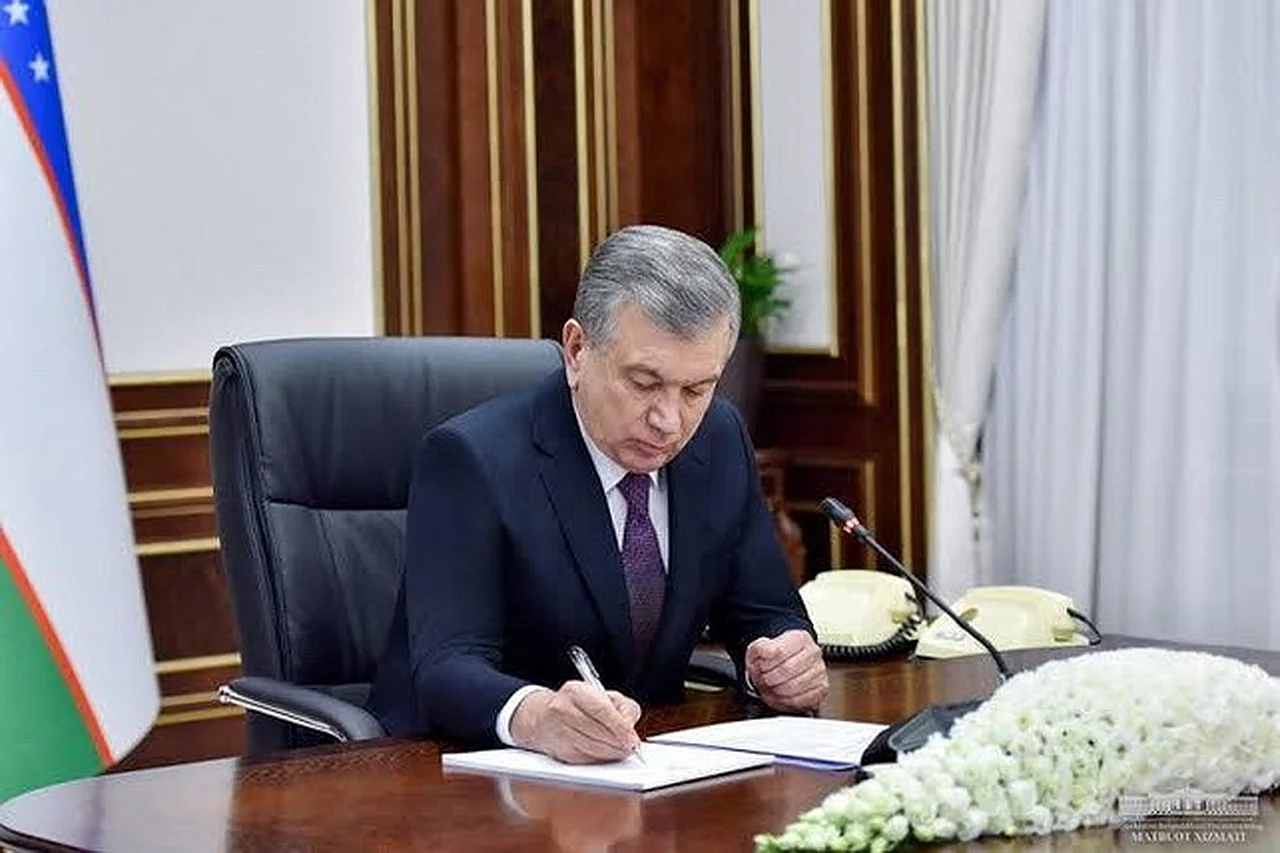
President of the Republic of Uzbekistan Shavkat Mirziyoyev has signed a new edition of the law on limited liability companies. Zamin.uz reported this.
This document, prepared by the Ministry of Justice, serves to introduce modern standards of corporate governance in the country and eliminate legal gaps in regulating the activities of such companies. Additionally, the new law aims to further strengthen the rights of company participants.
The document, consisting of 71 articles in total, will enter into force three months after its official publication. During the development of the draft law, opinions of local and foreign experts, public suggestions, and international practices were extensively taken into account.
The new law clearly defines the powers of the company's supervisory board and the procedure for electing its members. This measure will help prevent corporate disputes.
Furthermore, an opportunity has been created for the supervisory board to make decisions remotely without holding meetings. For the first time, the document establishes special obligations for members of the supervisory board and executive bodies, which fully aligns with international corporate governance practices.
The legal foundations for the activities of companies have been further expanded. Now they will be able to operate not only within licenses but also within other permitting and notification procedures.
Issues regarding the organization of branches, representative offices, and subsidiaries are separately regulated. The law establishes mechanisms for removing participants who have not contributed their share to the charter capital or who are obstructing the company's activities.
Additionally, an opportunity was created to impose restrictions on changing the charter fund during court disputes over shares between participants. Provisions for accounting for shares through the Central Securities Depository, establishing a committee of minority participants, and improving rules regarding audits and transactions with interested parties are envisaged.
The law in its new edition is aimed at improving the investment climate, attracting foreign investments, and forming a transparent and stable corporate environment in the country.