


Trump called on Iran for swift negotiations
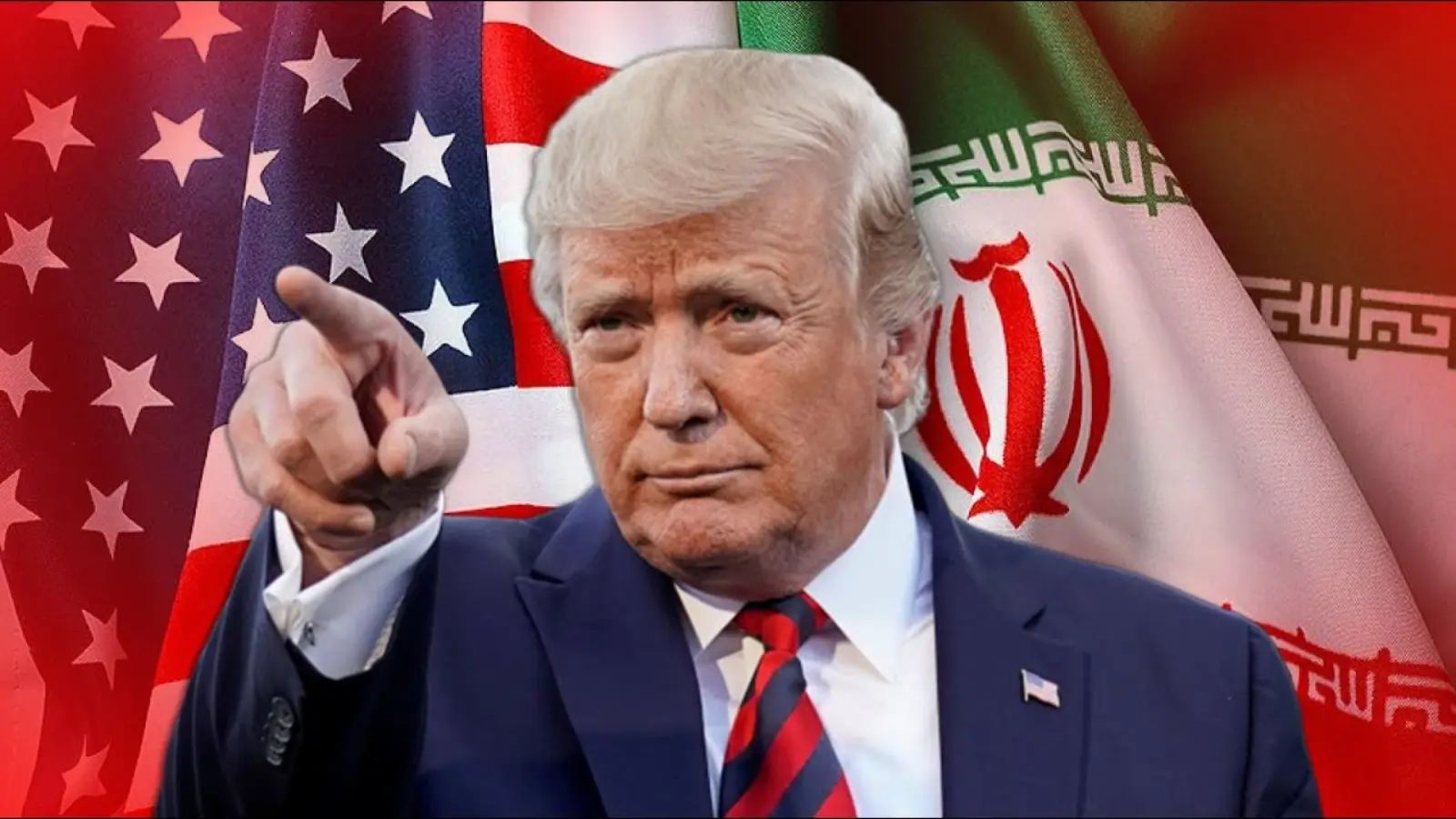
US President Donald Trump called on Iran to join negotiations on its nuclear program more quickly, emphasizing that time is limited. This was reported by Zamin.uz.
This statement was made amid an increase in US military forces in the Persian Gulf region. In his social media post, Trump said that the US military is acting with great strength and determination, and that Iran must promptly take a seat at the negotiating table.
He proposed a fair and equal agreement, highlighting as a key condition Iran’s renunciation of nuclear weapons. Iran, for its part, has repeatedly denied any intention to develop nuclear weapons, promoting its peaceful objectives.
Iranian Foreign Minister Abbas Araqchi emphasized that negotiations cannot be effective under military threats. He stated that Iran is ready for dialogue based on realistic and clear conditions, and that threats and unreasonable demands are obstacles in the negotiations.
Trump compared the military forces in the Persian Gulf to troops mobilized for the Venezuela issue. He added that the current military strength is larger than previous operations and that he is ready to use force if necessary.
The root of this situation goes back to the 2015 Iran nuclear agreement. This agreement was signed between Iran and leading world powers, with the main goal of ensuring that Iran’s nuclear program is solely for peaceful purposes.
However, in 2018, the US withdrew from the agreement, reinstating economic sanctions against Tehran, citing insufficient consideration of Iran’s missile program and regional influence. Although the agreement officially still exists, it is not fully operational.
While negotiations continue, their outcomes have been mixed. A complicating factor is the potential for military confrontation between the US and Iran.
The military actions in 2025 and the subsequent strikes have intensified the situation in the region. The conclusion is that as both sides increase pressure on each other, even a small mistake could lead to a major crisis.
Negotiations based on transparent and clear rules could ensure regional security; otherwise, every statement may cause new tensions. Whether diplomacy will prevail or a new conflict will begin in the coming months remains a critical question.