



Scientists have learned to grow chickpeas in Moon soil
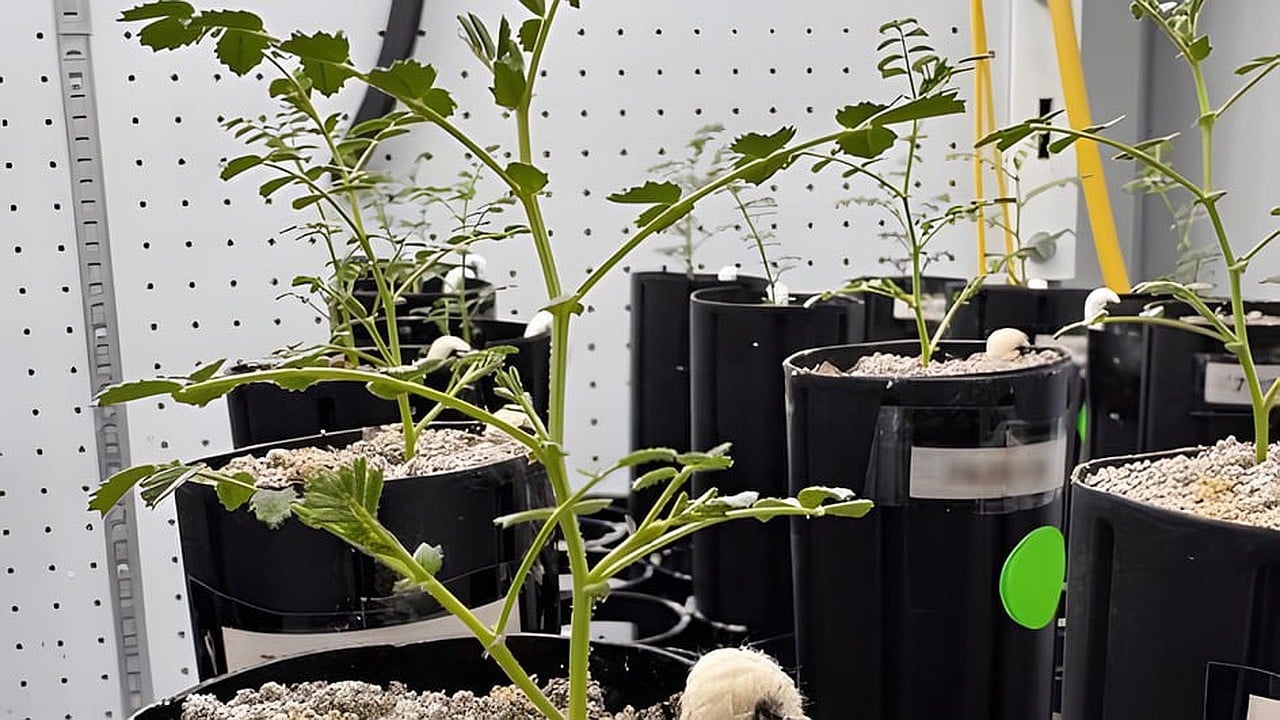
American scientists have succeeded for the first time in growing chickpeas in an artificial environment similar to lunar soil. This was reported by Zamin.uz.
The results of this experiment conducted by researchers from Texas and A&M universities were published in the journal Scientific Reports. This discovery is considered an important step in organizing food supply for astronauts in future space missions.
It is known that lunar soil differs significantly from Earth soil. It lacks the necessary organic matter and beneficial microorganisms for plant growth.
Moreover, the heavy metals contained in it are toxic to plants. To address these problems, the researchers applied a complex method.
They added vermicompost prepared with the help of earthworms to the artificial regolith. Additionally, the chickpea seeds were treated with special mycorrhizal fungi before planting.
These fungi help the plant absorb nutrients and prevent the uptake of harmful metals. As a result of the experiment, it was found that a mixture containing up to 75 percent lunar soil is the most optimal medium for chickpea growth.
Under these conditions, the plants fully matured and produced a yield. However, the scientists believe that the research is not yet complete.
According to the lead researcher Jessica Atkin, the safety and nutritional value of the harvested crop for human health now need to be thoroughly studied. Scientists must determine that no toxic metals have accumulated in the chickpeas and that they are beneficial for astronauts.