


Lebanon and Iran launched an unprecedented missile strike on Israel
The situation in the Middle East region has reached a critically dangerous level. This was reported by Zamin.uz.
The evening of March 6 turned into a true test day for Israeli cities. Unprecedented missile strikes launched by the Hezbollah movement in Lebanon and Iran have brought the entire region to the brink of irreversible processes.
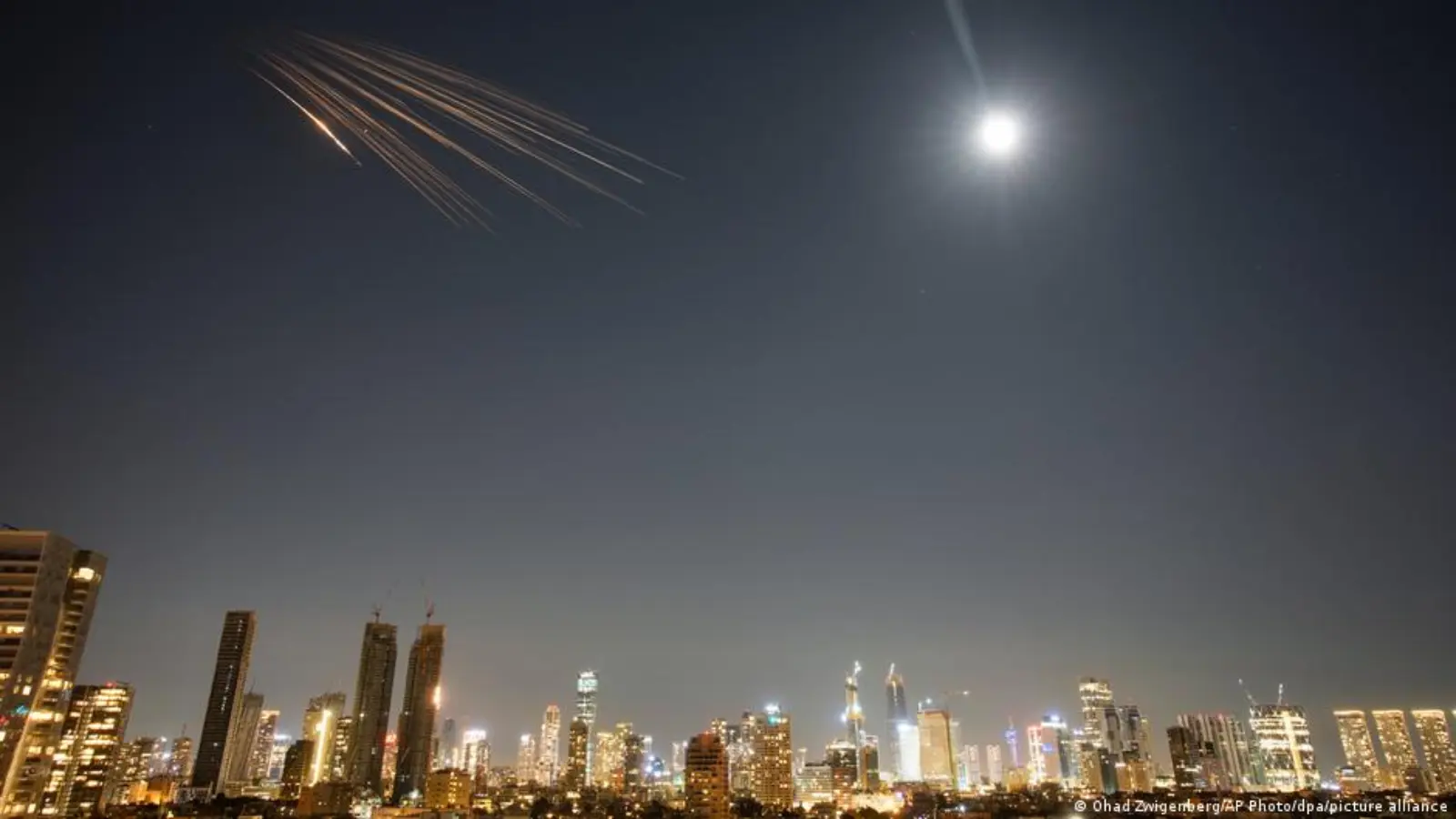
On Thursday evening around 7:10, air raid sirens did not cease in the northern and central regions of Israel. Nearly 150 missiles fired by the Hezbollah group covered the sky over Haifa and its surroundings.
According to data from the Israel Defense Forces, most of the attacks were successfully repelled. However, the Lebanese group described these strikes as part of an integrated operation.
The attacks targeted military facilities and populated areas up to five kilometers inside the border region. Ballistic missiles were also launched from Iran, with the Israeli side reporting that all of these projectiles were intercepted.
Initial reports indicate that at least two civilians sustained injuries. The trigger for this escalation was the Epic Wrath operation conducted by the United States and Israel against Iran on February 28.
At that time, the Supreme Leader of the Islamic Republic, Ali Khamenei, and other high-ranking officials were killed. The current attacks are the response from Tehran and its allies to those losses.
The Israeli side, in turn, destroyed ten headquarters in Beirut. The humanitarian crisis has intensified, with more than half of the Lebanese population fleeing northward.
The Israeli army expanded its ground operations in southern Lebanon. The position of the Lebanese government also underwent an unexpected change.
Against the backdrop of bloody clashes, Lebanese Prime Minister Nawaf Salam issued a sharp statement. He announced that the activities of the Hezbollah movement must be banned within the country's territory and its members disarmed.
This indicates significant changes in Lebanon's domestic politics as well. Shipping through the Strait of Hormuz has nearly come to a halt.
The sharp rise in global oil and gas prices dealt another blow to the world economy. Currently, the situation remains dangerous in northern Israel and around Tel Aviv.
The fact that both sides are preparing for new strikes shows that the flames of war in the region have not yet been extinguished. Do you think this chain reaction in the Middle East could turn into a global war?
Will the Lebanese government's demand to disarm Hezbollah be implemented