



The US Achieved Success in Weakening Iran's Military Forces
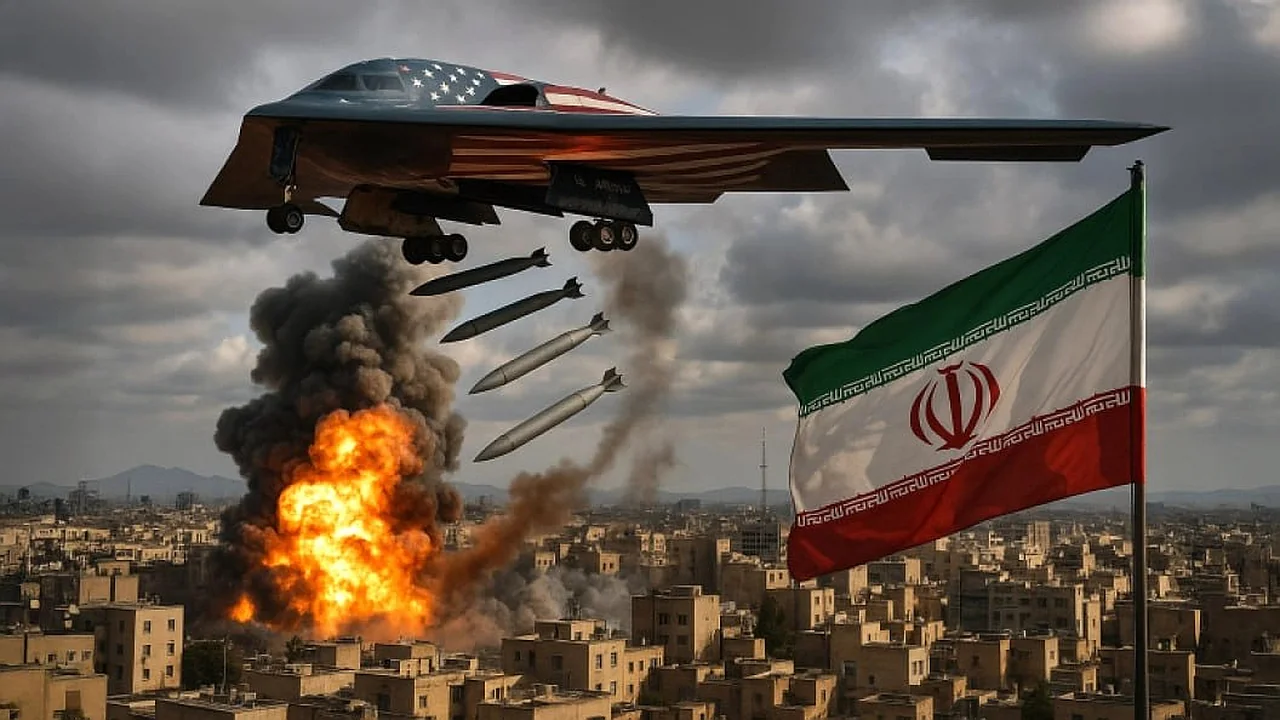
According to data from US Central Command Admiral Brad Cooper, since the beginning of the war, American forces have struck more than 8,000 targets in Iran. Zamin.uz reported on this.
He announced this figure on March 21, as the conflict entered its fourth week, describing the campaign as a broad operation aimed at weakening Tehran's military capabilities. During a brief operational update held on Saturday, Cooper stated that Iran's combat power had significantly diminished.
According to him, Tehran has lost 130 ships and its naval forces are no longer operating effectively. The Admiral also emphasized that Iran's tactical fighter jets are not flying regularly, and missile and drone launches have decreased compared to the start of the war.
At the same time, significant questions remain regarding Washington's broader objectives within the scope of the conflict. The New York Times wrote that despite the scale of US bombings, it remains unclear what the campaign ultimately aims to achieve.
As the number of strikes increases and fighting extends for another week, this uncertainty grows. Cooper also stated that two days ago, American forces carried out the longest-range artillery strikes in history using precisely guided missiles.
In his view, the attack destroyed Iran's military infrastructure and demonstrated a comprehensive and powerful strike by US armed forces. However, he did not provide information on the exact distance or targets struck.
Despite the damage described by US officials, according to The New York Times, Iran continues to launch missiles and drones against Israel and some American partners in the region. The report also noted that Tehran has not lost its ability to affect ships moving through the Strait of Hormuz, meaning its capacity to influence regional security remains intact.
Recent statements indicate that despite dealing a serious blow to Iranian military forces, the war has not yet ended. Iran appears to be retaining its ability to continue retaliatory strikes and exert pressure on key sea lanes.
This intensifies doubts about how quickly and effectively the current campaign will yield results.