



Due to the war, Gulf states are facing an economic crisis
Developing countries in Asia, Africa, and the Middle East are currently facing serious economic difficulties. Zamin.uz reported on this matter.
The main cause of this situation is the damage inflicted on oil and gas facilities in the Persian Gulf due to the war involving the United States, Israel, and Iran. The disruption of supply routes has led to a sharp increase in energy prices.
This situation has become a serious threat, especially for countries heavily reliant on imported fuel and with limited budgets. Countries such as Pakistan, Bangladesh, and Sri Lanka have suffered the most severe impact.
Pakistan has been forced to temporarily close many schools due to dwindling oil reserves. The government took measures to shorten the work week and reduce fuel consumption by civil servants.
In Bangladesh, a decision was made to regulate fuel distribution, although some gas stations are still observed to be empty. In Sri Lanka, the government declared weekly days off to save fuel and introduced a rationing system for the population.
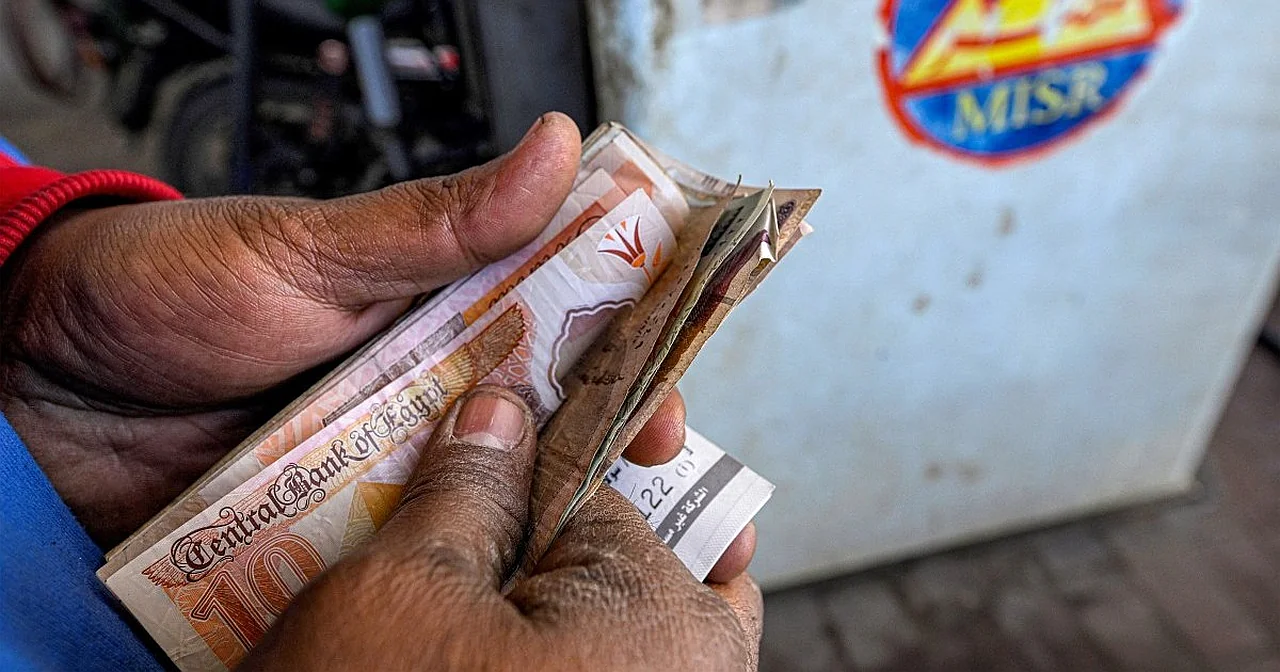
Egypt, one of the region's largest energy importers, was not spared from this pressure either. To manage the situation, the government ordered shopping malls, shops, and cafes to close earlier.
The operating hours of streetlights were reduced. Additionally, prices for gasoline, diesel, and household gas were raised by fifteen to twenty-two percent.
President Abdel Fattah el-Sisi emphasized that these measures are necessary to prevent even greater economic damage. Analysts warn that if the conflict continues, many developing economies will face faster inflation, currency devaluation, and increased pressure on public finances.
For countries already in a difficult situation due to debt, the energy crisis is bringing the risk of slowing down economic activity. As a result, living costs are expected to become even heavier for millions of ordinary citizens.