War Between Iran and Israel Sharply Increases Oil Prices
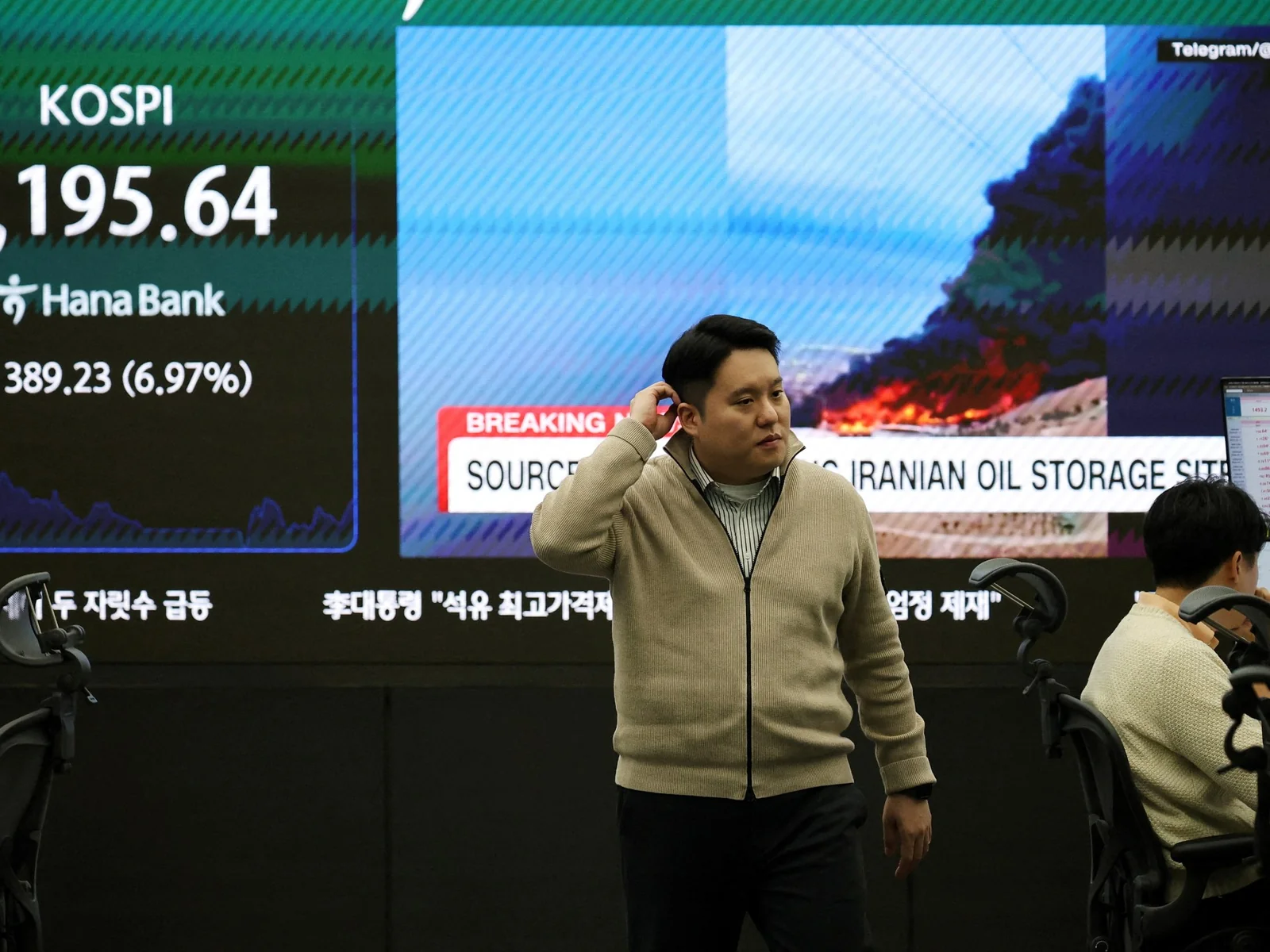
The combat actions involving the United States, Israel, and Iran are causing deep shocks in the global economy. This was reported by Zamin.uz.
In this process, the energy sector is taking the clearest hit. The attacks that began on February 28 disrupted trade turnover along the Persian Gulf and intensified concerns about a global economic slowdown.
The biggest problem is occurring in the Strait of Hormuz. Nearly one-fifth of the world's oil and gas passes through this narrow waterway.
The reduction in ship traffic here and attacks on infrastructure directly affected oil prices. The price of Brent crude oil reached $106 per barrel, rising nearly 40 percent from the level before the conflict began.
Prices for liquefied natural gas rose even more sharply, recording an increase of nearly 60 percent. On March 2, QatarEnergy temporarily halted liquefied gas production after being attacked by Iranian drones.
Since Qatar is one of the leading exporters supplying more than half of the global market, this incident posed a serious threat to Asian countries. Countries like China, India, Japan, and South Korea are now forced to seek new suppliers, and the price increases are a heavy burden on their economies.
The rise in fuel prices is now spreading to all national economies. According to data from the international organization Global Petrol Prices, gasoline prices have increased in at least 85 countries worldwide since February 28.
Economists warn that if the conflict continues for several months, oil prices could rise even more sharply. This could lead to a slowdown in economic growth and even the risk of recession in countries dependent on imports.