


Russia Asked the US to Suspend Intelligence Assistance to Ukraine
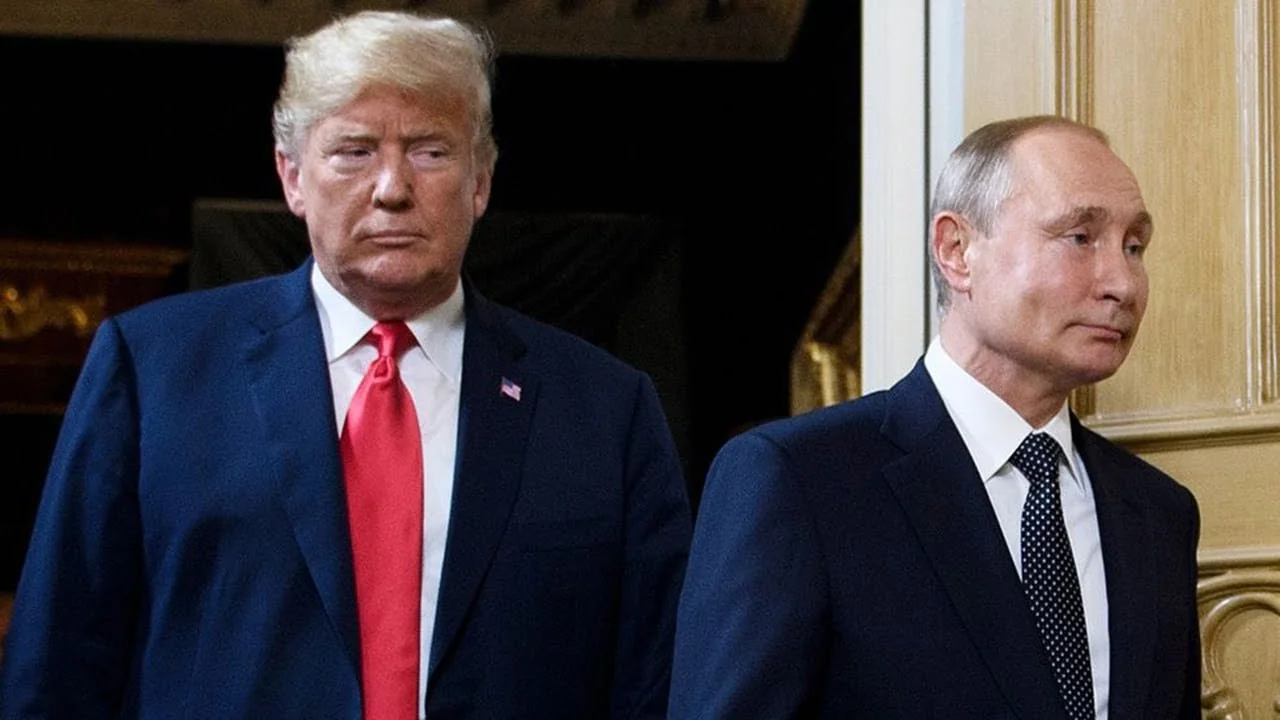
The Russian government has sent a strange and unexpected proposal to the United States in the field of foreign policy, linking the situation in Ukraine with Iran. This was reported by Zamin.uz.
According to sources familiar with the negotiations, Moscow officials asked Washington to stop intelligence aid provided to Kyiv. If the US agrees to this demand, Russia in turn promised to stop exchanging intelligence information with Iran.
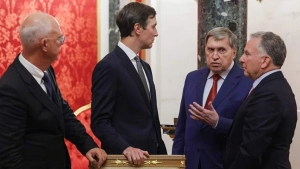
This proposal was delivered by Russian Ambassador Kirill Dmitriev to close associates around the US president, including Steve Vitkof and Jared Kushner himself. However, American officials rejected this proposal and have not yet given an official public comment on this dialogue.
European diplomats are seriously concerned about this event, as they consider it not a simple tactical trade but a major plan serving a strategic goal. In their opinion, the Kremlin is trying to sow discord between the US and its European allies by exploiting sensitive security issues.
The goal is to weaken the unity among Western countries regarding problems in Ukraine and the Middle East. This event occurs against the backdrop of growing military cooperation between Russia and Iran.
According to reports, Moscow has supplied Tehran with satellite images and drone technologies, although the Kremlin denies these accusations, Western countries are closely monitoring these connections. Although some types of aid to Ukraine have decreased, the US continues to share intelligence information with Kyiv.
This channel is the most important tool for Ukraine to monitor threats on the battlefield and make correct decisions. Cutting off this connection could lead to major strategic consequences.
Sources also add that Russia has put forward other proposals, including an idea involving transferring Iran’s enriched uranium to Russian territory. Although these proposals were also rejected by the US, unconfirmed reports indicate that the interconnections are increasing.
The link between the war, tensions around Iran, and global competition is becoming increasingly clear.